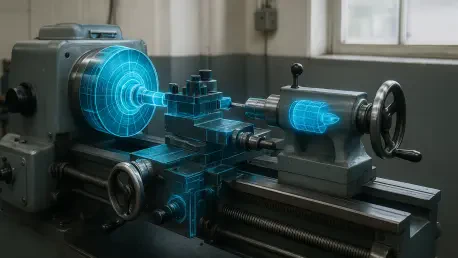
The Department of Defense faces a difficult 'catch-22' where securing data might simultaneously shrink the number of available suppliers in the national network. In the industrial heart of Connecticut, where aerospace and defense contracts sustain thousands of families, the rollout of the
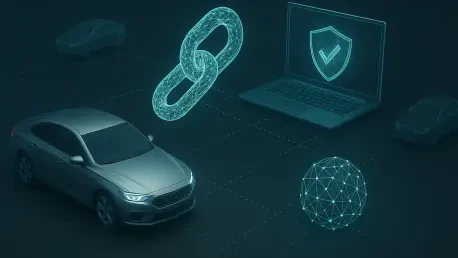
Traditional centralized cloud processing architectures struggle to meet the strict latency requirements of modern vehicular networks, necessitating a shift toward localized edge computing solutions. The Internet of Vehicles (IoV) represents a transformative leap in the evolution of the Internet of

The partnership utilizes Apple’s HomeView and HomePod systems to provide real-time chimes and visual feedback whenever someone approaches the front door. This integration signals a fundamental transformation in the residential landscape, moving away from fragmented gadgets toward a cohesive,

Direct internet exposure of temperature controllers has transformed mandatory regulatory compliance tools into viable entry points for industrial saboteurs. This reality became painfully clear across France when supermarket refrigeration systems fell victim to a series of coordinated digital

Advanced decision-making software and AI-assisted piloting are among the core technologies being refined by the multinational team based in Italy. The recent inauguration of the Edgewing headquarters in Turin represents a defining moment for European aerospace, shifting the gravity of military

Existing frameworks for telematics and electronic logbooks provide a foundation for managing the more complex Internet of Things environment found in modern cars. The contemporary automotive landscape is undergoing a fundamental shift, transitioning from purely mechanical transport assets to the
1 2 3 4 5 6 7 8 9 10 11 12 13 14 15 16 17 18 19 20 21 22 23 24 25 26 27 28 29 30 31 32 33 34 35 36 37 38