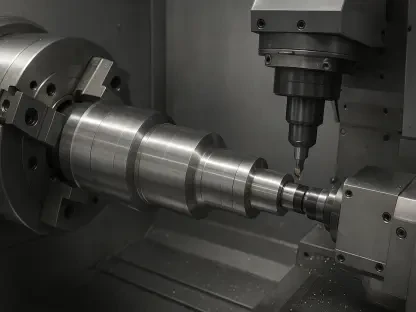
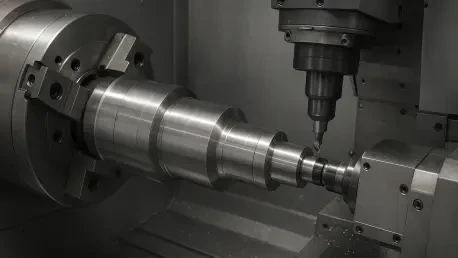
Safety during high-speed turning is managed through a specialized enclosure featuring laminated safety glass and a reinforced cabin top designed for operator protection. This strategic launch of the C 22 MT by HERMLE AG marks a definitive pivot in the landscape of high-precision manufacturing,
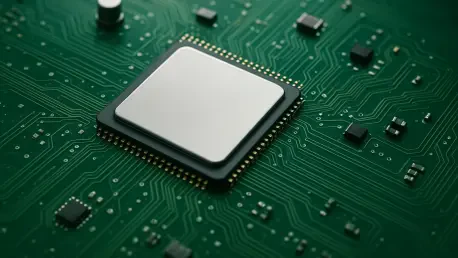
The transition toward smart ultrasound probes and advanced diagnostics is driving a need for specialized chips that handle massive data throughput with minimal heat. This requirement has fundamentally altered the landscape of medical semiconductor development, as generic off-the-shelf components

Building a semiconductor industry is a marathon that requires Vietnam to move beyond the current hype of tech cycles and focus on long-term foundational growth. The nation stands at a defining historical juncture, pivoting from low-cost electronics assembly toward a sophisticated role in the global

Industry experts increasingly view the traditional procurement model based on unit-price comparison as obsolete for high-value semiconductor manufacturing environments. The current push to revitalize the American semiconductor industry has resulted in multi-billion-dollar investments in sprawling

ASML’s specialized output is no longer finding a home in Europe, where state-funded grants are primarily fueling the production of older semiconductor generations. This startling shift represents a total collapse of the domestic market for the world’s most advanced lithography systems, as the Dutch

The conductivity of gallium-based liquid metal remains nearly constant during deformation because the fluid flows to accommodate new shapes without losing cross-sectional area. This fundamental property of liquid metals has paved the way for a transformative shift in how medical professionals
1 2 3 4 5 6 7 8 9 10 11 12 13 14 15 16 17 18 19 20 21 22 23 24