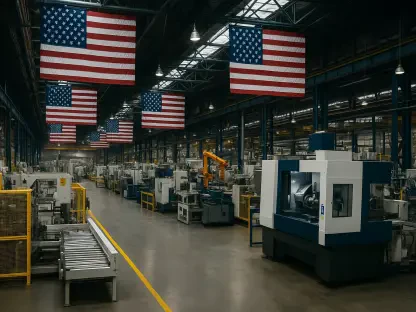
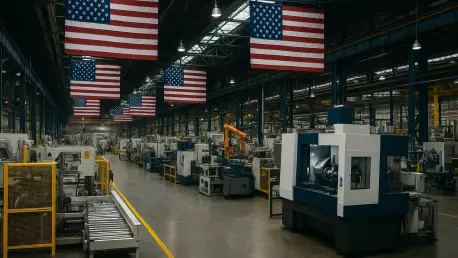
Specific tax provisions allowing for the immediate deduction of capital expenditures have prompted small-scale manufacturers like Munson Boats to resume stalled expansion projects. Building on this individual success, the White House Council of Economic Advisers (CEA) recently released its

The establishment of a dedicated battery assembly line in Valladolid aims to localize the electric vehicle supply chain and reduce logistical costs across the Iberian Peninsula. This development is a pivotal component of Renault’s €600 million investment strategy, which is currently transforming

The company is preparing to test a radical open-fan engine architecture on an A380 testbed as a leading propulsion contender for its future single-aisle aircraft program. This strategic move marks the beginning of a comprehensive effort to develop a successor to the A320 family, with an entry into
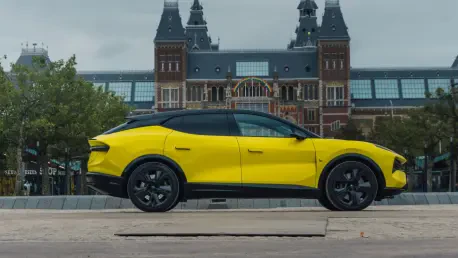
International markets now contribute 25% of XPeng's first-half revenue, with the average selling price of these exported units exceeding the €40,000 threshold. This financial milestone highlights a fundamental shift for the automotive manufacturer as it transitions from a traditional export-heavy
Through partnerships with over 20 commercial banks, the manufacturer has modernized the regional sales landscape by offering zero-interest financing and flexible down payments. This financial strategy acted as a catalyst for a deeper industrial shift, transforming Uzbekistan into a central hub for
Toyota, Honda, Mazda, Suzuki, and Mitsubishi are collaborating on non-competitive manufacturing areas to build a more resilient domestic supply chain against Chinese automotive expansion. This unprecedented alliance signals a fundamental shift in the Japanese automotive landscape, where the
1 2 3 4 5 6 7 8 9 10 11 12 13 14 15 16 17 18 19 20 21 22 23 24 25 26 27 28 29 30 31 32 33