
As the global race for electric vehicle dominance enters a new era of localization, the traditional borders of automotive manufacturing are being redrawn to favor emerging economic corridors. The stark contrast between China’s 65 percent surge in vehicle exports and its declining domestic demand

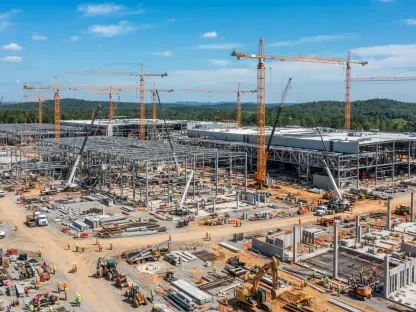
Securing a large-scale automotive project now requires specialized machinery and dedicated production lines that often fail to pay for themselves when vehicle sales fall short of targets. This harsh reality has fundamentally altered the landscape of the Chinese automotive industry, which was once

The upcoming X5 series will implement a power of choice strategy by offering battery-electric, hybrid, combustion, and hydrogen drivetrains. This decision represents a pivotal moment in the industry as manufacturers diversify energy portfolios to meet global demands. By moving beyond a singular
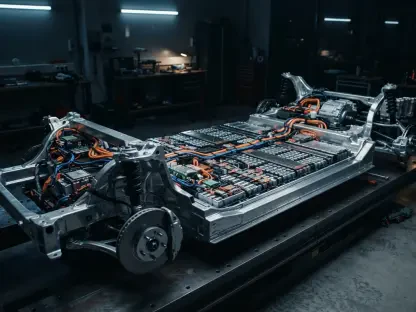
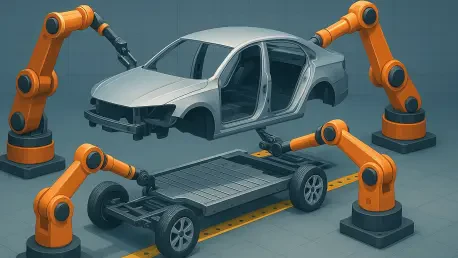
The shift toward using battery packs as structural members of a vehicle chassis makes the instant grab of pressure-sensitive tapes a critical advantage over slow-curing liquid glues. As manufacturers ramp up production from 2026 to 2028, the traditional metrics of adhesive performance are being
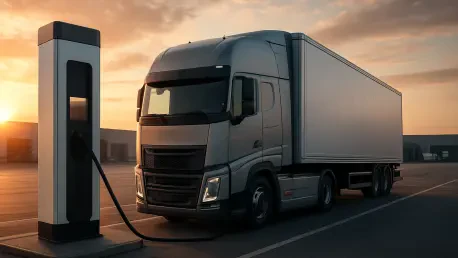
New battery monitoring systems have been implemented across the latest electric fleet to maximize battery health and ensure consistent performance in diverse environments. The global logistics industry is currently witnessing a transformative shift at the Tuve plant in Gothenburg, where series

The exchange of reasoning between intelligent agents represents the next evolution in supply chain management, moving beyond the mere exchange of raw electronic data. In 2026, the automotive sector has decisively pivoted away from general-purpose generative AI tools, recognizing that a $4 trillion