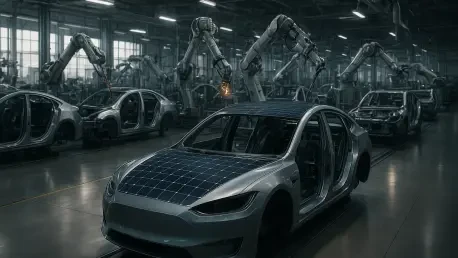

The partnership has already resulted in a significant reduction in the projected bill of materials for the aerodynamic solar electric vehicle program. This collaboration between Aptera and Launch Design represents a pivotal shift in how niche electric vehicle manufacturers approach large-scale industrialization. By leveraging advanced engineering workflows, the team has managed to streamline the complex assembly of composite body panels and integrated solar cells. The focus remains on optimizing the vehicle’s ultra-efficient shape while ensuring that every component can be sourced and installed with minimal overhead. As the automotive industry watches closely, the success of this venture hinges on the ability to move beyond artisanal assembly into a robust, repeatable manufacturing framework. This integration involves sophisticated software modeling and real-time logistics tracking to ensure that the assembly line remains fluid and responsive to the evolving demands of the global market today.
Engineering Efficiency: Supply Chain and Material Strategy
Launch Design’s involvement is not merely aesthetic; it goes deep into the mechanical architecture of the vehicle. They have introduced standardized fasteners and simplified structural nodes that reduce the total number of parts required for the chassis. This reduction directly translates to a lower carbon footprint during the manufacturing phase, aligning with the core environmental values of the solar electric vehicle mission. Engineers have utilized predictive analytics to identify potential bottlenecks in the procurement of specialty carbon fiber and high-efficiency photovoltaic cells. By securing multi-year agreements with Tier 1 suppliers, the partnership ensures a steady flow of materials, which is crucial for maintaining production momentum during the initial rollout. This strategic foresight allows for a more predictable cost structure, shielding the program from the volatility often seen in the rare earth metals and semiconductor markets that frequently disrupt traditional automakers.
Furthermore, the implementation of a digital twin system allows for virtual stress testing of the assembly process before a single physical component is moved. Launch Design has provided the expertise to simulate thousands of manufacturing hours, identifying ergonomic improvements for assembly technicians and optimizing the placement of robotics on the factory floor. This level of preparation is designed to prevent the production hell that has plagued other electric vehicle startups in the past. By refining the interaction between human workers and automated systems, the program achieves a level of precision that ensures long-term vehicle durability. The focus on durability is paramount, as the solar-integrated surfaces must withstand various environmental stressors without losing energy conversion efficiency. This meticulous approach to quality control, fueled by high-fidelity data, sets a new standard for transparency and reliability in the burgeoning field of solar-powered mobility today.
Modular Assembly: Scaling Output for Global Markets
The architecture of the solar EV is built around a modular philosophy that allows for rapid scaling across different regional markets. Launch Design has been instrumental in refining the system where pre-assembled modules like the drivetrain and the interior cabin are joined in a final marriage process. This method drastically reduces the time spent at each workstation, allowing the facility to increase its hourly throughput without requiring a massive expansion of the physical footprint. It also facilitates easier repairs and upgrades, as individual modules can be swapped or serviced with minimal disruption to the rest of the vehicle. This modularity is a key differentiator in an industry where integrated designs often lead to high maintenance costs and manufacturing delays. By prioritizing a design for manufacturing mindset, the engineers have ensured that the vehicle is not just a technological marvel, but a commercially viable product capable of reaching tens of thousands of customers worldwide soon.
In the final analysis, the collaboration between these two entities established a new benchmark for how solar mobility could transition from a concept to a mass-market reality. The decision to integrate Launch Design into the earliest stages of production planning proved to be a decisive factor in overcoming the traditional barriers of high-cost low-volume manufacturing. To maintain this momentum, the next logical step involved the expansion of automated micro-factories that could be deployed closer to end-users, thereby reducing the environmental impact of logistics. This decentralized approach served as a practical solution for scaling up without the massive capital expenditures typically associated with traditional automotive plants. By prioritizing continuous data feedback from the early production units, the partnership also created a blueprint for real-time hardware iterations, ensuring that future solar vehicles remained at the cutting edge of energy efficiency and performance.