
Mexican suppliers are being urged to match the automaker’s heavy investment in innovation as the regional industry shifts toward electric and hybrid vehicle technologies. This directive forms the basis of a broader manufacturing overhaul intended to cement Mexico as the primary engine of growth for Stellantis in the North American region. The 2026 Mexico Supplier Town Hall represented the first major in-person gathering of this magnitude in three years, signaling a definitive return to face-to-face strategic planning. By bringing together 300 key executives from 180 diverse supplier organizations, the company established a clear roadmap for the remainder of the decade. The focus has moved beyond simple parts procurement toward a deep, technical integration that supports an increasingly complex product lineup. As consumer preferences shift toward high-performance pickups and versatile SUVs, the company is demanding that its partners evolve into proactive innovators who can anticipate the needs of a rapidly changing market.
Advancing Quality and Technical Synergy: The New Standard
A central pillar of this updated strategy involves implementing a much more rigorous framework for quality control across all domestic operations. Stellantis is pushing its Mexican suppliers to adopt global export standards that go far beyond basic local requirements, ensuring that every component produced in the region can compete on the world stage. This shift necessitates a move away from the traditional, transactional vendor-client dynamic toward a model defined by long-term, high-stakes partnerships. To support this evolution, the automaker is encouraging significant capital investment from its partners in next-generation manufacturing tools and digital monitoring systems. By fostering an environment where innovation is shared rather than siloed, the company aims to build a more resilient production ecosystem. This collaborative approach ensures that the manufacturing line remains fluid, even as the technical complexity of individual components increases with the rise of hybrid drivetrains.
To facilitate these elevated standards, Stellantis is deploying a suite of direct communication mechanisms designed to provide real-time feedback between the factory floor and the supplier base. This emphasis on manufacturing agility is crucial for navigating the inherent volatility of modern global markets and fluctuating production volumes. By establishing a culture of strategic transparency, the company helps its partners anticipate potential bottlenecks before they disrupt the assembly process. This level of synchronization is essential for the seamless integration of sophisticated vehicle platforms that require high-precision engineering. The goal is to transform the entire Mexican supply chain into a high-tech industrial network capable of rapid adaptation. As a result, suppliers are no longer viewed as external entities but as integral components of a unified corporate strategy. This operational synergy provides a competitive advantage that allows the company to respond to industry disruptions with unparalleled speed and efficiency.
Leveraging Commercial Success: Record Gains and Brand Strategy
The current push for supplier realignment is largely driven by a remarkable period of commercial success in the domestic market. During the second quarter of 2026, the company achieved a historic milestone by selling over 24,000 units, representing a 19% increase compared to the same period in the previous year. This performance is part of a sustained nine-month upward trajectory that has redefined the brand’s standing in Mexico. A significant portion of this growth can be attributed to the RAM brand, which saw a 30% surge in sales due to the overwhelming popularity of its light and medium commercial vehicle segments. The RAM 1200 and RAM 700 have become essential tools for local businesses and individual consumers alike, creating a high-volume demand that requires a robust and responsive manufacturing foundation. Maintaining this virtuous cycle of high demand and industrial reinvestment is a top priority for the executive leadership team as they look to secure long-term market dominance.
In addition to strengthening its core internal combustion lineup, the automaker is aggressively expanding its presence in the electrified mobility sector. The introduction of the Leapmotor brand into the Mexican market marks a strategic pivot toward providing affordable, high-tech electric vehicles to a broader demographic. This expansion is complemented by the steady growth of established names like Jeep and Peugeot, which continue to capture market share in the premium and utility segments. Such a diverse portfolio requires a supplier base that is not only specialized but also capable of managing multiple, distinct production requirements simultaneously. By diversifying its offerings, Stellantis is insulating its operations against shifts in specific market niches while simultaneously preparing for a future dominated by low-emission technologies. The integration of Leapmotor into the existing sales network demonstrates a commitment to innovation that challenges the traditional boundaries of the Mexican automotive industry.
Scaling Industrial Capacity: Mexico as a Global Export Hub
Mexico’s importance to the global Stellantis network has evolved significantly, transitioning from a regional assembly hub into a premier export powerhouse. In June 2026, export figures reached unprecedented levels, showing an 82.2% increase compared to the previous year. For the first half of the year, total exports exceeded 210,000 units, a testament to the strategic reallocation of high-volume vehicle programs to Mexican facilities. This surge is not merely a result of increased capacity but a deliberate decision to leverage the country’s skilled workforce and strategic geographical position. By centralizing the production of flagship models in Mexico, the company has streamlined its North American logistics and reduced lead times for critical markets. This expansion has also necessitated a massive scale-up in internal operations, with a workforce that now totals 17,000 employees. These workers operate across eight distinct plants, each specializing in different aspects of the manufacturing process to ensure maximum operational efficiency.
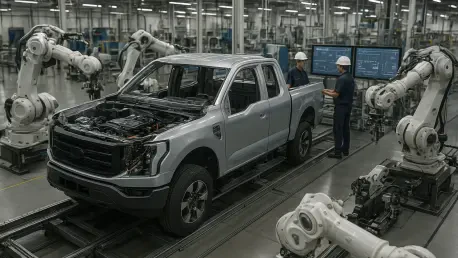
The Saltillo Complex and the Toluca Plant have emerged as the crown jewels of this manufacturing expansion, taking on the responsibility for some of the most technologically advanced models in the corporate lineup. These facilities are now the primary production sites for the RAM 1500, as well as the hybrid Jeep Cherokee and the fully electric Recon SUV. The inclusion of these high-tech models underscores the confidence the company has in the technical readiness of its Mexican industrial network. As more market-sensitive and technologically complex vehicles are integrated into the production line, the pressure on the domestic supply chain to maintain zero-defect quality standards will continue to intensify. The success of the entire North American manufacturing strategy is now inextricably linked to the performance of these plants. By investing in the tools and training necessary to handle these advanced platforms, Stellantis has ensured that its Mexican operations remain at the cutting edge of the global automotive landscape for years to come.
Navigating the Industrial Transition: Future Strategic Imperatives
The transition toward a more integrated and technologically advanced manufacturing model required a fundamental shift in how the company interacted with its regional partners. Executives prioritized the establishment of joint development programs, where supplier engineers worked alongside corporate designers to optimize part performance from the earliest stages of vehicle development. This proactive engagement helped mitigate the risks associated with the adoption of new propulsion systems and complex electronic architectures. Furthermore, the company successfully implemented a comprehensive training initiative that focused on upskilling the existing workforce to manage the intricacies of electric vehicle assembly. These steps were crucial in transforming the Mexican industrial base from a traditional assembly site into a center for technical excellence. By focusing on the human element of production, the organization ensured that its technological advancements were matched by the capabilities of the people who operated them.
Looking back at the recent strategic realignments, it became clear that the key to long-term stability resided in the ability to balance domestic demand with global export requirements. The company established a more flexible procurement framework that allowed for rapid shifts in production volume based on real-time market data. This agility proved vital when managing the rollout of the Leapmotor and Jeep Recon models, ensuring that supply chains remained balanced even as consumer preferences evolved. For suppliers, the takeaway was clear: future success depended on the willingness to invest in sustainable technologies and digital infrastructure today. By moving beyond traditional manufacturing roles, these partners secured their place in a high-tech future that prioritized efficiency and environmental responsibility. The strategic blueprint laid out during the supplier forum provided the necessary clarity to navigate a period of intense industry disruption. Ultimately, the commitment to mutual growth and technological innovation served as the foundation for a more robust and competitive automotive sector.