The traditional roar of an internal combustion engine, once the ultimate metric of automotive prestige, has been superseded by the silent and rapid execution of server-side code within a sprawling digital architecture. As the automotive industry transitions away from purely mechanical engineering
Consumer vehicles now feature approximately ten high-definition cameras and precision radar systems that monitor surroundings with a level of detail previously reserved for specialized equipment. This transformation has turned the modern automobile into a sophisticated data collection hub,
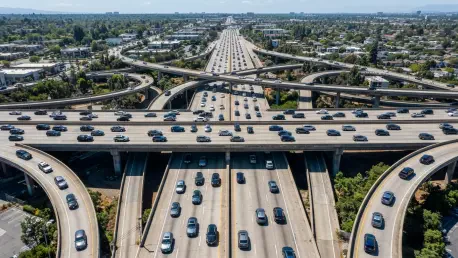
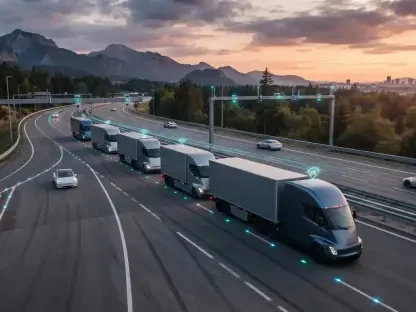
Advanced algorithmic frameworks are now capable of adjusting safety margins in real time based on the current quality of the digital signal. This technological milestone marks a departure from the traditional methods of managing highway congestion, which have long relied on the reactive habits of
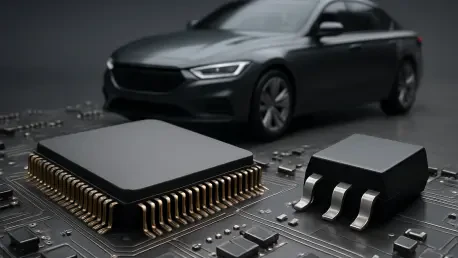
Specialized firms like Telechips and Nextchip are focusing on high-growth niches such as in-vehicle infotainment and advanced image recognition for driver assistance systems. This strategic pivot marks a significant moment in South Korea's industrial history, as the nation moves to diversify its

Chip-level vulnerabilities present a systemic risk to the automotive supply chain because one discovered backdoor can compromise millions of different vehicles. This reality highlights the profound transformation of the automobile from a standalone mechanical assembly into a highly integrated
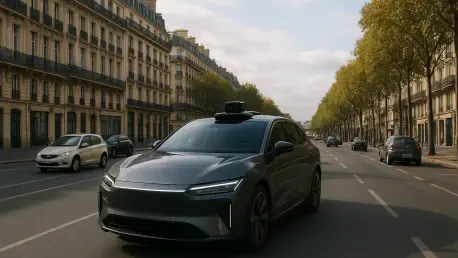
The absence of clear lane markings on the Champs-Élysées forced the vehicle's AI to synthesize its own digital path through a dense thicket of urban traffic. This high-stakes demonstration in the heart of France serves as a litmus test for BYD’s advanced "God’s Eye" City Navigation on Driving