
A single corporate investment of ₹1,500 crore is poised to fundamentally reshape a nation’s military independence, marking a pivotal moment in India’s quest for strategic autonomy on the global stage. Hyderabad-based Apollo Micro Systems Limited (AMS) has announced a landmark greenfield expansion in Telangana, a move that transcends typical business growth. This initiative represents one of the most significant ventures in the company’s history, signaling a deliberate and powerful commitment to bolstering India’s domestic defence manufacturing capabilities and aligning with the nation’s broader security objectives. The project is not merely about constructing new facilities; it is about building a new pillar for a self-reliant defence infrastructure.
The New Arsenal of a Self Reliant Nation
This expansion signifies a critical evolution in India’s defence industrial base, moving from assembly and licensed production toward comprehensive, indigenous design and manufacturing. The initiative by Apollo Micro Systems is a tangible manifestation of a national strategy aimed at achieving self-sufficiency in critical defence technologies. By establishing a state-of-the-art facility capable of producing advanced armament systems, the company is directly contributing to the creation of a robust domestic supply chain that is less susceptible to geopolitical volatility and external pressures.
The development underscores a strategic shift in how private sector entities are participating in national security. Traditionally, defence production was dominated by public sector undertakings, but this massive investment highlights the growing role and capability of private firms in developing and delivering high-stakes military hardware. The project aims to create an integrated ecosystem where complex weapon systems, from conception to final product, are developed within the country, fostering technological innovation and skilled employment while enhancing the nation’s sovereign capabilities.
The Strategic Imperative Behind Aatmanirbhar Bharat
At the heart of this ambitious project lies the government’s “Aatmanirbhar Bharat” (Self-Reliant India) initiative, a policy born from the critical need to reduce the nation’s long-standing dependence on foreign military imports. For decades, India has been one of the world’s largest arms importers, a status that carries significant strategic vulnerabilities, including supply chain disruptions, diplomatic leverage by supplier nations, and a continuous drain on foreign exchange reserves. Apollo’s investment is a direct response to this imperative, aiming to substitute imports with domestically produced, high-reliability systems.
This move toward self-reliance is driven by more than just economic considerations; it is a core component of India’s national security doctrine. In an increasingly uncertain global landscape, the ability to produce essential military equipment domestically ensures operational readiness and strategic independence. By developing and manufacturing critical systems such as warheads and artillery within its borders, India fortifies its defence posture, ensuring that its armed forces have access to a secure and uninterrupted supply of mission-critical equipment, thereby strengthening its geopolitical stability and autonomy.
Inside the 1500 Crore Greenfield Project
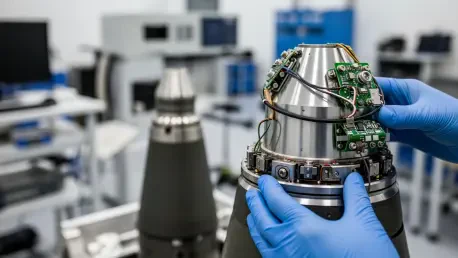
The core of the expansion is a meticulously planned greenfield project in Telangana, leveraging the state’s growing reputation as a premier hub for aerospace and defence manufacturing. The ₹1,500 crore investment will fund the creation of a cutting-edge facility dedicated to producing a wide spectrum of sophisticated defence hardware. The production line is slated to include warheads, rocket motors, and a comprehensive range of artillery systems across small, medium, and large calibers, along with their associated ammunition. This broad scope positions AMS to become a key supplier for a variety of defence requirements.
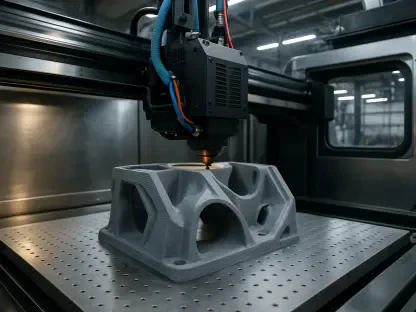
A central element of the project’s design is the company’s “under one roof” strategy, which aims to establish a fully integrated manufacturing ecosystem. This approach will consolidate the entire production lifecycle—from component fabrication to the assembly and testing of complete armament platforms—within a single campus. Such vertical integration is expected to streamline operations, enhance quality control, reduce logistical complexities, and accelerate production timelines. This holistic model is designed to create a self-contained and highly efficient production powerhouse for critical defence systems.
A Transformational Step Forward The View from the Top
The vision behind this monumental undertaking is articulated with clarity by the company’s leadership. Karunakar Reddy, the Managing Director of Apollo Micro Systems, described the greenfield project as a “powerful and transformational step forward” for the organization. This statement reflects not just an ambition for corporate growth but a deeper understanding of the company’s evolving role within the national defence framework. The expansion is strategically designed to elevate AMS’s operational scale and technological prowess, preparing it to meet the complex challenges of modern warfare.
According to Reddy, the investment is timed to capitalize on the “surging demand” within India’s defence sector, which is increasingly prioritizing indigenous solutions. His perspective underscores a proactive strategy to align the company’s capabilities with national priorities, positioning AMS to become a leader in the indigenous defence ecosystem. This forward-looking approach demonstrates confidence in the long-term potential of India’s domestic market and a commitment to contributing substantively to the nation’s security apparatus.
Forging a Resilient Defence Ecosystem
The strategic objectives of the project are multifaceted, focusing on creating a robust and self-sustaining defence manufacturing environment. The primary goals are threefold: to fortify the resilience of the supply chain, to substantially boost production capacity, and to deepen the company’s portfolio of high-precision indigenous technologies. By bringing critical manufacturing processes in-house, AMS aims to mitigate risks associated with external dependencies and ensure a stable supply of components for its advanced systems.
A key pillar of this strategy is the planned synergy with IDL Explosives Ltd., a move calculated to create a seamless and integrated supply chain for mission-critical inputs. This partnership will ensure a reliable captive supply of explosives required for the systems AMS will produce, including those for artillery shells, moored mines, and various rocket systems like MIGM and Grad. This integration was designed to significantly strengthen the Group’s overall market position, showcasing a well-orchestrated plan to become a leading, end-to-end supplier of comprehensive defence solutions. The strategic collaboration was a testament to the project’s focus on building a cohesive and resilient industrial ecosystem, not just a standalone factory.