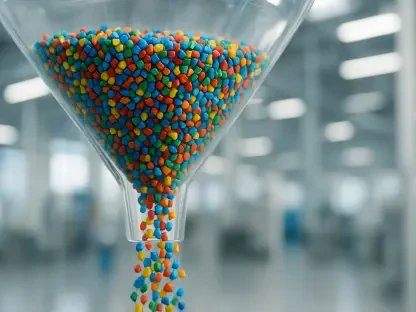
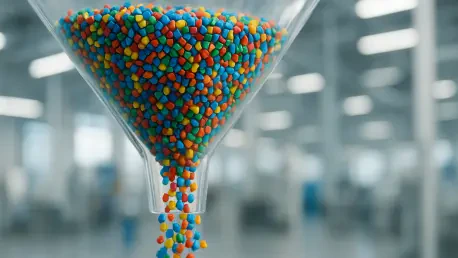
The NewCycling solvent-based process allows for the molecular-level purification of polymers, effectively removing impurities and pigments that previously limited the reuse of recycled materials. This breakthrough represents a pivotal shift in how the industry approaches the end-of-life stage for

Imagine the overwhelming silence that follows a diagnosis when a cardiologist explains that a newborn’s heart, an organ barely the size of a walnut, possesses structural defects that require immediate surgical intervention. For thousands of families across Australia and beyond, this moment marks
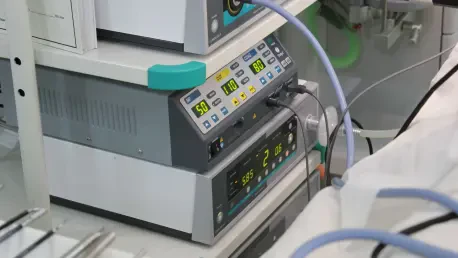
Data from The Joint Commission in 2022 revealed high rates of noncompliance with disinfection standards, prompting the creation of a definitive roadmap for facility compliance. This critical finding served as a wake-up call for the healthcare industry, highlighting the latent risks in a department
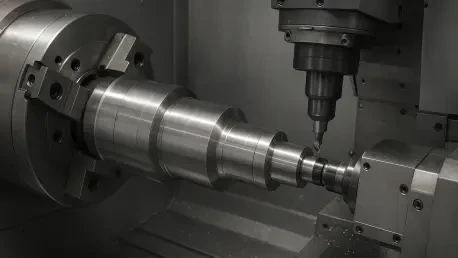
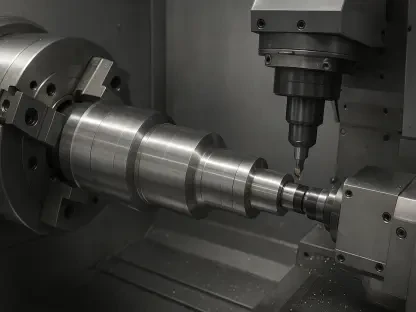
Safety during high-speed turning is managed through a specialized enclosure featuring laminated safety glass and a reinforced cabin top designed for operator protection. This strategic launch of the C 22 MT by HERMLE AG marks a definitive pivot in the landscape of high-precision manufacturing,

The evolution of cleanroom construction relies on breaking down professional silos to align all stakeholders around a single source of technical truth. In the high-stakes sectors of biotechnology, pharmaceutical manufacturing, and advanced semiconductor fabrication, the speed at which a facility
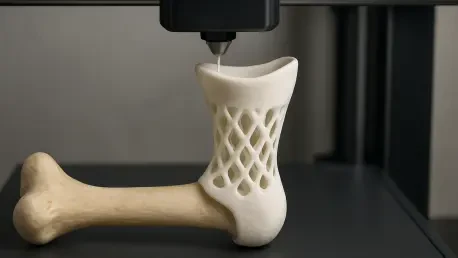
The persistence of periprosthetic infections at the site where metal exits the skin remains one of the most significant challenges in modern prosthetic engineering. For several decades, the primary method for attaching artificial limbs has relied on the socket-based prosthesis, which requires the