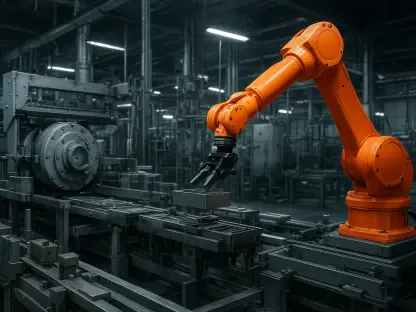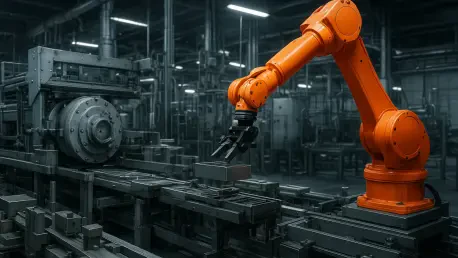
The rhythmic thud of a hydraulic press and the repetitive sweep of a robotic arm have long defined the factory floor, yet a profound quietude is settling over traditional automation as machines begin to think rather than just move. This evolution marks a departure from the "dumb" industrial robot,

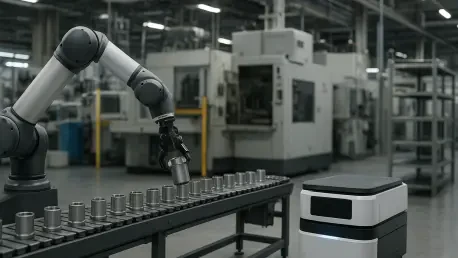
UBTECH’s sophisticated four-pillar architecture utilizes swarm intelligence to ensure that multiple humanoid robots can coordinate their movements seamlessly across a single production line. This breakthrough moves beyond the era of static machinery, where fixed robotic arms performed isolated
Designing for the factory floor means anticipating the harsh realities of industrial wear and tear while ensuring seamless data visibility for operators. The robotics landscape has moved past the initial excitement of mere mechanical capability, entering a phase where the primary concern is the
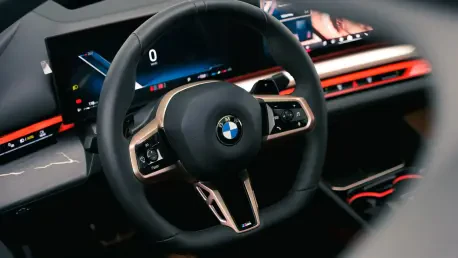
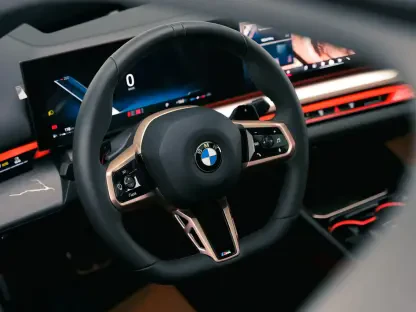
BMW is collaborating with Qualcomm to introduce navigation-guided assistance on city streets under the new European Driver Control Assistance Systems framework. This technological leap serves as a cornerstone for a broader industrial transformation that aims to redefine the premium automotive
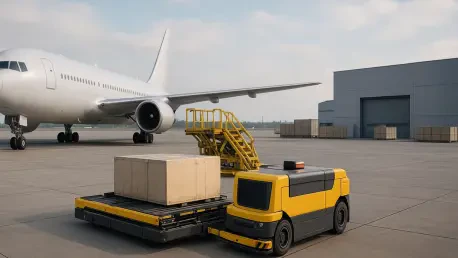
Every pallet entering the Leipzig/Halle facility undergoes an automated verification process involving barcode scanning and sensors for weight and dimensional conformity. This meticulous attention to detail is just one component of a transformative partnership between Jungheinrich and Deutsche
A factory capable of executing thousands of precise repetitions may still lack the cognitive capacity to understand why those actions are being performed in a broader business context. For more than two decades, the industrial sector has aggressively adopted the "smart" prefix, applying it
1 2 3 4 5 6 7 8 9 10 11 12 13 14 15 16 17 18 19 20 21 22 23 24 25 26 27 28 29 30 31 32 33 34 35 36 37 38 39 40 41 42 43 44 45 46 47 48 49 50 51 52 53 54 55 56