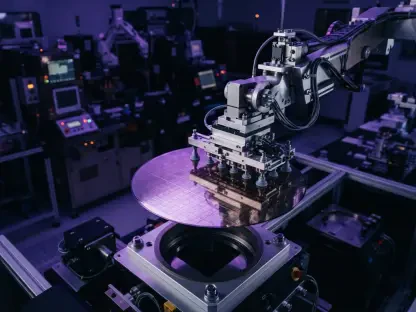

Ukraine is transforming from a passive recipient of foreign aid into a hub of additive manufacturing expertise by developing indigenous substitutes for sophisticated foreign weapons. The technological shift toward additive manufacturing is occurring as the traditional pillars of global security
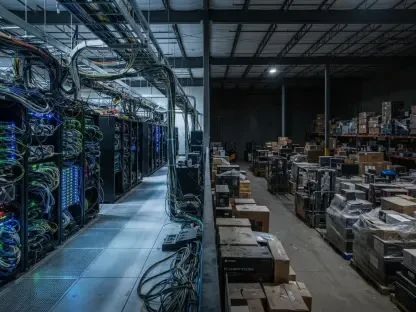
The stark contrast between a twenty percent drop in global PC sales and the thirty-one percent surge in server CPU demand highlights a major divergence in hardware investment. As the current fiscal year progresses, the computing landscape is grappling with a "Dr. Jekyll and Mr. Hyde" dynamic where

The Department of Defense recently showcased a swarm of four unmanned ground vehicles at Fort Knox to test how autonomous strike teams might secure the European eastern flank. This demonstration highlights a pivot toward high-technology solutions to address modern geopolitical tensions. By

Remote monitoring infrastructure must be robust enough to handle diverse patient environments while maintaining strict security and privacy standards for sensitive data. This requirement sits at the heart of a massive transformation currently sweeping through the global healthcare landscape, as

The shift toward simulation-ready assets allows data center developers to test the impact of NVIDIA Rubin GPUs before any physical hardware is installed in the rack. This capability marks a pivotal moment for the SIN01 facility at the SINES Data Campus in Portugal, which serves as a massive 1.2 GW

The rapid transition from manual control to autonomous operation in ground combat platforms represents the most significant shift in armored warfare since the internal combustion engine first replaced the horse. The recently introduced CoreMotion technology acts as a universal translator that
1 2 3 4 5 6 7 8 9 10 11 12 13 14 15 16 17 18 19 20 21 22 23 24 25 26 27 28 29 30 31 32 33 34 35 36 37 38 39 40 41 42 43 44 45 46 47 48 49 50 51 52 53 54 55 56 57 58 59 60 61 62 63 64 65 66 67 68 69