
Fine chemical manufacturing traditionally depends on geographically concentrated resources that are increasingly sensitive to global supply chain disruptions. This vulnerability has prompted a massive re-evaluation of how the industrial sector approaches catalytic processes, which remain the
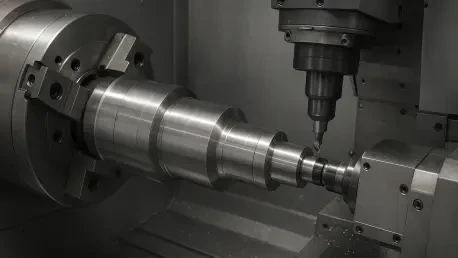
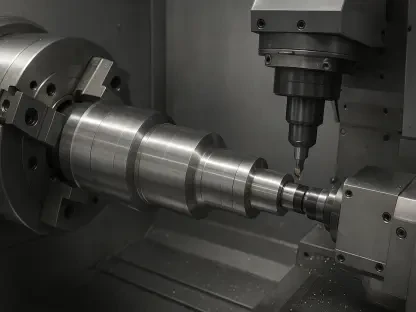
Safety during high-speed turning is managed through a specialized enclosure featuring laminated safety glass and a reinforced cabin top designed for operator protection. This strategic launch of the C 22 MT by HERMLE AG marks a definitive pivot in the landscape of high-precision manufacturing,

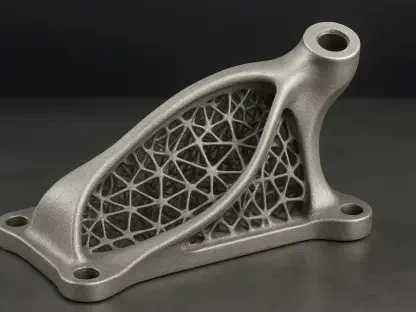
The Zetamix metal 3D printing solution offers a robust method for creating mechanical parts while minimizing the safety risks inherent to traditional metal additive processes. This technological leap has found its most prestigious application aboard the French aircraft carrier Charles de Gaulle,
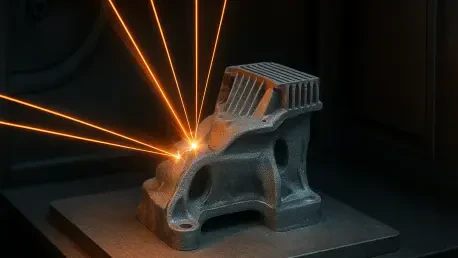
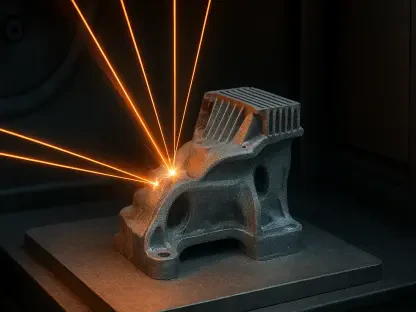
The rapid transition from experimental prototyping toward high-volume industrial output has fundamentally altered the landscape of metal additive manufacturing by demanding unprecedented levels of speed and precision. Traditional single-laser systems often struggle to meet the throughput
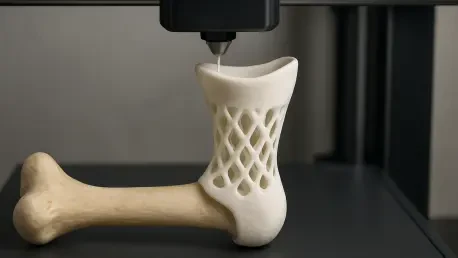
The persistence of periprosthetic infections at the site where metal exits the skin remains one of the most significant challenges in modern prosthetic engineering. For several decades, the primary method for attaching artificial limbs has relied on the socket-based prosthesis, which requires the
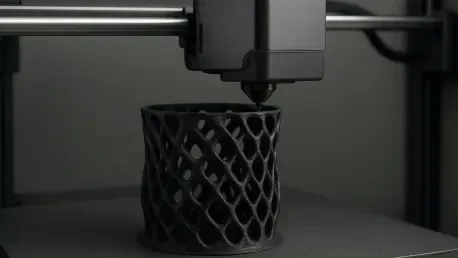
Digitizing the tracking of chemical and physical histories for metal powders eliminates the dangerous black box of material contamination in additive processes. This fundamental shift marks the transition from additive manufacturing as a mere fabrication tool to a sophisticated data-driven
1 2 3 4 5 6 7 8 9 10 11 12 13 14 15 16 17 18 19 20 21 22 23 24