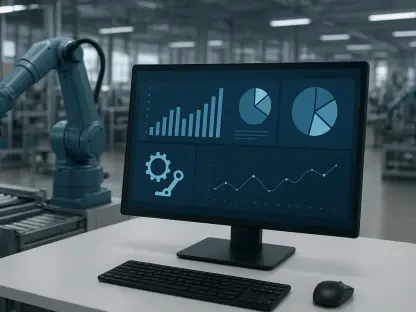

Outdated manual tracking systems are increasingly viewed as a significant liability for manufacturers operating in today's complex international markets. As the global supply chain faces unprecedented pressures from climate instability and shifting geopolitical alliances, the margin for error in

The contrast between Ireland’s worldwide reputation as a lush, green food producer and its relatively conservative approach to organic industrialization has never been more striking. While the rolling pastures of the island suggest a natural alignment with organic principles, the domestic
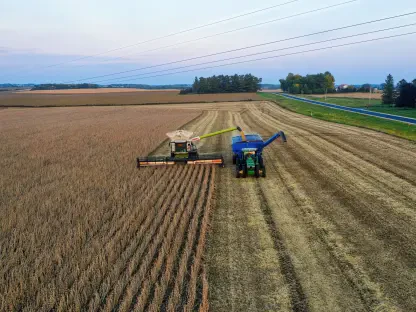
Logistical and financial hurdles continue to compromise the effectiveness of government schemes designed to reward farmers for environmental stewardship and resilience. This reality has defined the 2026 harvest, which stands as the most devastating period for English agriculture since
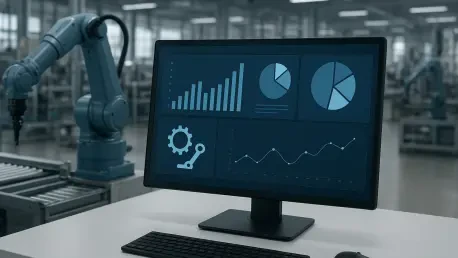
The introduction of responsible AI features emphasizes that technology should assist rather than replace the critical decision-making processes of human operators. In the competitive manufacturing landscape of 2026, where precision and traceability are no longer optional, Wherefour has unveiled a
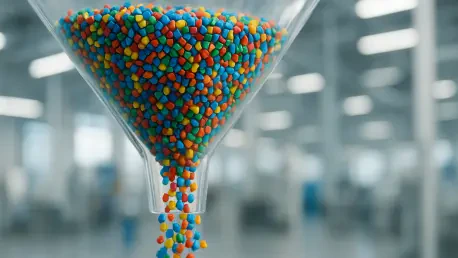
The NewCycling solvent-based process allows for the molecular-level purification of polymers, effectively removing impurities and pigments that previously limited the reuse of recycled materials. This breakthrough represents a pivotal shift in how the industry approaches the end-of-life stage for
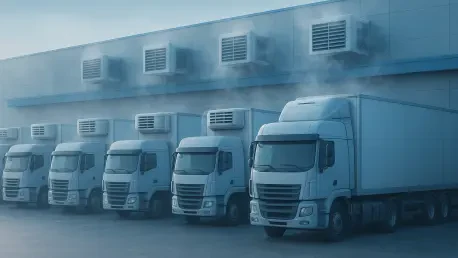
Every single second a temperature-sensitive shipment lingers in the transition zone between a freezer and a trailer represents a direct hit to a food manufacturer’s annual profitability. While technical failures in refrigeration units are rare, the true financial drain usually occurs during the