
The shift toward simulation-ready assets allows data center developers to test the impact of NVIDIA Rubin GPUs before any physical hardware is installed in the rack. This capability marks a pivotal moment for the SIN01 facility at the SINES Data Campus in Portugal, which serves as a massive 1.2 GW

Mechanical recycling remains the industry benchmark because it preserves molecular chains with an energy consumption of only 4.1 to 8.6 megajoules per kilogram. This efficiency serves as a cornerstone for current circular economy targets, providing a measurable standard for sustainability across
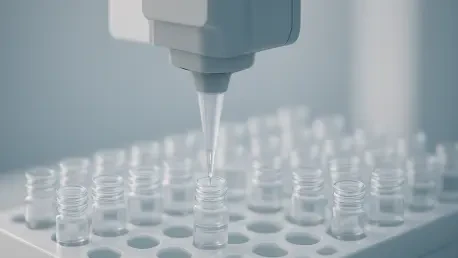
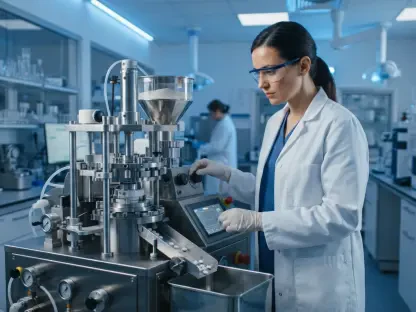
Advanced instrument vendors are now prioritizing data integrity and regulatory compliance to meet the rigorous demands of Good Manufacturing Practice environments. This shift reflects a broader transformation where analytical science has moved beyond its traditional role as a secondary support
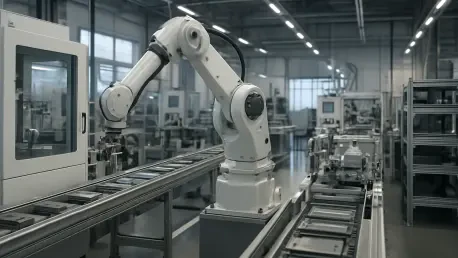
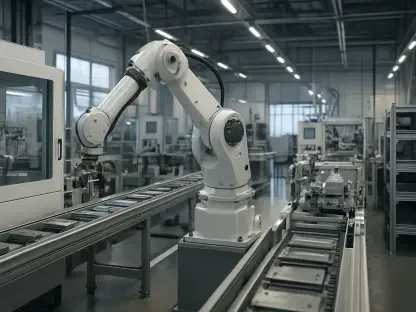
Autonomous manufacturing AI acts as the central brain of a facility by predicting outcomes and independently adjusting operating conditions to optimize overall performance. This technological evolution marks a definitive departure from the era of static automation, where machines merely followed

Digital health platforms now enable clinicians to monitor neurostimulation device performance and adjust therapeutic settings remotely without requiring an in-person office visit. This development marks a significant milestone in 2026, where the intersection of telecommunication and neurobiology

By implementing a twelve-state behavioral finite state machine, developers can now simulate diverse pedestrian archetypes ranging from business people to parents with young children. This technological breakthrough in 2026 addresses a critical bottleneck in the safety validation of autonomous
1 2 3 4 5 6 7 8 9 10 11 12 13 14 15 16 17 18 19 20 21 22 23 24 25 26 27 28 29 30 31 32 33 34 35 36