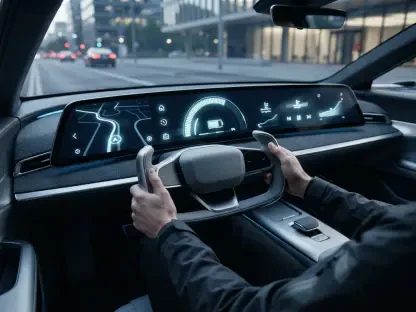

The transition toward highly automated transportation systems is driving the need for pre-integrated hardware and software solutions that reduce overall time-to-market. In the current automotive landscape, the complexity of managing sophisticated sensor arrays and artificial intelligence algorithms
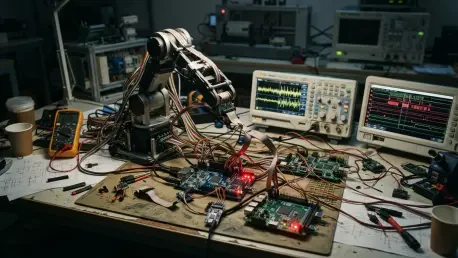
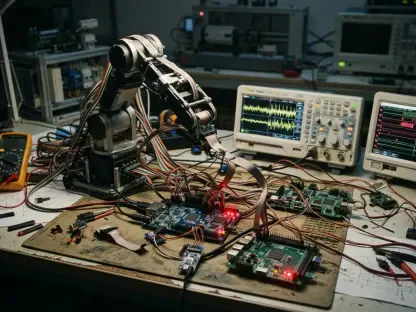
Modern industrial machines function as the physical limbs of automation, yet the embedded hardware and software serving as the nervous system often lack the necessary complexity to succeed. As 2026 unfolds, manufacturers find themselves at a crossroads where the theoretical promise of smart

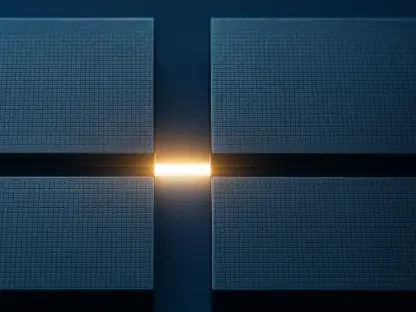
Shrinking circuits to improve performance and power efficiency requires EUV technology, which has become the primary battleground in the global chip war. The global semiconductor landscape is undergoing a tectonic shift as manufacturing self-sufficiency becomes the ultimate measure of national

The mid-November 2026 launch of the latest Apple TV hardware will likely coincide with the general release of the transformative tvOS 27.2 software. This update represents a watershed moment for the digital streaming landscape as artificial intelligence moves from backend algorithms to front-facing
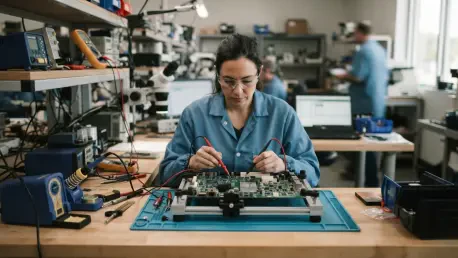
Decentralized machine learning requires a physical foundation that can deliver high performance with minimal power consumption, a challenge currently addressed by the development of tailored CMOS hardware. As the EFX—Expo for Electronics Manufacturing unfolds at the Stuttgart exhibition center from

The failure of early smart eyewear prototypes often stemmed from a lack of daily utility combined with designs that ignored established social and aesthetic norms. Historically, the eyewear industry operated with a quiet consistency compared to volatile consumer electronics sectors, yet as of 2026,