The endurance of domestic manufacturing in an era dominated by globalized supply chains remains a rare achievement for American enterprises striving to maintain quality and speed simultaneously. England Furniture has navigated these complexities since its inception in 1964, transforming a modest
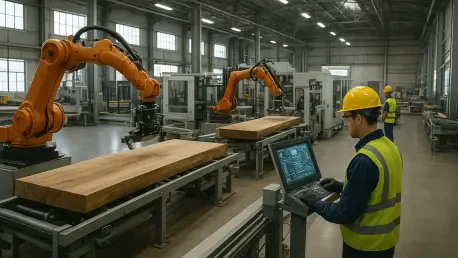
Increased demand for Brazilian manufacturing technology and raw materials in secondary markets is currently the primary factor preventing a total contraction of the furniture supply chain. As the industry navigates the complexities of the current year, the landscape is defined by a stark contrast

Industry veterans like Tomasz Siekacz of Agmamito Group suggest that the current market pressure may be a necessary catalyst for modernizing the sector's aging sourcing infrastructure. This shift comes at a critical juncture where the traditional competitive advantage of low labor costs has

While manufacturers have initially absorbed rising input costs to shield consumers, unavoidable price hikes are projected to take effect starting this fall. This shift comes as the European Union intensifies its environmental mandates, specifically through the expansion of carbon-related levies

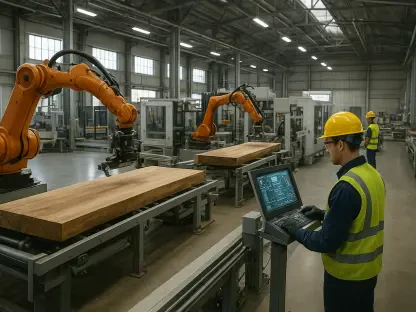
Moisture and impact resistance are the primary functional benefits of applying high-quality edge banding to the foundation of modern cabinetry and office furniture. For decades, the furniture manufacturing industry relied heavily on manual labor to achieve these results, but the landscape is

Having earned the status of a trusted name over five decades, the company continues to bridge the gap between traditional manual skills and the precision of modern manufacturing technology. This enduring legacy is a byproduct of the rapid metamorphosis of the United Arab Emirates from a