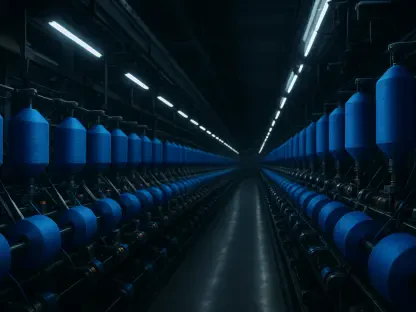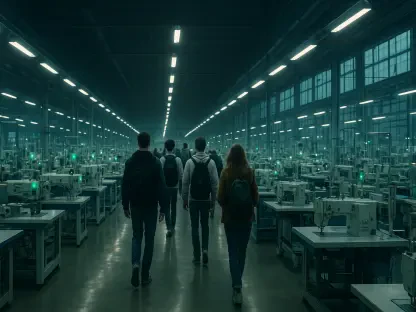
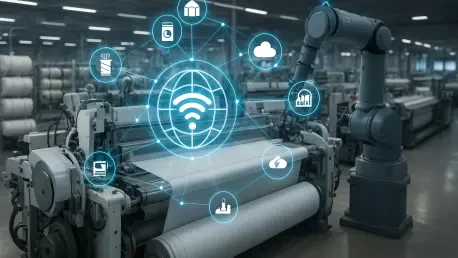
Textile integrity during repeated washing and stretching remains a critical engineering challenge for developers of wearable electronics and flexible strain sensors. Despite these technical hurdles, the global textile and apparel industry has entered a period of unprecedented transformation, moving
Vertical integration has become an essential strategy for maintaining profitability in an industry defined by fluctuating raw material costs. As global fashion cycles accelerate and consumer preferences pivot toward more versatile fabrics, textile manufacturers face the dual challenge of managing
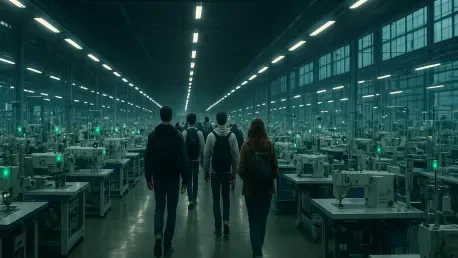
Bridging the critical gap between academic theory and industrial practice, eight NITER students are set to undergo advanced technical training in China. This initiative, organized by the Bangladesh China Chamber of Commerce and Industry (BCCCI), signals a pivotal shift in how the nation’s future

High-temperature Gloria ovens process organic waste into biochar, a stable substance capable of storing carbon in the soil for centuries to generate tradable credits. This technological marvel serves as the central engine of SwissX Island, a 50-acre facility in St. John’s, Antigua, which has

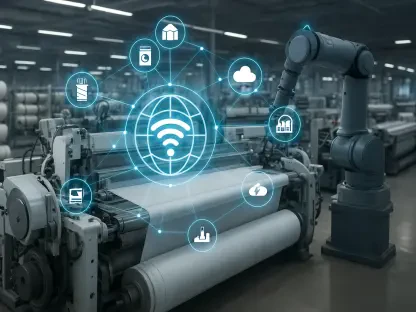
A fundamental shift in consumer behavior is extending the demand for connected technology into the very fabrics people wear for daily protection and style. The global apparel industry is undergoing a radical shift, moving beyond simple aesthetics and protection to become a sophisticated,

Global supply chains are increasingly favoring next-generation partners who can balance high-level creativity with a practical commitment to a circular economy. Yee Chain Industrial Co., Ltd. has taken a significant leap in manufacturing by integrating the Kornit Presto MAX S digital textile