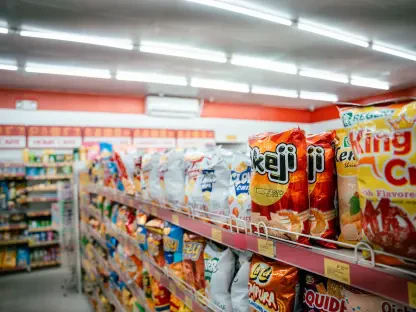
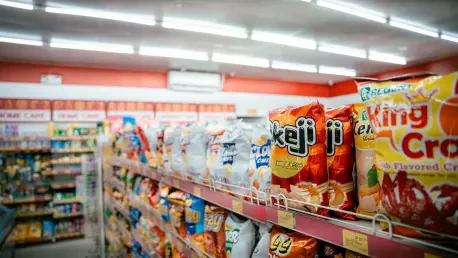
Bridging the gap between experimental food science and global manufacturing scale remains the primary challenge for companies seeking to modernize their product portfolios. This necessity is driving a profound transformation across the global confectionery landscape, where consumer expectations are
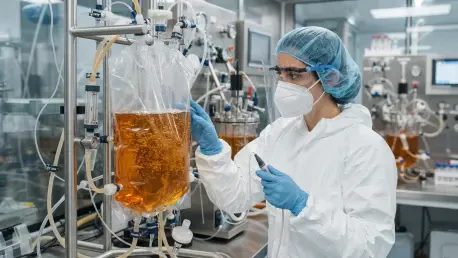
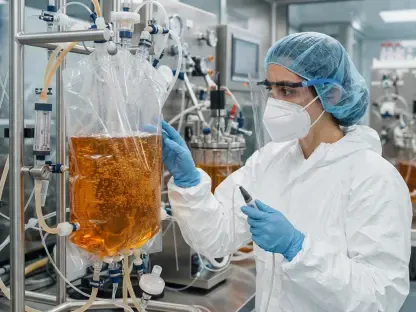
Site interoperability allows multiple facilities to function as a single integrated supply node, optimizing capacity utilization across an entire global network. This approach has become a cornerstone for biopharmaceutical companies looking to mitigate the risks inherent in traditional, isolated
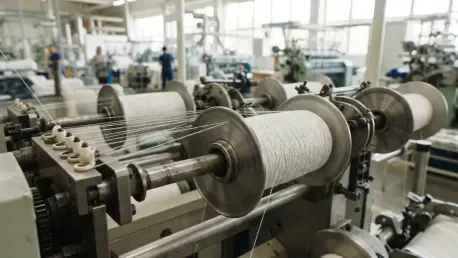
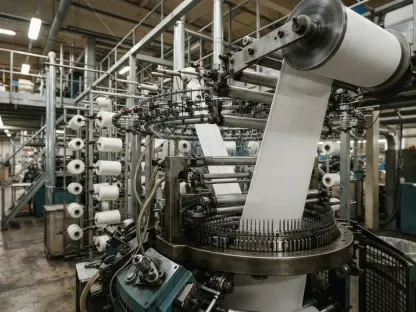
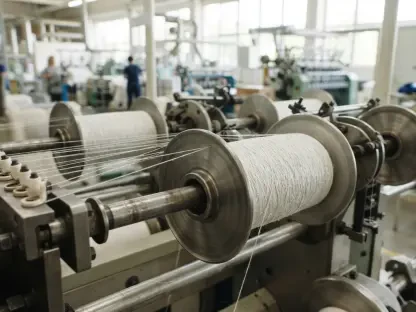
Reju is bridging the gap between raw chemical output and finished garments by integrating regenerated polyester into a global network of six specialized textile mills. This strategic move signals a departure from theoretical sustainability models, as it prioritizes the creation of a tangible,

Chromium and manganese act as essential alloying agents, with 51 million and 20 million tonnes produced respectively to enhance the strength and corrosion resistance of steel. This foundational extraction of materials highlights the symbiotic relationship between raw earth and human ingenuity,
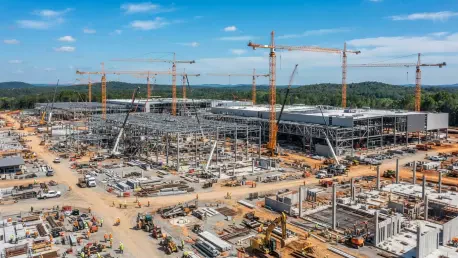
The move to Georgia marks a fundamental restructuring of Audi’s global footprint, ending an era where its most popular American models were built exclusively overseas. By committing $4 billion to a massive manufacturing project in Perry, Georgia, the German automaker is signaling a decisive pivot

A significant hurdle for the widespread adoption of biopolymers remains the price premium they command over their fossil-based counterparts in the current global market. This economic reality persists even as the textile industry intensifies its efforts to decouple synthetic fiber production from a
1 2 3 4 5 6 7 8 9 10 11 12 13 14 15 16 17 18 19 20 21 22 23 24 25 26 27 28 29 30 31 32 33 34 35 36 37 38 39 40 41 42 43 44 45 46 47 48 49 50 51 52 53 54 55 56 57 58 59 60 61