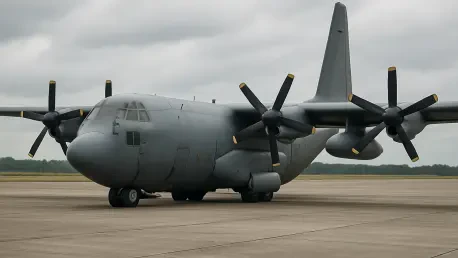

A state-of-the-art military transport aircraft, bearing the emblem of Indian manufacturing, is preparing to take its place in the nation’s defense arsenal, marking a pivotal moment in the country’s journey toward aerospace self-sufficiency. Later this year, the first C295 aircraft assembled on Indian soil is scheduled for delivery, an event set to be officiated by Prime Minister Narendra Modi. This milestone represents more than just the addition of new hardware; it signifies a fundamental shift in India’s role from a major importer of defense equipment to a burgeoning hub for sophisticated aerospace manufacturing. The project, a collaboration between global giant Airbus and India’s Tata Advanced Systems Limited, serves as a powerful testament to the ‘Made in India’ initiative taking flight.
A Strategic Shift Toward Self-Reliance
The development of the Indian-made C295 is a direct outcome of the government’s sustained push for domestic defense production, an initiative designed to bolster national security and foster economic growth. This policy shift encourages international defense firms to partner with Indian companies, transferring technology and building local manufacturing capabilities. The goal is to reduce reliance on foreign suppliers while cultivating a robust domestic industrial base capable of meeting both national and global demands.
At the heart of this endeavor is a landmark agreement signed between the Indian Ministry of Defence, Airbus, and Tata for the procurement of 56 C295 aircraft for the Indian Air Force. The contract is structured to facilitate a seamless transition from importation to domestic production. The initial phase saw the delivery of the first 16 aircraft directly from Airbus’s production facility in Spain, allowing the Air Force to begin integrating the new platform while the Indian manufacturing ecosystem was being established. The subsequent and more critical phase involves the assembly of the remaining 40 aircraft at a newly constructed facility in Vadodara, Gujarat.
Inside the Vadodara Facility Assembling an Aerospace Future
The Vadodara assembly line is the operational core of this ambitious project, representing a powerful joint venture between Tata Advanced Systems Limited and Airbus. This partnership combines Tata’s extensive manufacturing experience with Airbus’s world-class aerospace technology, creating a synergy aimed at producing aircraft that meet global standards. The facility is not merely an assembly plant but is designed to be the nucleus of a burgeoning local aerospace ecosystem, fostering innovation and skill development.
A defining feature of the project is its commitment to local sourcing. A remarkable 70% of the components for the Indian-made C295 are procured from domestic suppliers, a figure that underscores the depth of the local supply chain being cultivated. However, the project also highlights the interconnected nature of modern aerospace manufacturing. The remaining 30% of components are imported, including critical systems like the engines, which are supplied by the U.S.-based manufacturer Pratt & Whitney. This balanced approach ensures access to the best available technology while maximizing indigenous contribution.
An Airbus Executive on India’s Aerospace Ascendancy
The project’s progress and future potential have been highlighted by key figures within Airbus. Wouter Van Wersch, President of International for Airbus, recently confirmed the timeline for the first Vadodara-built aircraft’s rollout, emphasizing the significance of this transition. Speaking at the Singapore Airshow, he noted that following the initial delivery, all subsequent C295s for the Indian Air Force will originate from the Indian assembly line, cementing its role in the nation’s defense modernization.
Van Wersch also articulated a broader vision for the Vadodara plant that extends well beyond the current contract. Airbus envisions the facility evolving into a regional hub for the C295, potentially exporting the versatile transport aircraft to other nations in the vicinity. This ambition aligns with Airbus’s growing investment in India, which the company now views as a key global center for its engineering and digital operations. This strategic focus is further evidenced by the expansion of its Bengaluru campus and a deep commitment to nurturing local talent through specialized training programs.
A Blueprint for the Future The Project’s Broader Impact
The C295 project serves as a strategic blueprint for India’s aspirations on the global aerospace stage. By moving from assembly to potential exportation, the initiative positions India not just as a consumer but as a key supplier in the regional aircraft market. This move is crucial for enhancing the country’s strategic autonomy and influence, transforming it into a more significant player in the international defense and aerospace industry.
Moreover, the long-term impact on the domestic economy and workforce is substantial. The establishment of the Vadodara facility and the expansion of Airbus’s operations in Bengaluru are cultivating a highly skilled talent pool versed in cutting-edge aerospace technologies. By investing in local training and creating a network of domestic suppliers, the C295 program is strengthening the very foundation of India’s industrial capabilities. This not only stimulates economic activity but also ensures a sustainable pipeline of expertise for future aerospace endeavors.
The delivery of the first Indian-made C295 was more than a procedural handover; it was the realization of a long-held strategic vision. This achievement demonstrated that with focused policy, strategic international partnerships, and investment in local talent, India could successfully transition from being one of the world’s largest defense importers to a capable and competitive aerospace manufacturer. The project set a powerful precedent, creating a model for future collaborations and solidifying the nation’s path toward greater self-reliance in a critical sector.