
The American family driveway has become a prestigious theater of competition where midsize three-row SUVs must serve as mobile offices, luxury lounges, and weekend cargo haulers simultaneously. As the 2026 model year reaches its peak, the Ford Explorer and the Nissan Pathfinder stand as two of the most significant contenders, each offering a distinct philosophy on how to move seven or eight people through the modern world. These vehicles have evolved beyond their utilitarian roots, incorporating sophisticated software and advanced mechanical engineering to meet the rising expectations of consumers who refuse to compromise on either comfort or capability. Selecting between these two stalwarts requires a deep dive into how they manage the specific stresses of daily commutes and long-distance travel, especially as manufacturers integrate more complex connectivity features and specialized performance trims into their standard lineups. This battle represents more than just a spec-sheet comparison; it is an evaluation of how design priorities impact the lives of families.
Cabin Comfort and Interior Design
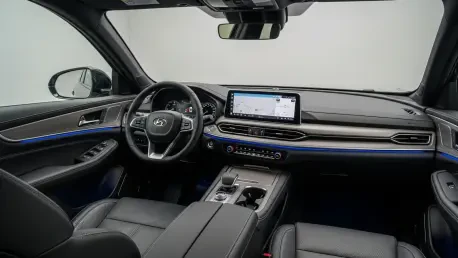
Stepping inside the Ford Explorer reveals a cabin that appears heavily skewed toward providing a premium experience for those positioned in the front row, emphasizing the driver’s importance through high-quality materials and advanced ergonomics. Higher trims, such as the Platinum and ST, provide an environment that rivals luxury marques, featuring multi-contour seats with ventilation and deep-tissue massaging functions that significantly reduce fatigue during extended road trips. However, a noticeable discrepancy in comfort emerges as one moves toward the rear of the vehicle, where the second and third rows do not share the same level of refinement. The rear seating cushions feel notably stiffer and less supportive than those in the front, while the headrests are positioned in a way that some passengers may find intrusive rather than helpful. This layout suggests that Ford prioritized the command center experience over equalized comfort, making it a compelling choice for the primary driver who spends most of their time behind the wheel without a full load.
In contrast, the Nissan Pathfinder adopts a more egalitarian approach to interior design, ensuring that every occupant feels like a priority rather than an afterthought in the daily family shuttle. The cabin environment is defined by its remarkable serenity, achieved through extensive sound-deadening measures and acoustic glass that effectively isolate the passengers from the drone of highway traffic and wind noise. Legroom across all three rows is distributed more generously than in many competitors, and the seats themselves offer a more plush, consistent feel regardless of where one is sitting. The climate control system is particularly robust, utilizing a tri-zone setup that manages to maintain an even temperature even during extreme weather conditions. For large families who utilize every seat on a regular basis, the Pathfinder provides a more hospitable and relaxing environment, effectively serving as a quiet sanctuary that minimizes the chaos of group travel. This focus on passenger-centric hospitality makes the Nissan a formidable opponent in the segment.
Performance, Tech, and Utility
Driving dynamics present perhaps the most significant divergence between these two vehicles, with the Ford Explorer leveraging its turbocharged powertrains to deliver a level of athleticism that is surprisingly rare in the midsize SUV category. Even the base engine provides a sense of urgency that makes merging onto fast-moving freeways effortless, while the ST trim transforms the vehicle into a performance-oriented machine with precise steering and a chassis that resists body roll with confidence. This fleet-footed nature allows the Explorer to feel smaller than its physical dimensions might suggest, providing a more engaging and responsive connection for the driver. On the other hand, the Nissan Pathfinder prioritizes a smooth and composed ride that absorbs road imperfections with minimal drama. While its acceleration is adequate for most family duties, it lacks the turbocharged punch and mechanical sharpness of the Ford. The Pathfinder is built for those who value stability and predictability over the excitement of a spirited drive.
Technology integration serves as a critical differentiator in 2026, and the Ford Explorer gains a substantial edge by incorporating a sophisticated digital ecosystem centered around a 13.2-inch touchscreen. This system features Google Built-In, which integrates native Google Maps and voice assistance directly into the vehicle’s operating system, providing a more intuitive and faster interface than traditional proprietary software. This setup allows for seamless synchronization with personal accounts and real-time traffic data, which is further complemented by a standard digital instrument cluster that is highly customizable. Additionally, the Ford offers an abundance of USB ports throughout the cabin, ensuring that every passenger has a dedicated point to keep their devices powered during long journeys. The Nissan Pathfinder has improved its tech offerings with a new 12.3-inch display and wireless smartphone integration, but it remains a step behind in terms of raw screen real estate and the sheer number of available plug-in points.
Capability and Strategic Value
When comparing the raw utility and off-road capability of these two SUVs, the competition becomes a game of specialized strengths rather than a clear sweep for either brand. The Nissan Pathfinder holds a distinct advantage in heavy-duty tasks, boasting a maximum towing capacity of 6,000 pounds, which allows it to pull larger trailers or boats that would exceed the Ford’s 5,000-pound limit. However, the Ford Explorer strikes back in the realm of cargo flexibility and off-road prowess, particularly with its Tremor trim level. Unlike Nissan’s Rock Creek edition, which focuses heavily on aesthetic enhancements and minor hardware tweaks, the Explorer Tremor includes a genuine raised suspension and a limited-slip rear differential that provide actual mechanical benefits on unpaved trails. Total cargo volume also slightly favors the Ford, offering 85 cubic feet of space with the rear seats folded down compared to the 80 cubic feet available in the Nissan, making it slightly more versatile for bulky gear.
Consumers evaluated these two vehicles based on their specific lifestyle requirements, and the final results indicated that the Ford Explorer ultimately secured its position as the more complete all-rounder for the 2026 market. While the Nissan Pathfinder provided a superior people mover experience with its quiet cabin and better passenger comfort, the Ford’s dominance in technology and driving engagement made it the more versatile choice for modern buyers. Families seeking the best value were encouraged to look toward the Pathfinder for its interior quality, yet most professional assessments found that the Explorer’s superior infotainment and athletic handling outweighed the Nissan’s comfort advantages. Prospective owners should prioritize a thorough test drive that includes loading the vehicle with their typical gear to see how the cargo dimensions work for their specific needs. Ultimately, the Explorer succeeded by blending the utility of a family hauler with the personality of a driver-focused vehicle.