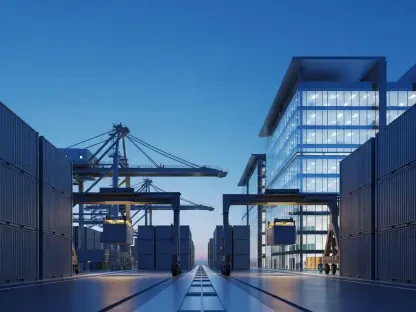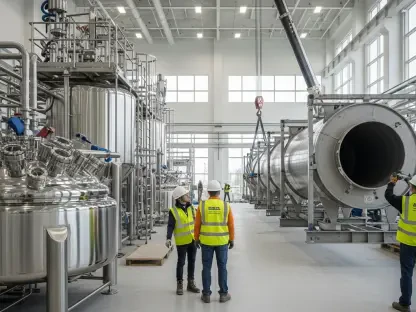

The transformation of the American Midwest into a formidable powerhouse for electric vehicle innovation reached a significant turning point with the announcement of a major manufacturing hub in Indiana. Hanjung America’s decision to establish its first U.S. facility in Huntington signals a victory for the state. This move strengthens the regional supply chain for energy storage systems (ESS). Moreover, it highlights Indiana’s emerging status as a premier center for advanced green technology and manufacturing.
A Strategic Expansion into the Heart of the American EV Corridor
Hanjung America chose the Huntington site to integrate directly into the burgeoning electric vehicle corridor. This placement allows the company to minimize logistical delays while maximizing its contribution to the local ecosystem. By situating its operations in Indiana, the firm reinforces a network that is increasingly vital for the future of domestic energy independence.
From HVAC to EV Innovation: The Global Foundation of Hanjung NCS
Established in 1995, the parent company Hanjung NCS began as a specialist in HVAC components. However, it successfully pivoted toward battery modules and specialized sensors to meet modern demands. With an established footprint in South Korea and China, this expansion marks a decisive entry into the North American market, building on decades of manufacturing credibility.
Key Milestones and Strategic Capabilities of the Huntington Facility
The facility targets specific production goals aimed at high-tech safety and operational efficiency.
Job Creation and Economic Growth for Huntington County
The project initially commits to creating at least 300 new roles. Over time, the workforce could expand to more than 440 employees, providing a substantial boost to the local economy.
Production of Critical ESS Cooling and Safety Systems
Manufacturing focuses on advanced cooling systems and specialized fire extinguishers for container-type storage units. These components are vital for maintaining the safety of high-capacity batteries.
Supporting the StarPlus Energy Gigafactories
As a tier-one supplier, Hanjung serves the nearby Stellantis and Samsung SDI joint venture in Kokomo. This proximity streamlines the production of battery systems, ensuring a steady flow of materials for these massive gigafactories.
What Distinguishes Hanjung America in the Green Tech Market
Hanjung stands out by specializing in niche safety technologies that address critical concerns within the high-capacity battery industry. Their fire suppression systems are specifically designed for large-scale energy storage, offering precision that standard equipment lacks. This focus on safety and reliability ensures their components remain essential for complex international supply chains.
Current Project Status and Development Timeline
Supported by a $5.1 million state incentive package, the project follows a clear developmental path. Groundbreaking is set for this April, with the goal of reaching full operational status by June 2027. Local grants and state tax credits have facilitated this rapid transition into the Indiana industrial landscape.
Reflection and Broader Impacts
This investment serves as a case study for international cooperation in the automotive and energy sectors.
Reflection
Choosing Indiana offers a stable regulatory climate, despite the hurdles of building a first-of-its-kind U.S. facility. The balance of local support and infrastructure makes the state highly attractive for foreign firms looking to scale operations quickly.
Broader Impact
Such investments accelerate the transition toward renewable energy by localizing production. By anchoring essential technologies in the Midwest, the domestic supply chain becomes increasingly resilient against global disruptions.
Conclusion: Securing a Sustainable Industrial Future
The establishment of this facility represented a milestone in securing Indiana’s role within the global green economy. Stakeholders must now focus on integrating local talent into these high-tech roles to sustain momentum. Moving forward, the continued success of such international partnerships remains essential for the stability of the American energy sector. Supporting the development of local vocational training programs will ensure the workforce remains competitive as new technologies emerge.