
What happens when a traditional industry like tyre manufacturing slashes problem-solving time from grueling hours to mere minutes? Apollo Tyres, a titan in India’s tyre sector, has achieved this feat by embracing artificial intelligence (AI) with a boldness that’s reshaping the industrial landscape. This isn’t just about adopting new tools; it’s a profound transformation that melds cutting-edge technology with human ingenuity. The story of how this company is setting unprecedented standards in efficiency and collaboration offers a glimpse into the future of manufacturing—a future that’s already here.
Why This AI Transformation Matters
In today’s fast-paced global economy, industries face relentless challenges, from supply chain disruptions to mounting sustainability pressures. Manufacturing, often perceived as resistant to change, stands at a critical juncture where adaptation is no longer optional. AI emerges as a powerful solution, promising quicker decisions, lower costs, and smarter resource management. For Apollo Tyres, integrating AI transcends mere competitiveness; it addresses tangible issues like production bottlenecks, workforce dynamics, and environmental responsibilities. This narrative isn’t just about one company—it’s about a broader shift that could inspire countless businesses to rethink their approach to innovation.
The Core of Apollo’s AI Breakthrough
At the heart of Apollo Tyres’ journey lies a suite of pioneering AI applications that have redefined operational efficiency across multiple dimensions. The company’s commitment to becoming an “AI-first” organization has yielded remarkable results, not just in speed but in reimagining how industrial challenges are tackled. This transformation spans from factory floors to customer interactions, creating a ripple effect of progress that’s impossible to ignore.
Smart Factories Powered by Agentic AI
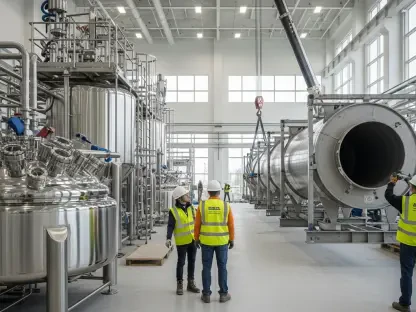
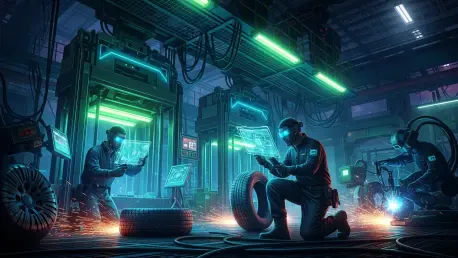
Central to this revolution are Apollo’s intelligent factories, where the in-house Manufacturing Reasoner—an Agentic AI platform—integrates real-time data from over 250 curing presses. What once took engineers two hours to diagnose now takes under 10 minutes, slashing manual effort by 88% and saving an estimated ₹1.5 crore annually in the Passenger Car Radial division. This isn’t automation for automation’s sake; it’s about empowering workers with tools that enhance precision and speed, fundamentally altering the pace of production.
AI’s Reach Across the Value Chain
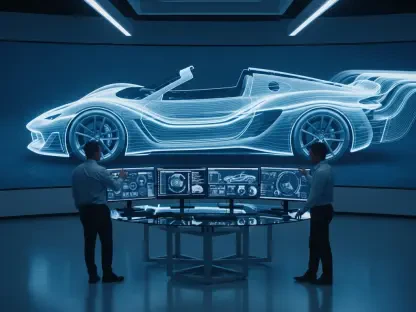
Beyond manufacturing, AI permeates every facet of Apollo’s operations, proving its versatility. In customer service, a Generative AI platform handles 14,000 monthly calls, cutting handling time from six minutes to three. Logistics benefits from AI-driven route optimization and demand forecasting across seven plants and over 100 countries. Meanwhile, research and development sees faster tyre design through AI copilots, and quality control is elevated with real-time defect detection via computer vision. Each application demonstrates how technology can create value at every touchpoint, weaving efficiency into the company’s very fabric.
Smaller Models, Bigger Impact
While many industry giants chase sprawling AI systems, Apollo Tyres takes a different path by prioritizing Smaller Language Models (SLMs) tailored to specific needs. These models consume less energy, protect sensitive data, and offer clear explainability—a critical factor in responsible AI deployment. This pragmatic choice balances innovation with sustainability, ensuring that technological advancements don’t come at the expense of ethical or environmental considerations. It’s a lesson in doing more with less, proving that bigger isn’t always better.
Maximizing Assets with Smart Tech
Another pillar of Apollo’s strategy is asset optimization, where AI-powered alerts and natural language queries enable machines to “speak” directly to operators. By pinpointing bottlenecks with simple questions, engineers resolve issues swiftly, boosting plant output without the need for costly new infrastructure. This “sweating assets” approach showcases how technology can unlock hidden potential within existing systems, offering a blueprint for maximizing returns on investment through intelligent solutions.
Leadership and Grassroots Voices Driving Change
The human element remains central to Apollo’s AI story, as emphasized by Harsh Vardhan, Global Head of Digital Innovation. His belief that “AI can reason faster, but humans provide the purpose” anchors the company’s vision in a human-centric ethos. This philosophy resonates at the Digital Innovation Hub in Hyderabad, where collaboration with startups and academia fuels progress. Equally compelling are the accounts from plant engineers who, initially wary of job displacement, now co-create AI tools, transforming skepticism into shared success. These stories highlight how trust and involvement turn technological change into a collective triumph.
Lessons for Businesses Inspired by Apollo
For companies looking to mirror Apollo Tyres’ achievements, actionable strategies emerge from this journey, blending technological integration with a focus on people. Start by framing AI as an enhancer of human skills, not a replacement, and involve employees through workshops to build solutions together. Opt for specialized AI models that target specific operational pain points, ensuring quick, measurable wins. Build partnerships with external innovators to keep ideas dynamic, and continuously measure impact—whether through time savings or cost reductions—to refine tools and align them with broader goals. These steps offer a roadmap for sustainable, impactful digital transformation.
Reflecting on Apollo Tyres’ remarkable strides, it’s evident that their journey carved a path for others in the industry to follow. Their blend of AI innovation with a steadfast commitment to human values redefined what was possible in manufacturing. As industries grappled with evolving demands, their story stood as a testament to the power of technology harnessed with purpose. Moving forward, businesses should consider how to balance automation with empathy, ensuring that progress uplifts both processes and people. The road ahead demands this harmony—a challenge that, if met, could transform countless sectors for the better.