
The traditional image of India as a massive buyer of international weaponry has been replaced by a sophisticated narrative of indigenous mastery and high-tech sovereignty. This transformation represents one of the most significant shifts in the global geopolitical landscape, as the nation moves beyond basic manufacturing toward the frontiers of military science. By integrating sovereign research with an expansive network of international partnerships, the country is rewriting the rules of defense procurement and production. The following analysis examines how this shift is reshaping the international market and what it means for the future of global security.
Historical Context: From Procurement to “Atmanirbhar Bharat”
For decades, the Indian defense strategy was defined by its role as a leading global importer, a position that frequently exposed the military to shifting international relations and supply chain vulnerabilities. This reliance on external vendors often created technical gaps during critical moments, forcing a rethink of how national security should be maintained. The emergence of the “Atmanirbhar Bharat” policy served as the catalyst for this change, moving the objective from simple local assembly to the creation of an entirely independent industrial base.
This transition has fostered a robust ecosystem where local startups and established aerospace firms work in tandem to reduce the “technology gap” that previously hindered domestic progress. By focusing on sovereign control, the government has successfully incentivized the private sector to take calculated risks in research and development. This historical pivot was not merely an economic decision but a strategic necessity, ensuring that the nation’s defense capabilities remain resilient against the unpredictable nature of global politics.
Building a Modernized Tech-Driven Defense Ecosystem
The Integration of Next-Generation Capabilities
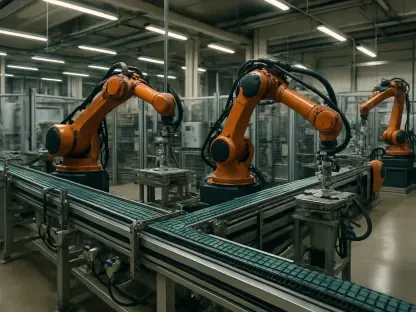
The current defense revolution is characterized by a rapid move toward digitized battlefields and autonomous platforms. Moving away from traditional, manpower-heavy doctrines, the military is now prioritizing drone swarms, autonomous underwater vehicles, and AI-driven command systems. The “iDEX” framework has been instrumental in this regard, acting as a bridge that allows small tech firms to pitch and prototype solutions directly for the armed forces. These advancements ensure that the military is prepared for the high-intensity, technology-centric conflicts that define the current decade.
Collaborative Security through the “Vishwa Mitra” Philosophy
Despite the heavy emphasis on self-reliance, the nation continues to champion the “Vishwa Mitra” philosophy, which views global cooperation as a cornerstone of stability. Rather than isolating its defense industry, India is actively seeking joint ventures and technology transfers with partners across the Pacific, Africa, and beyond. This approach provides an alternative to the often rigid and transactional defense relationships of the past, offering partners a more inclusive and transparent way to build collective security.
Navigating the Complexities of Hybrid Warfare and Cyberspace
As threats evolve into the digital realm, the focus has expanded to include comprehensive cybersecurity and space-based intelligence. The military is investing heavily in encrypted communication networks and satellite surveillance to counter hybrid threats that transcend physical borders. While these innovations present challenges regarding specialized human capital, they also position the nation as a key provider of secure digital infrastructure for other developing countries. This dual-purpose strategy ensures that domestic defense strength serves as a foundation for broader international engagement.
Emerging Trends and the Future of Defense Diplomacy
Looking forward, the role of defense attaches is expected to become even more central to the nation’s diplomatic outreach. These officials are increasingly acting as facilitators for industrial cooperation, helping to streamline the export of indigenous technology and foster long-term research ties. The market is also seeing a rise in dual-use technologies, where innovations developed for the military find successful applications in the civilian sector, further boosting economic growth.
Moreover, the expansion into space-based defense is set to accelerate, with a focus on providing low-cost satellite services to the Global South. As procurement cycles become shorter and more agile, the regulatory environment is adapting to support faster decision-making and more frequent international joint ventures. These trends suggest a future where the nation is not just a participant in the defense market but a primary architect of its technological standards.
Actionable Strategies for Global Defense Stakeholders
For international firms and investors, the current climate necessitates a move toward “co-development” rather than traditional sales. Establishing research centers within the country and integrating into the local supply chain are essential steps for any organization looking to participate in this growing market. Stakeholders should focus on niche areas such as high-altitude surveillance and ruggedized electronics, which remain high priorities for the domestic military. By aligning with the national goal of self-reliance, global entities can secure a sustainable and mutually beneficial presence in the region.
Securing Peace through Technological Leadership
The transition from a primary importer to a developer of world-class military technology was a landmark achievement that redefined the nation’s standing on the world stage. By successfully balancing the need for domestic autonomy with a commitment to global partnership, the government established a new model for national security. This strategic shift not only modernized the armed forces but also provided a template for other nations seeking to escape technological dependency. Ultimately, the focus on innovation served as a powerful stabilizer, ensuring that technological progress contributed to a more balanced and secure international order.