
As we dive into the dynamic landscape of India’s aviation sector, I’m thrilled to sit down with Kwame Zaire, a manufacturing expert with a deep focus on electronics, equipment, and production management. With his extensive background in predictive maintenance, quality, and safety, Kwame offers a unique perspective on how India’s ambitious aviation goals can transform infrastructure, economies, and communities over the coming decades. Today, we’ll explore the rapid expansion of airports and aircraft, the push for inclusivity in air travel, the urgent need for skilled pilots, and the innovative strides in domestic aircraft production. Join us as we unpack the challenges, opportunities, and groundbreaking collaborations shaping the future of flight in India.
What do you see as the broader impacts of India’s projected need for 200-300 additional aircraft by 2035 on infrastructure and local economies?
I think this kind of expansion is a game-changer for India, not just in terms of aviation but for the entire economic fabric. The addition of 200 to 300 aircraft means airports will need to scale up—runways, terminals, maintenance hangars, you name it. This isn’t just about building structures; it’s about creating thousands of jobs, from construction workers to air traffic controllers. I recall visiting a small regional airport under development a few years back, and the buzz in the town was palpable—local vendors were setting up shops, hotels were springing up, and young folks were training for aviation-related roles. Beyond infrastructure, the ripple effect touches industries like tourism and logistics, as better connectivity drives business. For every new route, you’re looking at a potential boost to local GDP, with small towns suddenly becoming accessible markets. It’s exciting, but it also demands meticulous planning to ensure these communities are ready for the influx.
How do you interpret the vision of making air travel accessible to even the most common citizens, and what hurdles must be overcome to achieve this?
The idea of making flying as commonplace as wearing simple sandals is incredibly powerful—it’s about democratizing a mode of transport that’s long been seen as elite. The UDAN scheme is a bold step, aiming to connect underserved regions with affordable flights, but the challenges are steep. For one, ticket prices must be slashed without compromising safety or quality, which means subsidies or innovative cost-cutting in operations. Then there’s the issue of infrastructure—many smaller towns lack the facilities to handle regular flights. I remember a story from a colleague about a remote region where a new air route opened, but the lack of ground transport to the airport meant locals still couldn’t use it easily. To make this vision real, we need a multi-pronged approach: public-private partnerships to fund infrastructure, streamlined regulatory processes for low-cost carriers, and community engagement to ensure last-mile connectivity. It’s a long road, but seeing those first flights take off in neglected areas would feel like a true triumph.
With the pilot shortage looming—needing to grow from 7,000 to 30,000 in a decade—what strategies would you suggest to bridge this gap?
This is a massive leap, and honestly, it’s a bit daunting when you think about the sheer numbers—going from 7,000 to 30,000 pilots in just ten years. The first step is expanding training capacity through dedicated aviation academies, partnering with private institutions to build simulator facilities and attract talent early, even from high schools. We could also look at fast-track programs for existing aviation professionals, like cabin crew with aptitude, to transition into pilot roles with intensive training. Government incentives, such as scholarships or loan programs, would make the career accessible to a broader demographic. I’ve seen successful models abroad where mentorship programs paired seasoned pilots with trainees, creating a pipeline of skilled professionals—something like that could work wonders here. Finally, leveraging technology for virtual training can scale efforts without needing physical infrastructure everywhere. It’s about building a culture of aviation careers, making it a dream job for the youth, not a distant fantasy.
What factors do you believe contributed to the rapid development of the Hansa-3 aircraft in just months after its technology transfer?
The speed at which the Hansa-3 came together is nothing short of remarkable, and I think it boils down to a perfect storm of talent, focus, and collaboration. The team at the National Aerospace Laboratories must have had a clear roadmap and exceptional coordination to hit the ground running within five or six months. Strong private-sector involvement likely played a role too, bringing in agile processes and resources that government bodies sometimes lack. I’ve been part of projects where cross-functional teams—engineers, manufacturers, and private partners—sat in the same room, hashing out problems in real time, and that kind of synergy cuts delays dramatically. There’s also a sense of national pride at play; when you’re working on something that symbolizes self-reliance, the motivation is visceral—you can feel the urgency in every meeting. It’s a testament to what’s possible when bureaucracy takes a backseat to innovation.
How does the increase in airports from 70 to over 130 since 2014 shape regional connectivity and economic growth in your view?
This expansion is a lifeline for regions that were once cut off from the economic mainstream. Going from 70 to over 130 airports means smaller cities are now on the map, fostering trade, tourism, and even migration for jobs or education. Connectivity drives growth—imagine a farmer in a remote area who can now ship perishable goods to a metro city in hours instead of days; that’s a direct boost to income. I’ve seen reports of specific regions where new airports led to a surge in local business—hotels, taxis, and small eateries popping up almost overnight. Key factors behind this growth include government policy like UDAN, private investment, and a push for inclusive development. But it’s not just numbers; it’s the stories of people taking their first flight, the pride in their eyes—that’s the real impact. The challenge now is ensuring these airports remain sustainable with consistent passenger traffic.
What role do public-private partnerships play in driving innovation in aviation, and can you share a personal experience that highlights this?
Public-private partnerships are the backbone of innovation in sectors like aviation, where the scale of investment and expertise needed is beyond any single entity. The government brings policy support and infrastructure, while private players inject efficiency, technology, and risk-taking appetite—together, they create breakthroughs. I was once involved in a project to upgrade manufacturing equipment for aerospace components, where a government lab provided the research base, but a private firm streamlined production with cutting-edge automation. We faced hurdles, like aligning timelines and quality standards, but the outcome was a 30% reduction in production time, which was measurable on the balance sheet. These collaborations aren’t just about money; they build trust and shared goals. When I saw the first batch of components roll out, there was a collective cheer in the factory—it felt like we’d all won together.
Considering the plan to produce 100 aircraft annually with a Rs 150 crore investment, what are the biggest challenges in scaling production while maintaining quality?
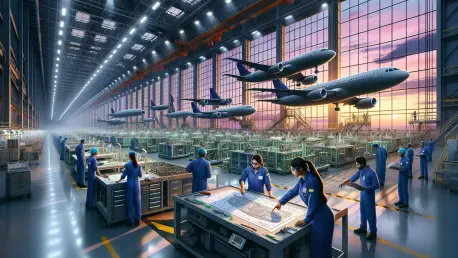
Scaling to 100 aircraft a year with a Rs 150 crore investment is ambitious, but the hurdles are significant. First, there’s the supply chain—sourcing high-quality materials at scale without cost overruns is a logistical nightmare, especially with global disruptions. Then, maintaining quality control across such volume demands rigorous processes and skilled labor, which isn’t always readily available. I remember a project where scaling production led to minor defects slipping through, costing us weeks in rework; it was a hard lesson in not rushing training. Balancing cost and quality means investing in automation for consistency while keeping a human eye on critical checks. With Rs 150 crore, prioritizing robust testing facilities over sheer output might be wiser initially. It’s a tightrope, but if done right, the smell of fresh paint on those first few aircraft rolling out will be worth every sleepless night.
What importance do you see in the development of high-altitude UAVs for trials at 20 km by 2027, and what technical challenges stand out?
High-altitude UAVs reaching 20 km by 2027 could revolutionize both defense and civilian applications in India. For defense, they offer unparalleled surveillance and strategic advantage, while civilian uses like weather monitoring or disaster response could save lives. The technical challenges, though, are immense—designing systems to withstand extreme cold, low pressure, and thin air at that altitude requires cutting-edge materials and propulsion tech. Power supply is another hurdle; solar or hybrid systems might be needed, but they’re tricky to perfect. I’ve followed similar projects where teams struggled with battery endurance, losing drones mid-test—it’s frustrating to watch months of work crash in seconds. Yet, the potential to see India lead in this space, with drones silently guarding borders or aiding remote rescues, gives me chills. It’s a bold goal, and the grit to achieve it will define the next era of tech.
How can increased visibility through social media and public outreach inspire the next generation to pursue careers in aviation and science?
Social media and outreach are powerful tools to ignite passion in young minds for aviation and science. Platforms like short videos or live demos can show the thrill of engineering a plane or coding a drone, making these fields feel tangible rather than abstract. I’d suggest initiatives like virtual tours of labs, Q&A sessions with scientists, or challenges where students design mini aircraft models—make it fun and interactive. I once attended a STEM event where kids got to control a small UAV; their wide-eyed excitement as it took off was unforgettable, and many later said they wanted to be engineers. Storytelling matters too—share the journey of a project like Hansa-3 in bite-sized, relatable clips. If we can capture that spark early, we’re not just inspiring individuals; we’re building the workforce of tomorrow.
Looking at the alignment of aviation growth with the goal of self-reliance, what critical steps are needed to reduce foreign dependency in this sector?
Achieving self-reliance in aviation under the Aatmanirbhar Bharat mission is a noble target, but it requires a strategic overhaul. First, we need to bolster domestic R&D by funding innovation hubs focused on aircraft design and components—every part made here cuts reliance on imports. Second, incentivizing local manufacturers through tax breaks or grants can build a robust supply chain. Third, fostering talent through specialized education programs ensures we have the brains to sustain this growth. I’ve seen small local firms step up with homegrown solutions for aerospace electronics, and the pride in their workshops was infectious; they were proving we don’t always need foreign tech. A roadmap would start with policy support, move to public-private incubators for startups, and end with global certification of Indian-made products. If we can board a fully Indian aircraft one day, that sense of ownership will be a victory beyond economics. So, what is your forecast for the future of self-reliance in India’s aviation sector over the next decade?