
From Construction Sites to Combat Zones a New Industrial Lifeline
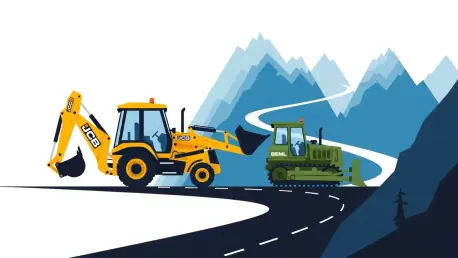
A quiet but powerful transformation is reshaping India’s industrial landscape, as the hum of construction machinery increasingly blends with the nation’s call of duty. Driven by a strategic imperative to fortify its borders and champion self-reliance, the Indian government is turning to domestic equipment manufacturers to supply its defense forces. This deliberate pivot is creating a substantial and previously untapped revenue stream for industry giants like JCB India, Action Construction Equipment (ACE), and Bharat Earth Movers (BEML). This article explores the symbiotic relationship between national security objectives and industrial growth, analyzing how the ‘Make in India’ initiative is not just a slogan but a tangible force turning construction gear makers into crucial partners in the country’s defense ecosystem.
The Strategic Pivot From Import Dependency to Domestic Empowerment
For decades, India’s defense procurement was heavily reliant on international suppliers, creating vulnerabilities in its supply chain and draining foreign exchange reserves. However, heightened geopolitical tensions and an urgent need to develop robust, all-weather infrastructure along its vast borders have catalyzed a fundamental policy shift. The government’s concurrent emphasis on import substitution, a cornerstone of its self-reliance mission, has paved the way for local companies to step into this critical space. This strategic change, supported by collaborations with the Defence Research & Development Organisation (DRDO) to facilitate technology transfer, is not merely about cost savings; it is about building sovereign capability, ensuring long-term operational readiness, and integrating the nation’s industrial prowess with its security apparatus.
The Key Players Answering the Call of Duty
Action Construction Equipment ACE Forging a New Frontier
Action Construction Equipment (ACE) stands as a prime example of a company capitalizing on this strategic pivot. The firm is set to deliver a massive order of 1,121 rough-terrain forklift trucks, critical for military logistics, following earlier contracts for specialized forklifts and heavy-duty cranes. ACE is also supplying backhoe loaders directly to the Border Roads Organisation (BRO) for its infrastructure projects. “Earlier most of the equipment for use by the defence forces used to be imported,” notes Sorab Agarwal, Executive Director at ACE. “We have since developed capabilities locally.” While acknowledging that certain specialty materials like high-grade steel are still imported, he affirms that this pivot is fundamentally reshaping the company’s outlook. The share of defense in ACE’s total revenue is projected to more than double to over 5% in the coming years, transforming it from a marginal client into a core business vertical.
JCB India Building Capacity Beyond Machinery
JCB India’s contribution highlights that this industrial partnership extends beyond simple manufacturing. While the company secured a major order for 747 telehandlers from the defence ministry, its deeper involvement is in capacity building. According to Managing Director Deepak Shetty, JCB India is actively training 400-500 operators for the defense forces, ensuring the machinery is deployed effectively and safely in challenging conditions. The company is also an innovation hub, developing new telehandler variants tailored to the military’s specific needs and collaborating with the DRDO on specialized projects. This holistic approach is paying dividends, with JCB India expecting its revenue share from the defense and railway sectors to double from its current 10% over the next five years, cementing its role as a long-term strategic partner.
BEML Powering Mobility in Challenging Terrains
Public sector undertaking Bharat Earth Movers (BEML) further illustrates the breadth of this domestic sourcing drive. The company has secured contracts worth over ₹761 crore to supply a diverse range of equipment, including high-mobility vehicles (HMVs) essential for troop and equipment transport in difficult terrains, and powerful bulldozers for construction and engineering tasks. BEML’s success underscores that the move toward self-reliance encompasses the entire spectrum of required machinery, from logistics and support vehicles to heavy-duty earthmovers. This engagement of both private and public sector giants creates a robust, competitive, and multifaceted domestic defense-industrial ecosystem capable of meeting the nation’s varied needs.
Charting the Future Self Reliance as the New Bedrock
The current surge in orders is not a temporary boom but the beginning of a long-term, systemic shift. The foundation is being laid for a future where India’s defense preparedness is intrinsically linked to its domestic manufacturing strength. This trend will likely spur further innovation, with deeper public-private partnerships fostering the development of next-generation, specialized equipment. As Indian companies gain expertise and scale in meeting the stringent requirements of their own armed forces, they are also positioning themselves to become competitive exporters of defense-grade engineering equipment, potentially serving other nations seeking reliable, cost-effective solutions. This evolving ecosystem—encompassing manufacturing, R&D, and skilled human resources—is rapidly becoming a strategic national asset.
Strategic Takeaways Fortifying Borders and Balance Sheets
The analysis presents several clear takeaways. First, geopolitical imperatives, when aligned with sound industrial policy, can become powerful catalysts for economic growth and technological advancement. Second, Indian manufacturers have demonstrated the agility and capability to meet the high standards of the defense sector, effectively transitioning from civilian to strategic production. For businesses, this opens a stable, high-value, and long-term market insulated from the cyclical downturns of the commercial construction sector. For policymakers, it serves as a powerful validation of the ‘Make in India’ and ‘Atmanirbhar Bharat’ initiatives. The path forward requires sustained policy support, streamlined procurement processes, and continued investment in R&D to maintain this momentum.
A Nation Building Its Defenses from the Ground Up
In conclusion, India’s defense push has infused a new sense of purpose and a wave of fresh energy into its local gear makers. The synergy between strengthening national security and empowering domestic industry has created a virtuous cycle of growth, innovation, and self-reliance. What was a negligible revenue source just a few years ago has now become a critical business vertical, providing a buffer against market slowdowns while contributing directly to national sovereignty. India is fortifying its future not only with soldiers and advanced weaponry but also with the foundational machinery that builds and sustains its strategic lifelines—all forged by the strength of its own industrial hands.