
A New Dawn for Indigenous Aviation: The Dhruv NG’s Debut
In a landmark moment for India’s aerospace ambitions, the new Dhruv NG civil helicopter, a next-generation platform from Hindustan Aeronautics Limited (HAL), successfully completed its inaugural flight. Flagged off by Union Civil Aviation Minister Ram Mohan Naidu in Bengaluru, the launch represents a critical step in India’s journey toward “Aatmanirbhar Bharat” (a self-reliant India) and signals HAL’s determined entry into the competitive civil aviation market. This article explores the strategic significance of this milestone, delves into the helicopter’s advanced capabilities, and analyzes its potential to reshape India’s rapidly growing aviation landscape. It is a story not just of a new aircraft, but of a nation’s burgeoning confidence in its own technological prowess.
From Defense Bastion to Civil Contender: HAL’s Strategic Pivot
For decades, Hindustan Aeronautics Limited has been the backbone of India’s military aviation, operating primarily as a defense-focused enterprise. Minister Naidu articulated this history with a powerful metaphor, describing the company as a bicycle that had long relied on the single “wheel” of defense manufacturing. The launch of the Dhruv NG marks a fundamental transformation, balancing the organization with the “second wheel” of civil aviation. This strategic pivot is driven by the explosive growth of India’s domestic air travel market—now the third-largest in the world—fueled by government initiatives like the UDAN scheme, which aims to make flying accessible to the common citizen. As demand surges, the need for domestically produced aircraft has become a national priority, creating the perfect impetus for HAL to leverage its extensive experience for the civil sector.
Unpacking the Dhruv NG: A Leap in Technology, Versatility, and Market Strategy
Engineering Excellence: Advanced Features and Performance
The Dhruv NG is a testament to India’s growing engineering capabilities, meticulously designed to meet rigorous global civil aviation standards while mastering the nation’s diverse and often challenging terrain. At its core are twin Shakti 1#C engines, which received their type certificate from the Directorate General of Civil Aviation (DGCA) in a moment the minister called “defining.” These powerful, indigenously supported engines enable the 5.5-tonne helicopter to reach speeds of 285 km/h, operate at altitudes up to 6,000 meters, and carry a 1,000 kg internal payload. Pilot situational awareness is maximized through a world-class, civil-certified glass cockpit, while safety is paramount, with features like crashworthy seats, self-sealing fuel tanks, and the inherent redundancy of a twin-engine design.
The Apex of Adaptability: Multi-Mission Configurations
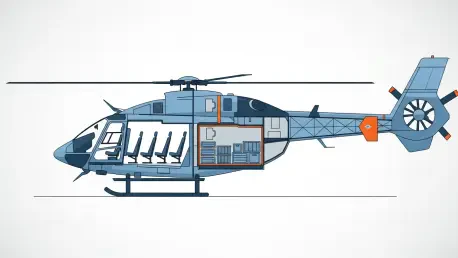
A key strength of the Dhruv NG lies in its exceptional versatility. Its highly configurable 7.33 cubic meter cabin, equipped with an advanced vibration control system for passenger comfort, can be rapidly adapted for a wide array of missions. For VIP transport, it can be luxuriously appointed for four to six passengers, with a high-density configuration accommodating up to 14. In a Helicopter Emergency Medical Service (HEMS) or air ambulance role, it can carry four stretchers plus medical personnel, a critical capability for enhancing healthcare access in remote regions. This adaptability extends to other vital roles, including offshore operations for the energy sector, law enforcement, and disaster relief, making it a true multi-role asset for a developing nation.
Capturing the Skies: Addressing India’s Surging Helicopter Demand
The launch of the Dhruv NG is strategically timed to capitalize on a massive market opportunity. Projections indicate that India will require over 1,000 new helicopters in the next 10 to 15 years to support regional connectivity and economic growth. Until now, this demand would have been met almost exclusively through imports. HAL has positioned the Dhruv NG as a high-performance, cost-effective domestic alternative poised to capture a significant share of this burgeoning market. By offering an indigenous solution, HAL not only supports the national self-reliance agenda but also provides operators with the strategic advantages of in-country maintenance, support, and a more resilient supply chain, reducing long-term operational dependencies on foreign manufacturers.
Charting the Future: The Dhruv NG’s Role in a Self-Reliant Aviation Ecosystem
The successful flight of the Dhruv NG is more than a singular achievement; it is a catalyst for the future of India’s entire aerospace ecosystem. Its development and certification demonstrate an end-to-end capability in designing, manufacturing, and validating complex aviation technologies, including critical components like the Shakti engine. This success is expected to spur further innovation and investment in the domestic supply chain, fostering a network of Indian companies capable of producing world-class aerospace components. Looking ahead, the Dhruv NG platform not only strengthens India’s internal capabilities for transport and emergency services but also holds significant potential for export to other developing nations seeking reliable and affordable multi-role helicopters.
Key Takeaways and Strategic Imperatives for Stakeholders
The analysis of the Dhruv NG’s debut reveals several major takeaways. First, HAL’s strategic expansion into the civil sector is a well-executed move that aligns with national priorities and market realities. Second, the helicopter’s blend of advanced technology, robust performance, and multi-mission versatility makes it a formidable contender in its class. Finally, its launch underscores the tangible progress of the “Aatmanirbhar Bharat” initiative in a high-technology domain. For potential operators—including state governments, private enterprises, and emergency service providers—the key recommendation is to seriously evaluate the Dhruv NG as a viable, long-term solution that offers both performance and strategic economic benefits. For policymakers, the imperative is to continue fostering a supportive regulatory and financial environment to build upon this momentum.
A Symbol of Ascent: More Than Just a Helicopter
In conclusion, the inaugural flight of the Dhruv NG civil helicopter is far more than a technical demonstration. It is a powerful symbol of India’s industrial and technological ascent. This aircraft embodies a national vision, transforming the goal of self-reliance from a slogan into a tangible reality soaring through the skies. By successfully bridging the gap between its defense origins and the demands of the civil market, HAL has not only launched a new product but has also charted a new course for India’s aerospace industry. As the Dhruv NG prepares to enter service, it carries with it the promise of enhanced connectivity, improved emergency response, and a future where India is not just a consumer but a creator of world-class aviation technology.