
The global landscape of defense aviation is currently witnessing a tectonic shift as nations move away from mere assembly toward the complex mastery of homegrown intellectual property. While many countries have historically operated as satellite manufacturers for major global powers, the current geopolitical climate necessitates a radical departure from this reliance. The indigenous aerospace manufacturing sector is no longer just a project of national pride; it has become a critical necessity for maintaining operational readiness in a world where supply chains are increasingly weaponized. By focusing on the transition from building airframes to developing the “brain” and “heart” of the aircraft—avionics and engines—modern aerospace initiatives are redefining what it means to be a sovereign power.
Evolution of Domestic Aerospace Production
The journey toward strategic autonomy began with the realization that licensed production is often a gilded cage. For decades, domestic facilities focused on assembling foreign designs, a process that provided industrial jobs but left the host nation with little understanding of the underlying physics and engineering. This model created a profound dependency on foreign Original Equipment Manufacturers (OEMs) for every critical update or replacement part. Consequently, when geopolitical tides shifted, entire fleets risked being grounded due to lack of support.
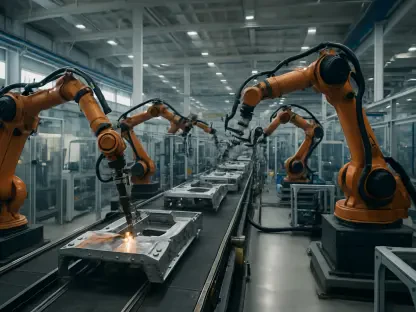
Transitioning to independent manufacturing requires a complete overhaul of the industrial mindset. It involves moving from a “build-to-print” approach to a “design-to-requirement” philosophy. This shift is essential because it allows for the creation of resilient supply chains that are immune to external sanctions. By fostering a localized ecosystem, a nation ensures that its defense capabilities are not subject to the whims of foreign suppliers, thereby securing its technological landscape for the long term.
Foundations of Self-Reliant Aerospace Systems
Advanced Material Science and Smart Materials
At the core of this industrial revolution lies material science, particularly the development of adaptive substances like shape memory alloys. Unlike traditional aluminum or titanium, these smart materials can change their physical properties in response to temperature or electrical stimuli. This capability allows for the creation of components that can heal themselves or adjust their geometry mid-flight. Such innovations are not just incremental; they represent a fundamental change in how aircraft interact with their environment.
The practical application of these materials is most evident in the development of morphing wings. By eliminating the need for heavy mechanical hinges and hydraulic actuators, engineers can design wings that change shape seamlessly to optimize lift and drag. This reduces fuel consumption and increases the stealth profile of the aircraft. This leap in performance is what differentiates indigenous systems from older, foreign-licensed platforms, offering a level of agility that competitors simply cannot match.
Avionics and High-Tech Aggregates
Developing indigenous avionics is arguably the most difficult hurdle in achieving true independence. These systems represent the central nervous system of any modern fighter jet, managing everything from radar tracking to electronic warfare. Historically, these high-tech aggregates were supplied as “black boxes” by foreign partners, meaning domestic engineers could use them but never understand or modify their internal logic. Breaking these seals is the only way to ensure that a nation’s defense hardware cannot be remotely deactivated or compromised.
Current efforts focus on replacing these foreign kits with localized hardware that utilizes open-architecture software. This allows for rapid updates and the integration of diverse sensor suites without needing permission from a third party. When a nation controls its own avionics, it gains the ability to customize its electronic signatures and encryption protocols, providing a massive tactical advantage in modern, network-centric warfare.
Emerging Trends in Military Aviation Technology
A significant trend currently reshaping the industry is the adoption of “mission mode” execution for prototype development. Rather than getting bogged down in decades of bureaucratic oversight, new projects are being fast-tracked through integrated teams of scientists, pilots, and manufacturers. This agile approach ensures that by the time a system is ready for mass production, its technology is still relevant. In a field where hardware can become obsolete in less than five years, speed is as critical as the engineering itself.
Furthermore, adaptive manufacturing is replacing traditional casting and machining. Using 3D printing with aerospace-grade metal powders allows for the creation of complex internal geometries that were previously impossible to manufacture. This technology enables the production of lightweight, high-strength parts on demand, which is particularly useful for maintaining older fleets where the original tooling no longer exists.
Strategic Applications in Defense and Sustenance
The real-world impact of these technologies is most visible within the operations of the Indian Air Force and its associated Base Repair Depots (BRDs). These facilities have evolved from simple maintenance shops into sophisticated engineering hubs. By utilizing indigenous repair overhaul technologies, they are now capable of extending the life of airframes far beyond the original manufacturer’s specifications. This capability is vital for managing the transition period as older, foreign jets are phased out in favor of new, domestic platforms.
Moreover, these depots are increasingly acting as the primary integrators for domestic sensors on foreign platforms. This “hybridization” strategy allows the air force to maintain a technological edge even with legacy equipment. By embedding indigenous sub-systems into existing fleets, the military creates a bridge that sustains combat power while the broader ecosystem for completely domestic aircraft matures.
Technical and Regulatory Obstacles
Despite significant progress, the sector faces a “triad” of daunting challenges: low production volumes, high variety of components, and an absolute zero-tolerance policy for failure. Unlike the automotive industry, which benefits from massive economies of scale, aerospace manufacturing often requires building only a few dozen units of a highly complex machine. This makes it difficult to attract private investment and keep unit costs manageable.
Regulatory hurdles also remain a significant bottleneck. Securing airworthiness certification for a new material or a software-defined radio is a grueling process that requires thousands of hours of testing. The risk of rapid technological obsolescence means that if the certification process is too slow, the technology may be outdated before it ever sees combat. Balancing the need for rigorous safety with the demand for rapid deployment is a constant struggle for policymakers.
Future Outlook and Technological Sovereignty
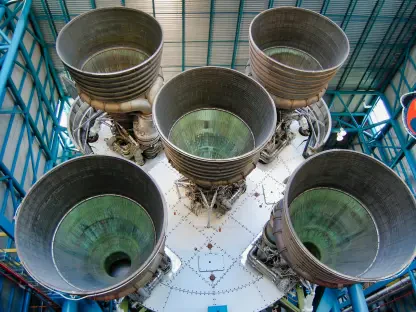
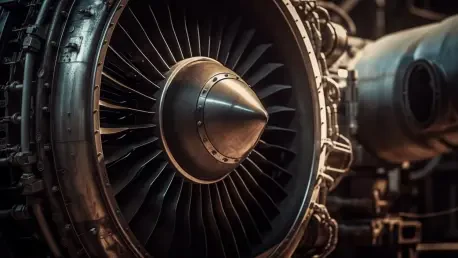
The trajectory of indigenous aerospace is moving toward the total elimination of OEM dependency. Breakthroughs in compact actuation systems and localized engine cores are finally beginning to close the gap with global leaders. As these systems become more reliable, the focus will shift toward creating a completely independent aerospace ecosystem that can compete on the global export market. This is no longer about just filling a gap in the national inventory; it is about becoming a provider of security rather than a consumer of it.
Achieving this level of technological sovereignty will fundamentally alter a nation’s standing on the world stage. By controlling the entire lifecycle of an aircraft—from the raw material science to the final flight control software—a country ensures that its national security is never a bargaining chip in international diplomacy. The long-term impact will be a more resilient defense posture and a more robust high-tech industrial base.
Summary of the Indigenous Aerospace Landscape
The shift from being a passive recipient of foreign technology to an active creator of aerospace solutions marked a definitive turning point for the industry. Success was achieved by prioritizing material science and avionics over simple structural assembly, allowing for the creation of platforms that are both unique and resilient. While technical hurdles regarding scale and certification persisted, the strategic benefits of maintaining localized intellectual property far outweighed the initial costs. Looking forward, the focus moved toward integrating artificial intelligence into flight systems and perfecting localized propulsion, ensuring that the next generation of aircraft would be born entirely from a sovereign vision. This evolution successfully transformed the national defense strategy into a self-sustaining engine of innovation.