
Maruti Suzuki is not simply launching an electric car; it is meticulously engineering a comprehensive EV ecosystem aimed at earning the confidence of the Indian consumer. Recognizing that early industry challenges have made buyers hesitant, the company’s long-term strategy extends far beyond the upcoming e-Vitara. The core of its plan is to systematically build a trustworthy environment by addressing foundational consumer anxieties, localizing production, and developing robust support infrastructure before scaling up. This deliberate and multi-pronged approach signals a calculated, long-term investment designed to shift the market mindset and establish a sustainable foundation for electric mobility in India.
A Strategy Centered on Overcoming Doubt
Tackling the Trust Deficit
The primary hurdle Maruti Suzuki has identified is the pervasive view of electric vehicles as secondary modes of transport rather than reliable primary family cars. This consumer apprehension is not without cause, stemming from deep-seated concerns about driving range and the conspicuous scarcity of dependable public charging stations. The company acknowledges that a wave of “negativity” generated by the initial, and often challenging, experiences with early EV models has made potential buyers profoundly risk-averse. This hesitation has led to a widespread unwillingness to depend on an EV as a sole vehicle. Consequently, the company’s strategy is heavily weighted toward systematically dismantling these fears, not through marketing alone, but through tangible, real-world solutions. The objective is to transform the narrative around EVs from one of compromise and anxiety to one of confidence and reliability, thereby making the electric car a viable and desirable choice for the average Indian household’s main transportation needs.
Leveraging its long-standing reputation for reliability in the internal combustion engine market, Maruti Suzuki aims to transfer this legacy of trust into the electric vehicle space. The company understands that winning over the Indian consumer is less about showcasing futuristic technology and more about demonstrating a deep understanding of their practical concerns. This involves a fundamental shift in approach, moving beyond a product-centric model to an ecosystem-centric one. The strategy is built on the belief that customer confidence is the most critical component for mass EV adoption. By methodically addressing each pain point—from charging availability to after-sales service and long-term value—the company is building a case that its electric vehicles will be just as dependable and user-friendly as its gasoline-powered counterparts. This psychological groundwork is considered as important as the engineering of the vehicles themselves, aiming to build a secure bridge for customers to cross from fossil fuels to electric mobility without feeling like they are taking a leap of faith.
Building a Tangible Support System
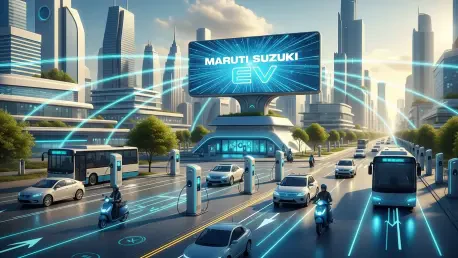
To directly counter the prevalent anxieties surrounding EV ownership, Maruti Suzuki is making a substantial and visible investment in creating a comprehensive support network. A cornerstone of this initiative is an ambitious expansion of charging infrastructure designed to make “range anxiety” a relic of the past. The plan includes upgrading 1,500 of its existing workshops across 1,100 cities to be fully EV-enabled, a process that has already resulted in the installation of 2,000 charging points. This immediate action provides a foundational network of service and charging capabilities. The long-term vision is exponentially more ambitious, targeting the establishment of approximately 100,000 charging stations by the year 2030. This massive undertaking will be achieved through strategic partnerships with its extensive dealership network and collaborations with specialized charging point operators. This physical, on-the-ground presence is designed to provide consumers with the tangible and accessible proof that the infrastructure needed to support their EV lifestyle is not just a promise but a rapidly growing reality.
The development of this robust ecosystem goes beyond simply installing charging points; it involves a holistic approach to service and support that leverages the company’s existing strengths. The decision to make its vast network of workshops EV-ready is a strategic move to ensure that reliable after-sales service—a traditional hallmark of the Maruti Suzuki brand—is available from day one. This addresses a critical concern for potential buyers: the availability of skilled technicians and genuine parts for a new and complex technology. By integrating EV service into its established network, the company is assuring customers that their ownership experience will be seamless and supported throughout the vehicle’s lifecycle. This comprehensive support structure, combining a dense charging network with a trusted service backbone, is crucial for building the long-term confidence required to convince millions of consumers to make the transition to electric mobility and to view Maruti Suzuki as the most dependable partner in that journey.
Mitigating Financial Risks
A significant component of Maruti Suzuki’s strategy is the proactive mitigation of the financial uncertainties that deter many potential EV buyers. Recognizing that the total cost of ownership and, critically, the future resale value are major considerations in the Indian market, the company is developing innovative financial products to create a secure ownership experience. Chief among these are “assured buyback” programs. This initiative directly confronts the widespread consumer anxiety about the rapid depreciation of EV assets, a fear fueled by the fast-evolving nature of battery technology. By guaranteeing a specific resale value for the vehicle after a set period, Maruti Suzuki effectively removes a large portion of the financial risk from the customer. This financial safety net makes the higher upfront cost of an electric vehicle a more palatable and predictable investment, transforming a potentially risky purchase into a more secure and calculated decision for the average car buyer.
In addition to securing long-term value, the company is also working to lower the initial barrier to entry through the introduction of flexible “subscription schemes.” These programs offer an alternative to the traditional model of outright vehicle purchase, providing consumers with access to an EV for a recurring fee without the burdens of a large down payment, long-term financing, or concerns about depreciation and maintenance. This model is particularly appealing in a market where a high initial investment can be prohibitive for a large segment of the population. By offering a more accessible, lower-commitment path to EV adoption, Maruti Suzuki is catering to a modern consumer base that values flexibility and convenience. These financial solutions, when combined, are designed to alleviate the key monetary anxieties associated with EV ownership, making the transition to electric mobility not only technologically viable but also financially prudent and accessible to a broader audience.
Laying the Groundwork for a Sustainable Future
Strengthening the Supply Chain Through Localization
A foundational pillar of Maruti Suzuki’s long-term EV strategy is a deliberate and phased plan for the localization of critical components, with a primary focus on battery manufacturing. While the company currently imports batteries for its initial models, such as the export-version e-Vitara, it has established a detailed roadmap for shifting production to India over the next several years. This strategic pivot is driven by several key objectives. First, it aims to build a self-reliant and robust domestic EV supply chain, reducing India’s dependence on foreign imports for the most expensive and crucial component of an electric vehicle. Second, domestic production is expected to lead to significant cost reductions over the long term, which can then be passed on to consumers, making EVs more affordable. Finally, this move is designed to insulate the company from the kind of global supply chain volatility and geopolitical risks that have disrupted industries worldwide, thereby fostering greater stability and building confidence in the long-term viability of its products.
This commitment to localization extends beyond just battery packs to encompass a wider array of essential EV components. The goal is to cultivate a complete and indigenous ecosystem that supports the entire lifecycle of the vehicle, from manufacturing to after-sales service. By fostering a network of local suppliers and investing in domestic production capabilities, Maruti Suzuki is contributing to the development of a skilled workforce and a resilient industrial base within the country. For the consumer, this strategy translates into tangible benefits that reinforce brand trust. A vehicle built with locally sourced components promises better and faster availability of spare parts, potentially leading to lower repair costs and reduced downtime. This approach directly aligns with the company’s long-standing reputation for providing reliable vehicles with excellent service support, ensuring that its foray into electric mobility is built on the same foundation of customer-centricity and long-term sustainability that has defined its success in the past.
A Cautious and Calculated Product Rollout
Maruti Suzuki has outlined a clear yet pragmatic product roadmap for its entry into the electric vehicle segment, planning to introduce a diverse portfolio of five distinct EV models by the fiscal year 2030. This strategy is designed to capture a significant portion of the market, which industry projections estimate could see EV penetration reach 13–15 percent of a total passenger vehicle market of 5.5 to 6 million units annually. The initial launch of the e-Vitara, which has already been exported in significant numbers to 26 global markets, serves as a crucial prelude to the domestic rollout. This export-first approach allows the company to gain invaluable production experience, refine its manufacturing processes, and gather real-world performance data in a variety of conditions. It functions as a strategic, low-risk trial run, ensuring that by the time the vehicle is introduced to the high-stakes Indian market, it will have been thoroughly tested and optimized.
Despite its ambitious product pipeline, the company has maintained a flexible and data-driven outlook, demonstrating a cautious and adaptive approach to the evolving market. Senior executives have noted that all forecasts will be re-evaluated in the coming financial year, particularly in light of recent changes to the Goods and Services Tax (GST) framework. Reports suggesting a potential decline in EV penetration following these policy shifts have prompted a need for a careful reassessment of market dynamics. This willingness to adjust course based on real-world data, rather than adhering rigidly to long-term projections, underscores a mature and calculated strategy. The company’s path forward was therefore defined not by a rushed market entry, but by a methodical investment in solving foundational problems first, ensuring that when it fully commits to the domestic EV space, it does so from a position of strength, confidence, and unparalleled market readiness.