
The aural roar of jet engines and the quiet hum of advanced simulators at Changi International Airport recently signaled more than just a trade event; they heralded the arrival of a new chapter in global aviation. The 10th Singapore Air Show convened as Asia’s premier aerospace and defense exhibition, drawing a powerful consortium of over 1,000 companies from 50 nations to unveil the technologies and strategies that will define the skies for years to come. This gathering served not only as a marketplace but as a critical barometer for the health and trajectory of the entire sector.
As a crucial gateway to the booming Asia-Pacific market, the show provided a unique vantage point from which to observe the industry’s most pressing dynamics. The event’s agenda was shaped by three core narratives that permeated the exhibition halls and aerial displays: the strategic positioning of military titans, the fundamental reshaping of commercial air travel, and the nascent but undeniable dawn of disruptive flight technologies that promise to revolutionize mobility itself.
Dissecting the Innovations and Rivalries Defining Modern Aviation
The Cutting Edge of Air Power Where Stealth and Strategy Converge
The showcase of fifth-generation military hardware underscored a clear focus on advanced capabilities, led by the prominent display of the USAF’s F-35 Lightning II. Observers noted that its presence, complete with a hyper-realistic cockpit simulation, was a powerful statement on the importance of stealth, data fusion, and interoperability in modern aerial combat. The aircraft stood as a centerpiece demonstrating the pinnacle of current air power technology.
Complementing this, dynamic aerial demonstrations by the Singapore Armed Forces’ AH-64 Apache and F-16 served as a testament to regional defense readiness. These displays were widely interpreted not just as an exhibition of pilot skill but as a reflection of deep technological integration and strategic alliances. The presence of such advanced platforms signaled a collective focus on maintaining air superiority and stability within an increasingly complex geopolitical landscape.
A New Contender Enters the Commercial Arena The Shifting Skies of Passenger Travel
Intensified competition within the lucrative single-aisle market was a dominant theme, with China’s COMAC C919 taking center stage as an ambitious challenger to the established Airbus-Boeing duopoly. The aircraft’s prominent promotion throughout the event was seen by industry analysts as a clear signal of intent to capture significant market share, beginning with the Asia-Pacific region.
This development highlighted the industry’s dynamic state, contrasting the latest offerings from legacy giants like Airbus, Boeing, and Bombardier with the aggressive market entry of emerging manufacturers. The dialogue on the show floor indicated that this new competitive landscape presents both significant risks and opportunities, potentially driving innovation while also creating new pressures on global supply chains and established manufacturing hubs.
Beyond the Jet Engine Charting the Future of Urban and Autonomous Flight
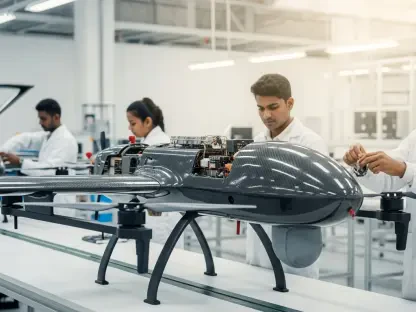
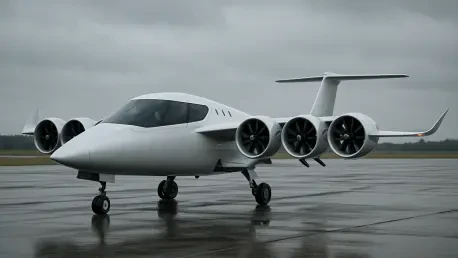
The technologies that captured the most forward-looking attention were those poised to operate outside of traditional airports. Experimental air taxis and a diverse array of unmanned aerial vehicles (drones) stole the spotlight, moving from conceptual drawings to tangible prototypes and signaling a credible push toward a new dimension of mobility.
These innovations are positioned to redefine logistics, transportation, and urban planning by opening previously untapped markets for aerial solutions. The conversations at the event challenged conventional views of air travel, shifting from theoretical potential to the practical hurdles of regulation, infrastructure, and public acceptance that must be overcome to integrate these next-generation vehicles into daily life.
The Simulator Revolution Redefining Pilot Training and Aircraft Development
Advanced flight simulators played a pivotal role, showcased not merely as training aids but as indispensable platforms for research, development, and complex mission rehearsal. Industry insiders emphasized that simulation is no longer a secondary tool but a core component of the aviation ecosystem, enabling safer and more rapid progress.
The hyper-realistic environments on display demonstrated how modern simulation is accelerating the certification of new aircraft and elevating safety standards across both commercial and military sectors. This technology offers a cost-effective, versatile, and data-rich alternative to traditional training methods, allowing for the rehearsal of high-risk scenarios without endangering personnel or equipment.
Strategic Imperatives for the Evolving Aerospace Landscape
The event’s key takeaways crystallized around three distinct trends: the persistent strategic importance of advanced defense platforms, the undeniable fragmentation of the commercial aircraft market, and the tangible emergence of autonomous aviation. Each of these currents demands a strategic response from stakeholders across the industry.
For industry players, the implications are clear. Legacy manufacturers must adapt their strategies to counter nimble, state-backed competitors, while investors can identify new opportunities in the burgeoning urban air mobility market. Aerospace professionals must leverage these insights to anticipate market shifts, innovate their business models, and prepare for a fundamentally different aviation ecosystem where agility and technological foresight are paramount.
The Final Ascent Projecting the Future from the Singapore Air Show Floor
The Singapore Air Show reaffirmed its role as more than a marketplace; it was a crucial indicator of the technological and economic trajectories that will shape the next decade of flight. The trends observed were not fleeting but represented permanent shifts in the global aerospace landscape.
The heightened geopolitical tensions reflected in advanced military hardware and the democratization of the skies promised by new mobility solutions left a lasting impression. The innovations and rivalries showcased in Singapore acted as a catalyst, launching a new era of aviation that was defined by fiercer competition, rising sustainability demands, and an unwavering technological audacity.