
A Monumental Achievement in Commercial Electrification
Surpassing 20 million cumulative miles is a feat that few in the electric vehicle sector can claim, yet Workhorse Group has reached this threshold, signaling a massive shift in how North American logistics operate. This milestone is not merely a numerical achievement; it represents a decade of rigorous real-world testing, iterative engineering, and proof of concept for medium-duty electrification. As the industry moves from pilot programs to full-scale adoption, this progress provides a roadmap for a future where tailpipe emissions are a relic of the past.
The Evolution of Workhorse and the Commercial EV Landscape
The journey to this point began when the market for electric trucks was largely theoretical and filled with skepticism regarding battery longevity. Historically, the transition was hindered by high entry costs, but by maintaining over 1,100 vehicles in active service, Workhorse has moved beyond the “early adopter” phase. This context is vital because it highlights the transition from experimental technology to a reliable alternative for internal combustion engines. It provides the long-term performance metrics that fleet managers require to justify large-scale capital investments today.
Strategic Insights from Real-World Operations
Leveraging Direct Fleet Ownership for Technical Optimization
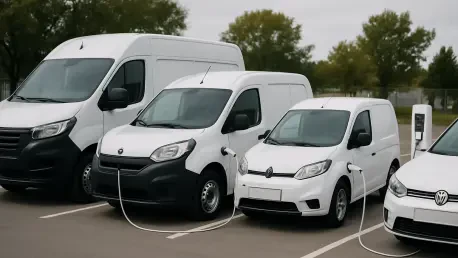
One of the most critical aspects of this success is the ownership of “Stables by Workhorse,” an independent service provider for FedEx Ground. By operating a fleet of electric and traditional vans in the demanding climate of Ohio, the company gains firsthand verification of performance in extreme weather. This direct feedback loop allows engineers to optimize battery software and vehicle ergonomics based on actual driver experiences. These insights significantly reduce the total cost of ownership by identifying maintenance issues before they impact the broader customer base.
Building Partnerships with North American Industry Leaders
The depth of market presence is further evidenced by strategic partnerships with major players such as Purolator, Cintas, and Vestis. These collaborations provide a diverse range of use cases—from refrigerated transport to linen services—allowing for the testing of W56 and EPIC4 models across various duty cycles. By working closely with these high-volume fleets, Workhorse ensures its vehicles meet the rigorous demands of professional delivery services. This proximity to the end-user provides a competitive edge against both traditional manufacturers and emerging startups.
Reducing Environmental Impact through Scalable Solutions
Beyond operational efficiency, the environmental data associated with the 20-million-mile mark is staggering. The fleet has prevented the consumption of over 2.3 million gallons of petroleum fuel and slashed CO2 emissions by approximately 45 million pounds. These figures address the common misconception that electric trucks are only suitable for small-scale local deliveries. Instead, they demonstrate that commercial EVs are a practical and scalable solution capable of making a significant dent in the heavy carbon footprint of the logistics and delivery industries.
Engineering the Future with Modular Innovation
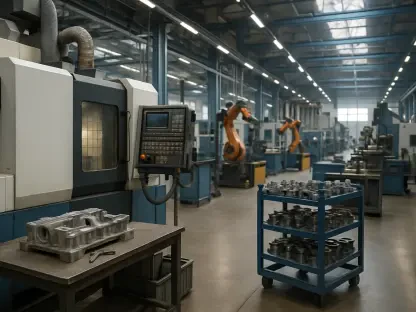
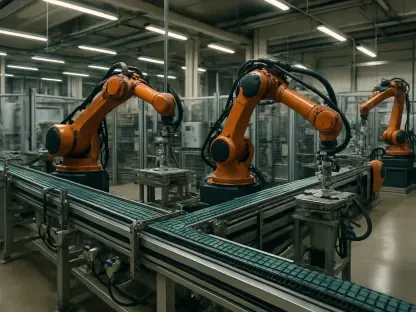
As the focus shifts toward the next generation of transport, the development of the 7th Generation (Gen 7) platform takes center stage. This upcoming platform utilizes a modular, software-defined approach, featuring interchangeable subsystems that can be applied across Class 4 through Class 6 vehicles. By streamlining manufacturing and reducing engineering complexity at the Union City, Indiana facility, the company aims to achieve price parity with diesel alternatives. This shift toward modularity is expected to accelerate adoption by removing the “green premium” price barrier.
Strategic Recommendations for Fleet Modernization
For businesses and fleet managers, the data proves that depot-based charging and daily route requirements are now well within the capabilities of current technology. Professionals should prioritize modular platforms to ensure long-term serviceability and lower unit costs. Additionally, companies should look to providers who offer integrated support for charging infrastructure. Navigating the complexity of power grid requirements remains a primary hurdle, and choosing partners with established mileage records mitigates the risk of transitioning away from fossil fuels.
The Path Forward for Sustainable Logistics
The achievement of 20 million miles solidified the standing of electric medium-duty trucks as durable and reliable assets. This milestone paved the way for more aggressive procurement strategies among global logistics firms. By refining manufacturing processes and expanding modular platforms, the industry moved closer to a standard where electric fleets became the economic preference. The progress demonstrated that environmental responsibility and financial viability functioned as twin engines for the next era of transportation.