Listen to the Article
The performance gap in modern manufacturing has transformed into a significant divide. It is no longer just a gap; it has become a chasm.
On one side, you see the businesses bogged down by legacy systems that only react to supply chain disruptions and struggle to meet growing demands for customization. On the other hand, there are companies already succeeding in the tech-enabled age, utilizing digitally native factories that predict machine failures, simulate production changes in real-time, and leverage operational data as a competitive advantage.
The divide? Driven by smart manufacturing, which works to allow the strategic integration of technologies like artificial intelligence, the Industrial Internet of Things, and digital twins to build resilient, agile, and efficient operations.
This approach doesn’t target just isolated pilot projects or incremental improvements. It’s a matter of fundamentally rethinking how the entire factory operates, from the shop floor to the executive suite.
As a B2B executive and decision-maker, this shift might emerge as the biggest challenge of the decade. But it doesn’t have to be a painful one; not when you can turn pain points into opportunities, move beyond the hype, and achieve the tangible benefits of digital transformation.
What Are the Core Pillars of a More Intelligent Factory?
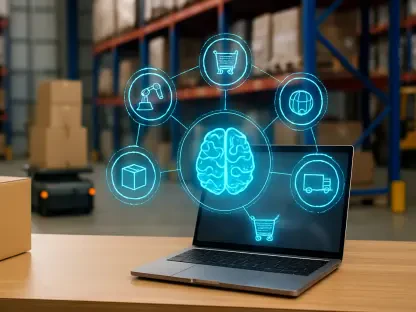
Smart manufacturing doesn’t rely on just a single technology to work. It’s an ecosystem of interconnected tools that create a seamless flow of data and intelligence, with a few core components that will help you boost your journey and get the outcomes you seek from the start.
Industrial Internet of Things: The Foundation You Need for Real-Time Visibility
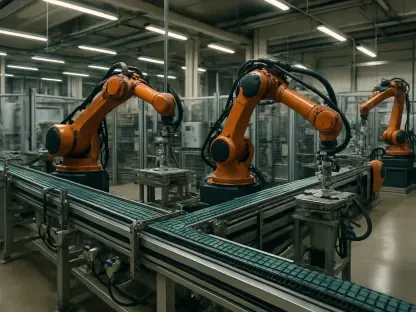
The floors of your factory always generate data that’s a fountain of untapped potential and information. But there’s a problem: most of it is trapped in an isolated machine or logged manually into inefficient, error-prone spreadsheets. The Industrial Internet of Things turns this from inefficiency to performance by embedding sensors and connectivity into each and every one of your machines (from robotic arms to conveyor belts). This creates a constant stream of real-time data on machine health, production speed, and environmental conditions, opening a new level of visibility as a bedrock for all other smart initiatives. Without it, artificial intelligence algorithms might be blind and digital twins static, limiting the potential of your future investments.
Artificial Intelligence and Machine Learning: From Predictive to Prescriptive
Once the data starts flowing, it’s your best time to move to the next stage. Artificial intelligence and machine learning engines can begin to analyze it for any patterns invisible to the human eye, a capability that evolves through different stages of maturity. These are the types of analytics smart systems can perform:
Descriptive Analytics: What is happening right now? Dashboards work to display real-time production metrics.
Diagnostic Analytics: Why did it happen? Artificial intelligence will help correlate sensor data and pinpoint exactly the root cause of a sudden quality drop in your operations.
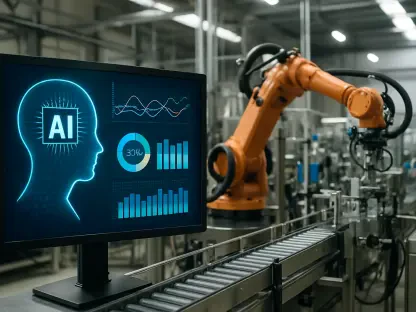
Predictive Analytics: What will (or can happen) next? Algorithms forecast machine failures days, weeks, or even months in advance, allowing you to schedule maintenance as it’s required and prevent costly unplanned downtime.
Prescriptive Analytics: What should we do about it? This is a highly advanced system that can recommend specific actions that can prevent inefficiencies, such as adjusting your overall machine settings to optimize energy consumption or reroute production to avoid a predicted bottleneck.
Simulate the Future and De-Risk the Present Using Digital Twins
A digital twin can be defined as a dynamic, virtual replica of physical assets, processes, or, among some of your most innovative peers, the entire factory. They’re fed by real-time data from the Industrial Internet of Things sensors, allowing engineers and managers to easily test changes, risk-free, and without disrupting the physical operations.
Here’s a good example of how it works: an enterprise can simulate the impact of a newly created production layout, test different robotic programming projects, or train operators in a risk-free environment, accelerating the time-to-market and slashing any additional costs associated with trial-and-error implementation.
Beyond operational benefits, digital twins also position the organization to collaborate more effectively. No matter where they are, teams across engineering, production, quality, and maintenance can work together easily from the same virtual model, making sure that any decision made is grounded in accurate, shared intelligence rather than assumptions or outdated documentation.
The Cybersecurity Imperative
Manufacturers will need to rely on smart technologies to continue matching expectations for demand, performance, and innovation. However, connecting factory equipment to the internet exposes a new, significantly larger attack surface. And this environment only grows in complexity with every sensor, modernized machine, and automated workflow.
While digital transformation can bring unprecedented visibility (and, in fact, promises to do so), it also exposes Operational Technology ecosystems to threats that were previously only seen in the Information Technology network. And unlike IT breaches, which are often limited to only data loss and financial damage, a successful attack on your OT environment might quickly escalate into physical disruption, compromised product quality, environmental harm, and even direct safety hazards for workers on the floor.
One of the biggest risks? Modern industrial systems blend legacy equipment (decades old and never designed with cybersecurity in mind) with cutting-edge cloud platforms and edge-computing solutions. The result is a patchwork of protocols, devices, and access points that cybercriminals could easily exploit. A competent malicious actor now leverages ransomware, supply-chain infiltration, and targeted malware to gain control of industrial assets, posing a threat of complete shutdown. The potential of connected factories has, therefore, turned cybersecurity from a ‘nice to have’ into the key to operational resilience.
Protecting it now requires a layered, in-depth defense strategy, which addresses risks across both the digital and physical domains. At the foundation is network segmentation, which isolates critical OT assets from enterprise IT networks and external connections. In this case, even if an attacker manages to breach one part of your assets, they cannot easily move laterally to compromise production equipment and safety systems. Implementing zero-trust principles is equally important, allowing companies to ensure that every connection (whether human or machine) is authenticated, authorized, and continuously monitored before interacting with sensitive systems.
What else matters? The human element. Many of the most damaging breaches in the history of manufacturing begin with phishing attempts, poor password hygiene, weak access policies, or a limited understanding of OT security protocols. That’s why employee training and cyber-awareness programs are essential for all workers: from plant-floor operators to maintenance technicians and systems integrators.
In Conclusion
Your journey to smart manufacturing is no longer a matter of experimenting with isolated technologies or collecting proofs of concept that might never properly scale. It’s about building a connected, intelligent operation capable of responding to market shifts with speed, precision, and confidence. The companies pulling ahead of the sector standards aren’t just investing in Industrial Internet of Things sensors, artificial intelligence, digital twins, or cybersecurity defenses. They’re combining them into a single approach that changes how decisions are made and shows where value can be created.
It’s clear now that the advantage of tomorrow won’t come from producing more, faster. It will come from understanding your operations deeply, predicting challenges before they occur, and empowering every layer of the organization with accurate, actionable insights. Manufacturers that embrace this mindset will shift from reactive fire-fighting to proactive orchestration, turning complexity into clarity and data into a true strategic asset.