
Listen to the Article
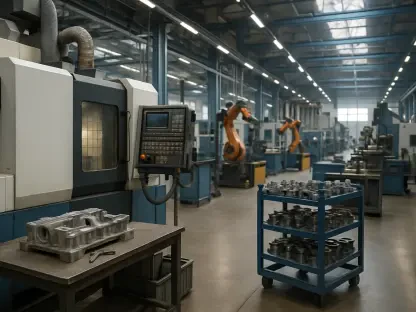
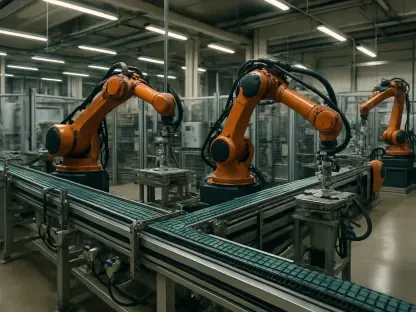
The modern factory floor generates more data in an hour than a corporate office does in a week. High-definition cameras, IoT sensors, and robotic arms create a relentless stream of information. The old model of backhauling this data to a centralized cloud for processing isn’t just inefficient; it’s a strategic failure that introduces latency, inflates bandwidth costs, and jeopardizes operational continuity. This is where the cloud-first model breaks.
For manufacturers, the pursuit of Industry 4.0 requires intelligence at the source. Real-time decision-making is not a luxury; it is the core driver of efficiency, quality, and safety. This requires a distributed computing framework that brings processing power closer to the action. Edge computing delivers this capability, shifting analysis from distant data centers to the factory floor itself and creating the foundation for a truly smart, resilient, and autonomous manufacturing operation.
Why the Centralized Model Is Failing on the Factory Floor
Relying solely on the cloud for data processing creates significant operational bottlenecks. Transporting terabytes of raw data from machinery and production lines creates immense bandwidth demands and is not cost-effective. The number of connected IoT devices is projected to surpass 39 billion globally by 2030, a nearly twofold increase from 2020. For manufacturers, this data explosion makes a centralized approach unsustainable.
The core issues extend beyond cost:
Latency Hinders Real-Time Control: The round-trip time for data to travel to the cloud and back is too long for applications that require immediate action, like stopping a malfunctioning robot or identifying a product defect on a high-speed assembly line.
Bandwidth Costs Escalate: Continuously streaming high-volume data, such as video feeds from quality control cameras, is prohibitively expensive. Edge computing optimizes bandwidth by processing data locally and only sending relevant insights or summaries to the cloud.
Connectivity Creates a Single Point of Failure: A lost connection to the cloud can paralyze an entire facility. For an operation that depends on always-on systems, this risk is unacceptable. The average cost of downtime in the manufacturing sector can exceed thousands of dollars per minute, making network resilience a critical priority.
Tangible Manufacturing Use Cases Driven by the Edge
Edge computing moves beyond theory to deliver measurable improvements in key manufacturing domains. Processing data locally enables previously impractical applications, directly impacting the bottom line.
Predictive Maintenance and Asset Uptime
Instead of adhering to a rigid maintenance schedule, edge devices can analyze real-time data from equipment sensors. By processing vibration, temperature, and acoustic data at the source, algorithms can predict component failure before it happens. This allows maintenance teams to intervene proactively, maximizing uptime and extending asset life.
A leading automotive manufacturer implemented an edge computing strategy across 15 assembly plants to improve welding quality. By processing sensor data from welding operations locally at the edge, the company was able to reduce weld defects by 62%, lower rework costs by 28%, and improve first-time quality rates by 41%, resulting in roughly $3.8 million in annual savings while sending only a fraction of the data to the cloud for further analysis.
AI-Powered Quality Assurance
Computer vision systems are crucial for modern quality control, but streaming multiple HD video feeds to the cloud for analysis introduces crippling latency. Edge nodes solve this by running AI models directly on the production line. These systems can spot microscopic defects, verify correct assembly, and flag anomalies in milliseconds. This real-time feedback loop drastically reduces waste, improves product consistency, and ensures that defects are caught before they leave the factory.
Enhanced Worker Safety and Augmented Reality
Edge computing can process data from wearables and environmental sensors to create a safer work environment. An edge gateway can monitor for hazardous gas levels or ensure workers are clear of an automated guided vehicle’s path, triggering localized alarms without cloud dependency. It also provides the low-latency processing needed for augmented reality tools that overlay repair instructions onto a technician’s field of view, improving first-time fix rates and reducing errors.
Architecting the Edge: Bridging OT and IT
Successful edge deployment requires a thoughtful approach to network architecture, particularly in bridging the gap between Operational Technology (OT) and Information Technology (IT). The OT network, which includes industrial control systems like SCADA, is traditionally isolated to ensure stability and security. The IT network connects the enterprise to the wider world. Edge computing sits at the convergence of these two domains.
This integration demands robust security protocols. Edge devices decentralize the network, creating more potential entry points. A granular security strategy is essential, with access management configured at the device or node level. This ensures that a breach on one device does not compromise the entire network. By processing sensitive operational data locally, manufacturers also minimize the amount of raw data exposed during transmission to the cloud. A recent analysis found that 75% of all enterprise-generated data will be processed at the edge by 2025, up from just 10% today.
Trends in Edge Computing for Manufacturing
The future of manufacturing will rely on hybrid edge-cloud architectures, AI-native networks, and integration with 5G or even 6G connectivity. Edge computing will evolve from isolated nodes to fully interconnected ecosystems where factories, warehouses, and supply chains share insights in real time. Organizations that adopt edge early will gain a competitive advantage through faster decision-making, reduced operational costs, and safer, more resilient operations.
Conclusion
Edge computing is no longer optional for manufacturers seeking to compete in the era of Industry 4.0. It addresses the fundamental limitations of centralized cloud architectures by enabling near-zero latency, cost-efficient bandwidth usage, and resilient networks. From predictive maintenance to AI-powered quality assurance and enhanced worker safety, the tangible benefits are already clear.
Organizations that adopt a strategic, phased approach will be best positioned to unlock the full potential of edge computing. This starts with prioritizing high-impact use cases, integrating OT and IT systems, and working with experienced partners. The time to act is now. By bringing intelligence to the source, manufacturers can create smarter, more agile operations that drive both productivity and innovation.