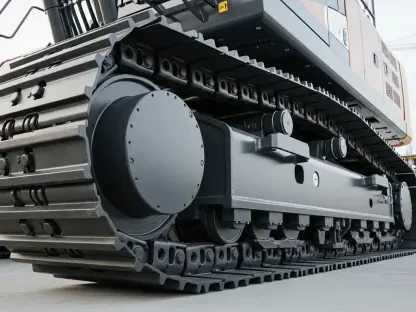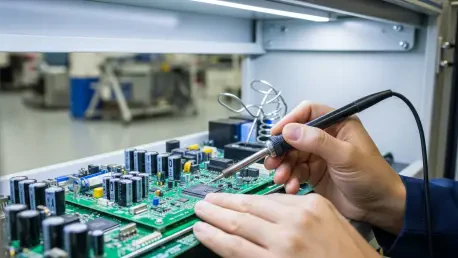

The modern industrial landscape currently faces a significant paradox where massive mechanical structures designed for decades of service are tethered to sophisticated electronic control systems with much shorter operational lifespans. As industries across the globe accelerate their shift toward a low-carbon economy, the reliance on complex electronic modules in wind farms, solar arrays, and automated manufacturing lines has skyrocketed to unprecedented levels. This technological evolution has inadvertently fostered a pervasive “replace and discard” culture that is proving to be both economically unsustainable and environmentally damaging in the long term. Asset rejuvenation offers a strategic alternative to this cycle by focusing on the sophisticated repair and refurbishment of critical components to ensure that functional machinery is not rendered obsolete by a single failed circuit. By moving away from the traditional model of total system replacement, companies can address the growing tension between aging infrastructure and the limited support cycles offered by manufacturers.
Bridging the Obsolescence Gap
One of the most pressing challenges in heavy industry today is the widening disconnect between the long-term durability of mechanical assets and the rapid turnover of digital control components. When an original equipment manufacturer declares a specific processor or input-output card to be at the end of its life, operators are frequently pressured into expensive, full-scale system upgrades even if the rest of the machinery remains in perfect working order. Rejuvenation closes this gap by providing a viable technical pathway to maintain orphan technologies that no longer receive official factory support or spare parts. This strategy transforms maintenance from a reactive task into a proactive lifecycle management tool that preserves the integrity of the original investment. By focusing on component-level engineering, specialized firms can identify and replace specific failed elements within a module, effectively resetting the operational clock on the hardware without requiring a complete overhaul of the existing software or wiring.
This methodical approach to asset longevity prevents the bottleneck effect, where a minor electronic failure brings a multi-million-dollar production line or energy generation site to a complete standstill for an indefinite period. The ability to source and integrate high-quality, modern equivalents for dated components ensures that the rejuvenated modules perform with the same reliability as a brand-new unit. Furthermore, this process allows industrial operators to bypass the forced obsolescence cycles that often dictate the pace of capital expenditure in the modern market. By maintaining the digital heart of a machine, companies can extract the full value from their mechanical investments, ensuring that a sturdy turbine or a precise assembly robot does not end up in a scrapyard simply because a proprietary microchip has reached the end of its commercial availability. This creates a more stable operational environment where technical decisions are driven by actual performance needs rather than arbitrary manufacturer timelines.
Economic Resilience and Cost-Effectiveness
The financial incentives for pursuing asset rejuvenation are increasingly compelling, as repairing existing hardware typically costs only a fraction of the price required to purchase and install a brand-new system. Beyond the initial price tag of replacement parts, rejuvenation helps companies avoid the massive capital expenditure associated with total system change-outs, which often involve unforeseen expenses. These overhauls frequently carry hidden costs, including extensive labor for physical installation, the need for comprehensive staff retraining on new interfaces, and the potential for prolonged operational downtime during the transition phase. By choosing to refurbish existing electronic assets, organizations can allocate their budgets more effectively, shifting funds from emergency capital outlays to steady operational improvements. This financial flexibility is particularly crucial for industries operating in high-inflation environments where the cost of new high-tech equipment continues to rise at an accelerated pace.
Furthermore, rejuvenation serves as a critical buffer against the logistical delays and supply chain volatility that have become a standard feature of the global electronic component market. In regions such as the Asia-Pacific, waiting for an authorized replacement from a foreign manufacturer can lead to weeks or even months of lost production, resulting in significant revenue deficits. By refurbishing assets locally through sophisticated engineering processes, industrial operators can significantly reduce their mean time to repair and keep their facilities running with minimal interruption. This localized approach to technical support not only bolsters the bottom line but also enhances the overall resilience of the regional industrial base. When a facility can depend on rapid, high-quality refurbishment of its existing electronics, it becomes less vulnerable to international shipping disruptions and trade fluctuations, securing a more predictable and profitable future for its manufacturing operations.
Technical Independence and Advanced Engineering
A core pillar of successful electronic rejuvenation is the ability to operate independently of original equipment manufacturer documentation and proprietary schematics. Advanced engineering firms now utilize sophisticated diagnostic methodologies and functional behavior analysis to reverse-engineer complex multi-layer circuit boards that were once considered unserviceable. This level of technical autonomy is vital for servicing equipment from manufacturers that may no longer exist or those that refuse to share technical data with third-party providers as a way to protect their replacement sales. By understanding the underlying logic and electrical requirements of a module, engineers can recreate the necessary operating parameters and verify the health of every individual component. This depth of analysis often uncovers design flaws or heat-related vulnerabilities that can be corrected during the rejuvenation process, resulting in a module that is actually more robust than the original factory version.
To ensure the highest levels of reliability and safety, the rejuvenation process involves much more than just swapping out visible faults or cleaning boards. It requires the creation of custom test rigs that simulate real-world operating conditions, including voltage fluctuations, thermal stress, and specific communication protocols. By exercising a refurbished module under these high-stress loads before it is re-installed in a critical environment, engineers can guarantee that the rejuvenated asset meets or exceeds the original performance standards. This rigorous validation process effectively eliminates the risk of infant mortality in repaired components and ensures long-term stability for the end-user. The integration of advanced testing technology and engineering expertise allows for a level of quality assurance that rivals the original production line, giving plant managers the confidence to rely on rejuvenated electronics for their most demanding and high-stakes industrial applications.
Supporting the Circular Economy
The shift toward asset rejuvenation is a fundamental component of the circular economy, moving industrial sectors away from a wasteful linear model and toward a more sustainable future. Refurbishing electronic hardware significantly reduces the volume of electronic waste that ends up in landfills, where heavy metals and toxic chemicals can pose long-term environmental risks. It also mitigates the substantial carbon footprint associated with manufacturing new electronic modules, a process that requires the intensive extraction of rare earth minerals and energy-heavy production methods. By extending the life of existing components, industries can drastically lower their overall resource consumption and environmental impact without sacrificing the technical performance required for modern operations. This approach demonstrates that profitability and environmental stewardship are not mutually exclusive but are instead two sides of the same coin in a modern, responsible industrial strategy.
By prioritizing the intelligent preservation of existing infrastructure, companies can align their day-to-day operational goals with global sustainability targets and corporate social responsibility mandates. This proactive stance on resource efficiency protects capital investments while contributing to a cleaner industrial future that values the longevity of materials over the convenience of disposal. Extending the life of a complex control system by a decade through staged, professional refurbishment is a prime example of how circular principles can be applied to high-tech environments. It reduces the demand for new raw materials and the energy required for global shipping, creating a more localized and sustainable loop of maintenance and reuse. As regulatory pressure regarding e-waste increases, the ability to rejuvenate electronics will likely become a mandatory requirement for large-scale industrial players looking to maintain their license to operate in an increasingly eco-conscious global market.
Sector-Specific Impacts and Strategic Flexibility
In the renewable energy sector, rejuvenation is critical for maintaining the vast fleets of aging wind turbines and solar inverters that are essential for a successful green energy transition. These assets are often located in remote environments where the failure of a single electronic pitch control or power converter can result in massive energy generation losses. By managing electronics from various manufacturers across multiple sites, operators can centralize their maintenance strategies and avoid the fragmentation that comes with dealing with dozens of different support tiers. This centralized approach ensures that the infrastructure meant to facilitate a low-carbon economy does not itself become a source of premature waste or technical instability. Rejuvenation allows these green energy providers to keep their older turbines spinning longer, maximizing the return on investment and ensuring a steady supply of clean power to the grid without the need for constant equipment replacement.
Similarly, in high-stakes environments like pharmaceutical manufacturing or food processing, a proactive refurbishment program can prevent the logistical nightmare of a full-scale digital overhaul. Instead of running equipment to the point of catastrophic failure, which could jeopardize sensitive batches or violate safety regulations, companies can engage in rotational rejuvenation. This involves updating modules in stages during scheduled maintenance windows, ensuring continuous operation and preventing the sudden obsolescence of critical production lines. This strategic flexibility allows industries to modernize their control logic at their own pace, ensuring that the transition to newer digital standards is smooth and well-managed. By maintaining a stable foundation of rejuvenated electronics, these sectors can focus their efforts on innovation and quality control rather than constant crisis management. This ensures that the industrial framework remains resilient, efficient, and ready to meet the evolving demands of the global market.
Implementing Resilient Lifecycle Strategies
The transition toward a comprehensive asset rejuvenation model required a fundamental shift in how industrial organizations perceived the value and durability of their electronic infrastructure. Leaders across the manufacturing and energy sectors recognized that the traditional reliance on original equipment manufacturers for every repair created a dangerous single point of failure within their supply chains. By establishing partnerships with specialized engineering firms, these organizations moved away from reactive troubleshooting and toward a structured, lifecycle-based approach to hardware maintenance. This transition involved auditing existing inventories to identify critical modules that were at risk of obsolescence and prioritizing them for preventative refurbishment. The resulting data showed that systems treated with these advanced rejuvenation techniques exhibited failure rates significantly lower than those maintained through standard industry practices.
The move toward electronic rejuvenation also fostered a culture of technical self-sufficiency that empowered facility managers to take control of their long-term operational roadmaps. Engineering teams utilized detailed performance analytics to determine the optimal timing for component-level updates, ensuring that electronic systems were refreshed before age-related degradation could impact production quality. This data-driven strategy allowed for more accurate budgeting and resource allocation, as the costs associated with rejuvenation were far more predictable than the emergency expenses of total system failures. Furthermore, the adoption of these practices encouraged the development of localized technical expertise, reducing the dependency on international service technicians and imported parts. The collective impact of these efforts created a more robust and sustainable industrial ecosystem that valued precision, longevity, and resource efficiency over the outdated habits of the discard-based economy.