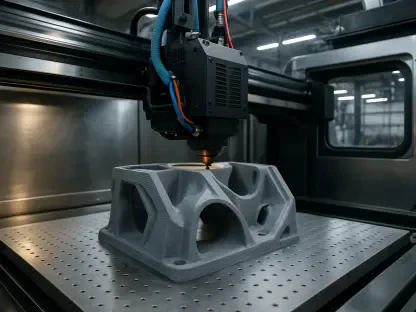

The sprawling halls of the Consumer Electronics Show this year echoed with more than just the launch of the latest consumer gadgets; they resonated with the powerful, deliberate movements of intelligent machines designed to fundamentally reshape our physical world. A defining trend emerged, shifting the focus from screen-based software to the realm of “Physical AI,” where sophisticated intelligence is deeply integrated into the hydraulics, sensors, and mechanical systems of real-world equipment. This fusion of digital mind and physical machine was on full display, promising to redefine standards of efficiency, safety, and operational simplicity across the demanding landscapes of agriculture and construction, while simultaneously planting the seeds of this revolution directly within the modern home. The innovations presented by industry leaders signaled a pivotal transition, moving automation from a futuristic concept to a practical, tangible tool that directly augments and enhances human capability in our most essential industries and daily routines.
Revolutionizing Heavy Industry
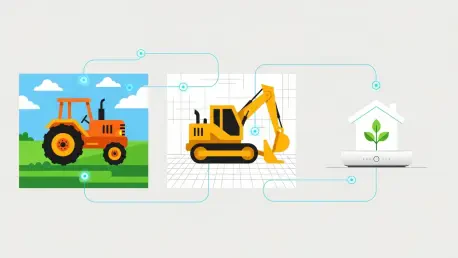
In the agricultural sector, major equipment manufacturers demonstrated a clear strategy to embed advanced intelligence directly into their machinery, aiming to solve pressing challenges like labor shortages and the need for greater precision. Kubota North America took a prominent role in this movement, presenting a comprehensive smart farming strategy that underscored the collaborative potential between human operators and autonomous systems. The centerpiece of its exhibit was an autonomous 105.7-horsepower M5 Narrow tractor, a machine brought to life through a strategic partnership with agtech innovator Agtonomy. This tractor is not merely a remote-controlled vehicle but a sophisticated platform designed to perform complex tasks with minimal human intervention. Alongside it, Kubota unveiled the KVPR, a versatile and modular “transformer robot” capable of physically expanding and contracting its frame to adapt to different operational needs and changing seasons. This hardware is supported by a robust Digital Twinning System, which creates a virtual replica of the farm, enabling real-time data monitoring and predictive analysis to optimize everything from irrigation to harvesting.
The push toward intelligent, autonomous machinery was equally prominent in the construction and heavy equipment space, with a focus on creating safer, more adaptable, and easier-to-maintain worksites. Doosan Bobcat captured this trend with the debut of its next-generation autonomous concept vehicle, the RogueX3. This all-electric loader pushes the boundaries of hardware with a highly modular design, allowing it to be configured with or without a cabin and with various lift arm attachments. More importantly, its design is power-source agnostic, capable of running on diesel, hydrogen, or hybrid systems to meet diverse job site requirements. Beyond the versatile hardware, Bobcat emphasized the suite of AI-driven support systems that make the machine truly smart. A standout feature was the prototype Collision Warning and Avoidance System, which utilizes advanced imaging radar to detect people and objects, automatically slowing the machine to prevent accidents. Furthermore, the company showcased Service.AI, an intelligent platform that empowers dealers and technicians with real-time diagnostic assistance and instant access to repair manuals, dramatically reducing downtime and streamlining the entire maintenance lifecycle.
The Smart Home Harvest
The influence of Physical AI extended far beyond industrial applications, finding fertile ground in the consumer technology space and bringing a new level of automation and personalization into the home. This trend was perfectly encapsulated by the emergence of smart indoor agriculture systems that promise to transform the way consumers access fresh food. The AI company Luya Tech introduced a groundbreaking home microgreens nutrition system that allows anyone to become a home farmer with virtually no effort. The sleek, compact device employs a sophisticated combination of AI, integrated cameras, and environmental sensors to create a perfectly controlled, fully automated growing environment. It meticulously adjusts humidity, temperature, light cycles, and nutrient delivery in real-time to optimize plant health and growth. Functioning with pre-seeded growing trays in a manner strikingly similar to a capsule coffee machine, the system removes the complexities and guesswork traditionally associated with gardening. The experience is further enhanced by a dedicated mobile app, which not only monitors progress but also empowers users to personalize the flavor profile and nutritional value of their microgreens, effectively turning the modern kitchen into a personal nutrition factory.
A Glimpse into an Automated Future
The technologies displayed at CES 2026 demonstrated a clear and unified trajectory toward a future where intelligent software and physical machinery are inextricably linked. The innovations seen this year were not disparate concepts but part of a larger narrative about practical, applied intelligence. The common thread connecting a self-driving tractor navigating an orchard, a modular loader preventing collisions on a job site, and a home device cultivating nutrient-rich microgreens was a shared focus on solving tangible, real-world problems. These systems were designed not merely to showcase technical prowess but to simplify complex tasks, enhance safety protocols, and grant users an unprecedented level of control and efficiency. The event solidified the idea that Physical AI has moved beyond the research lab and has become a core component of product development, heralding an era where our interaction with the physical world is increasingly mediated by intelligent, responsive, and autonomous systems.