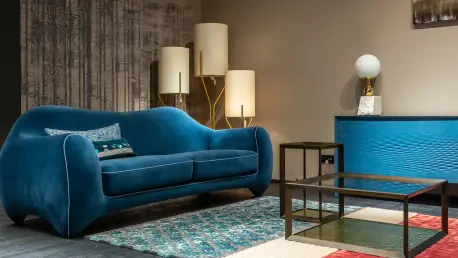

Strategic utilization of weekly lorry shipments from Poland to the Benelux region allows Adelmund Furniture to maintain low shipping costs for its retail clients. This logistical advantage serves as a cornerstone for a company that has successfully transitioned from a traditional furniture agency into a sophisticated developer of proprietary collections. Originally established by industry veteran Martin Adelmund, the company’s trajectory shifted significantly when his son, Kristian, assumed leadership in 2020. This generational transition has allowed the firm to move beyond simply representing existing European brands to actively influencing the entire manufacturing process from the ground up. Today, the organization operates with a lean, specialized team based in the Netherlands, combining decades of deep-rooted industry experience with a modern, proactive approach to product development that prioritizes agility and market responsiveness. By focusing on direct oversight, the company ensures that every design aligns perfectly with current consumer expectations and regional needs.
Generational Leadership: Evolving the Family Enterprise
The transition from a legacy agency model to a design-led enterprise was not merely a change in title but a fundamental shift in corporate philosophy. While the firm was once content to act as a bridge between Polish manufacturers and Dutch retailers, the current leadership recognized that sustainable growth required a more hands-on approach to product curation. Kristian Adelmund’s entry into the business catalyzed this evolution, moving the company toward a model where they dictate aesthetics, materials, and functional specifications. This shift has enabled Adelmund Furniture to occupy a unique space in the mid-market segment, offering products that feel bespoke yet remain accessible to a broader consumer base. The move has proven essential in an era where retailers demand more than just inventory; they require partners who understand the nuances of lifestyle trends and can provide exclusive collections that differentiate them from mass-market giants and online-only competitors.
To support this ambitious growth, the internal organizational structure has been meticulously refined to ensure that operational overhead remains low while professional output stays high. While Martin Adelmund provides high-level strategic oversight, drawing on his extensive network and years of market wisdom, the daily engine of the company is driven by a highly specialized team. Thomas Adelmund manages the critical back-office functions and operational logistics, ensuring that the complex machinery of international trade runs without friction. Simultaneously, Lucas van Oeveren directs the sales department and fosters deep-seated customer relations, ensuring that the feedback loop between the market and the design team remains tight. Kristian Adelmund sits at the center of this web, balancing key account management with the creative demands of product development. This lean configuration allows the company to remain incredibly agile, responding to shifts in the European furniture landscape far faster than larger firms.
Global Manufacturing: The Polish and Chinese Connection
A core strength of the firm’s current business model lies in its nuanced approach to international production, which artfully balances the craftsmanship of Poland with the industrial efficiency of Chinese manufacturing. For years, the firm has relied on four primary factories in Poland to serve as the backbone for its extensive upholstered furniture lines, including sofas and dining seating. These long-standing partnerships are built on mutual trust and a shared commitment to quality that is difficult to replicate. By working in close proximity to these European facilities, the company can exert a high degree of control over the manufacturing process, ensuring that every piece of furniture meets the rigorous standards expected in the Benelux region. This proximity also facilitates shorter lead times and the ability to pivot quickly when a particular design or fabric gains sudden popularity. Poland remains the preferred hub for high-flexibility upholstered goods where customization is a key selling point for consumers.
However, recognizing the shifting tides of global economics and the need for supply chain resilience, the company has strategically incorporated Chinese manufacturing into its broader production strategy. This dual-sourcing model is not designed to replace Polish production but rather to complement it by addressing different market needs. While Poland is the primary source for bespoke and flexible seating solutions, China offers a distinct competitive edge for “ready-stock” items and models that require specific technological features or mass-market cost efficiencies. This expansion allows the business to mitigate the risks associated with rising production costs in Europe, such as wage increases and material scarcity. By diversifying their manufacturing base, Adelmund Furniture can offer a wider price spectrum and maintain a consistent flow of inventory throughout the year. This versatility ensures they remain a resilient partner for retail clients who require both high-end custom pieces and high-volume, cost-effective staple items.
Studio APO: Innovation in Logistics and Future Strategy
The introduction of the Studio APO brand represents a major milestone in the organization’s ongoing expansion strategy, signaling a bold move into both the retail and contract markets. Created through a collaborative effort between Kristian Adelmund and two strategic Polish partners, this new brand is specifically designed to meet the growing demand for contemporary dining chairs that blend high-end aesthetics with realistic pricing. To anchor this new venture, the company is preparing a new facility in Rotterdam that will serve a dual purpose as a corporate office and a dedicated showroom. This space will allow potential clients to experience the Studio APO collection in a curated environment, showcasing the brand’s commitment to modern design and functional elegance. The decision to establish a physical presence in Rotterdam further highlights the company’s confidence in the local market and its desire to provide a more immersive experience for its partners, moving beyond digital catalogs to tangible interactions.
As the company transitioned into this new era of diversification, it successfully positioned itself as a bridge between traditional craftsmanship and modern industrial efficiency. The recent showcase at the Brussels Furniture Fair, which highlighted collaborative efforts with the manufacturing partner Ramaro, demonstrated the tangible results of this strategic shift. The launch of Studio APO and the integration of AI into daily operations proved to be decisive moves that enhanced the brand’s visibility across the European continent. Stakeholders observed that the organization moved away from being a simple intermediary and instead became a primary driver of design trends and logistical innovation. Moving forward, the focus remained on scaling these operations while maintaining the intimate, service-oriented approach that defined the family business. Retailers were encouraged to leverage these new custom upholstery options and efficient shipping routes to optimize their own inventory management and meet the rising consumer demand for personalized furnishings.