
The rapid evolution of Class 8 heavy-duty vehicles has reached a critical tipping point where the traditional image of a driver behind the wheel is being replaced by sophisticated computer stacks. This shift toward Level 4 automation represents more than just a convenience; it is a fundamental restructuring of how goods move across continents. By removing the limitations of human endurance, these systems aim to address the persistent global demand for safer, more predictable freight delivery.
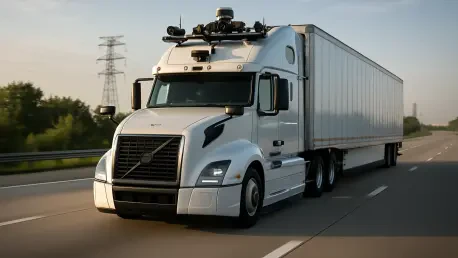
Modern autonomous systems rely on a high-performance chassis, such as the Freightliner Cascadia, which serves as the physical backbone for complex digital operations. Unlike passenger cars, these trucks must manage massive momentum and extended braking distances, requiring a seamless integration between mechanical hardware and advanced computing stacks. This transition from manual operation to full autonomy is currently being validated through relentless real-world testing across diverse geographic corridors.
Key Technical Components and Systems Integration
Artificial Intelligence and Software Synergy
At the heart of this technological leap lies a complex web of machine learning algorithms that process massive streams of environmental data. These models do not just follow a set of rules; they interpret dynamic variables to make split-second decisions that ensure vehicle stability. By analyzing millions of data points from previous encounters, the software identifies patterns in traffic flow, allowing the truck to navigate complex merges and unexpected lane closures with superhuman precision.
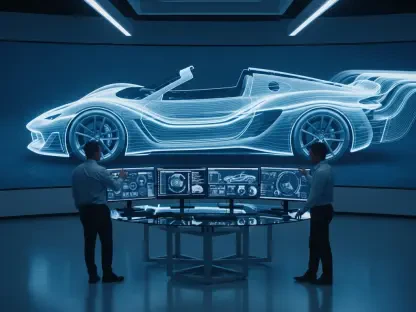
The significance of this software extends into the realm of safety validation. High-fidelity simulations allow engineers to stress-test the AI in virtual environments that would be too dangerous for public roads. This “Simulation-to-Reality” workflow ensures that when a truck finally encounters a rare edge case in the physical world, its response is already hardened by thousands of digital rehearsals, making the transition to public infrastructure far more reliable.
Hardware Engineering and Sensor Suites
Managing the physics of a forty-ton vehicle requires a specialized sensor suite comprising LiDAR, radar, and high-resolution cameras. These sensors provide a redundant, 360-degree view of the surroundings, ensuring that the system maintains situational awareness even if one component fails. The integration of these tools onto a heavy-duty chassis is a masterpiece of engineering, specifically tuned to handle the vibrations and environmental stresses typical of long-haul trucking.
Technical performance is measured by the system’s ability to “see” hundreds of meters ahead, a necessity given the substantial stopping distances required for loaded trailers. This hardware must also be ruggedized to withstand the extreme heat of the desert and the freezing temperatures of northern winters. The result is a specialized sensory organs system that allows the truck to perceive obstacles long before a human driver would even notice a change in the horizon.
Latest Developments in Autonomous Testing and Validation
Expansion into diverse climates, such as recent testing initiatives in Michigan, represents a strategic effort to harden hardware against seasonal variability. Snow, sleet, and heavy rain present unique challenges for optical sensors, necessitating the development of cleaning systems and advanced signal processing. Moving beyond the fair-weather testing of the Southwest is essential for any technology claiming to be ready for nationwide commercial deployment.
Furthermore, the industry is seeing a shift toward dedicated engineering hubs located within established manufacturing corridors. These centers facilitate a closer collaboration between software developers and automotive engineers, accelerating the research and development cycle. By placing testing operations near major logistics nodes, companies can collect higher-quality data that reflects the actual density and complexity of modern supply chains.
Real-World Applications and Strategic Implementations
Autonomous freight routes are no longer theoretical, with active pilots running through major logistics hubs like Dallas-Fort Worth and the American Midwest. These hub-to-hub models allow trucks to handle the predictable, long-distance highway stretches while human drivers manage the complex “first and last mile” navigation. This hybrid approach optimizes fuel efficiency and ensures that vehicles remain in constant motion, drastically improving the ROI for fleet operators.
Strategic partnerships between technology developers and state agencies, such as the MEDC and MDOT, have been instrumental in fostering this innovation. These collaborations provide the legal and physical infrastructure needed to test driverless fleets safely on public highways. By aligning technological progress with economic policy, these regions are positioning themselves as leaders in the future of automated commerce, attracting both talent and investment.
Critical Challenges and Regulatory Obstacles
Despite impressive progress, technical hurdles remain, particularly concerning unpredictable human behavior on public roads. AI models still struggle with the nuances of hand signals from construction workers or the erratic movements of distressed drivers. Additionally, navigating extreme weather conditions without losing sensor fidelity continues to be a primary focus for engineering teams. These challenges necessitate a cautious, incremental approach to deployment.
The regulatory landscape also presents a significant hurdle, as legal frameworks regarding liability and safety standards are still catching up to the technology. Determining who is responsible in the event of a collision involving a driverless heavy-duty vehicle is a complex legal question that varies by jurisdiction. Moreover, the high initial cost of sensor hardware and the scarcity of specialized machine learning talent create a high barrier to entry for smaller logistics firms.
Future Outlook: The Path to Commercialization
Projections indicate that the heavy-duty autonomous sector will evolve into a multi-billion dollar market within the next decade. As the technology matures, we can expect breakthroughs in vehicle-to-everything (V2X) communication, allowing trucks to talk to traffic lights and other vehicles to streamline traffic flow. This connectivity will not only improve safety but also drive a significant decarbonization of the supply chain through optimized routing and reduced idling.
The long-term societal impact will likely involve a transformation of the labor market rather than a simple displacement of workers. While long-haul highway driving may become automated, the demand for local delivery drivers, remote vehicle monitors, and specialized technicians will surge. This shift suggests a future where the freight industry is more efficient, less prone to human error, and fundamentally integrated into a global, digital-first infrastructure.
Summary and Final Assessment
The review of current autonomous trucking capabilities revealed a technology that has moved past the experimental phase into a rigorous validation period. Engineers successfully integrated high-level AI with heavy-duty mechanical systems, proving that Class 8 trucks can navigate complex environments with increasing autonomy. The strategic expansion into varied climates and the formation of public-private partnerships indicated a coordinated push toward commercial readiness.
The path forward required a focus on standardized regulatory frameworks and the refinement of sensor performance in adverse weather. Industry leaders moved toward specialized engineering hubs to bridge the gap between software potential and mechanical reality. This collaborative innovation laid the groundwork for a safer, more sustainable freight industry that prioritized both efficiency and public safety. This assessment suggested that while full nationwide deployment remained a work in progress, the technical foundation for a driverless future was firmly established.