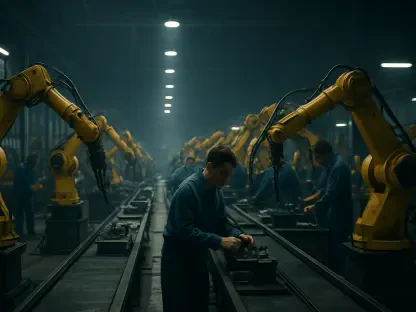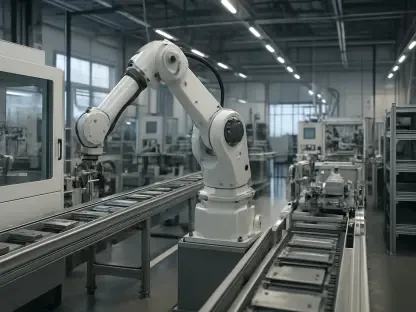

Engineering controls like splash guards and remote operation are critical because molten metal behaves like a liquid, creating unpredictable hazards upon impact. In high-temperature industrial environments, the margin for error is virtually nonexistent, and the physical consequences of a breach in protocol are often permanent. A recent incident at a Devon-based galvanizing facility underscores this reality, where a worker suffered debilitating injuries after a three-ton steel beam plunged into a treatment bath, displacing a massive volume of molten zinc. This disaster was not a result of a complex chemical reaction but rather a fundamental failure in mechanical integrity and oversight. When industrial operations involve materials heated to nearly 850 degrees Fahrenheit, any displacement becomes a catastrophic event. The subsequent investigation revealed that the lifting equipment involved had been severely neglected, with visible signs of wear ignored in favor of maintaining high production targets. This case serves as a definitive warning to the manufacturing sector: safety is not a passive state but an active, continuous investment. Companies must move beyond a culture of simple compliance and toward a culture of rigorous preventative maintenance to protect their employees from the harrowing reality of molten metal exposure.
Prioritizing Rigorous Equipment Maintenance and Inspection
The cornerstone of preventing lifting-related accidents is the strict adherence to the Lifting Operations and Lifting Equipment Regulations. In high-risk environments, such as galvanizing plants where corrosive acid vapors are constantly present, lifting accessories like chains and slings deteriorate much faster than in standard warehouse settings. Metal fatigue and chemical erosion can compromise the structural integrity of a chain link long before it reaches its theoretical service life. Therefore, companies must move beyond the bare minimum of annual checks and implement a schedule of thorough examinations every six months. These inspections should be conducted by independent, competent professionals to ensure there is no internal bias or pressure to keep faulty equipment in the rotation. Such a proactive approach identifies microscopic stress fractures or chemical pitting that could lead to a sudden, catastrophic failure during a heavy lift, effectively removing the primary catalyst for most plunging accidents.
Beyond formal external inspections, the daily visual check remains the most effective immediate line of defense against equipment failure. Workers should be thoroughly trained to identify subtle red flags, such as slight deformation in links, discoloration from heat or chemicals, or the absence of valid inspection tags. When production pressure is high, there is often a pervasive temptation to overlook a slightly worn chain to avoid the downtime required for a replacement. However, the financial and human costs of using faulty equipment far outweigh any temporary gains in output. The legal fallout from the Devon incident, which resulted in a fine exceeding half a million pounds, demonstrates that the judicial system has no leniency for firms that prioritize speed over the basic maintenance of life-critical equipment. Establishing a mandatory “no-go” policy for any accessory showing signs of wear is a prerequisite for a safe industrial workspace.
Implementing Sophisticated Risk Assessments and Load Planning
A common pitfall in heavy industry is treating every lift as a routine task, regardless of the unique weight or shape of the load being handled. Effective prevention requires a specific, detailed risk assessment for unconventional or particularly heavy items before they ever leave the factory floor. This process involves calculating the exact safe working load and ensuring that the rigging configuration is mathematically sound. In the case of the three-ton beam disaster, the investigation determined that the load was secured incorrectly, which forced the chains to operate far beyond their rated capacity. This mechanical overstressing made a failure inevitable. By formalizing the planning process for moving heavy materials over hazardous areas, companies can eliminate the improvised lifting techniques that frequently lead to sudden snaps. Every lift should be treated as a high-stakes engineering project where gravity and physics are the primary opponents.
Supervision by a competent person is not merely a regulatory suggestion; it serves as a critical safety barrier that catches human errors before they turn into tragedies. Every complex lift should be overseen by a designated safety officer who has the unilateral authority to halt operations if the setup looks unstable or if the equipment appears mismatched for the task. This individual must ensure that the rigging is not only in good condition but is also the specific tool required for that unique geometry of the load. Effective load planning also considers the path of the lift, ensuring that workers are never positioned in the potential “fall zone” or the “splash zone” of the molten bath. By integrating these planning phases into the standard operating procedure, companies create multiple layers of redundancy that can prevent an accident even if one component of the system fails.
Engineering Controls and Environmental Safety Barriers
In environments where molten metal is handled, the physical layout of the facility must account for the fluid dynamics of a potential spill or displacement. Engineering controls, such as physical splash guards, remote operating stations, and automated lifting systems, are designed to keep human operators out of the direct line of fire should a mechanical failure occur. If a heavy object falls into a liquid bath, the resulting displacement creates a wave of molten material that behaves with the same fluid energy as water but carries devastating thermal power. Strategic wall placement and clearly marked escape routes are essential to minimize the impact of these thermal tidal waves. Modern facilities are increasingly adopting automated cranes that allow operators to stand behind reinforced glass or in separate control rooms, significantly reducing the risk of direct exposure to molten splashes during the most hazardous phases of the galvanizing process.
Environmental factors also play a significant role in the stability and safety of molten baths, requiring constant monitoring of the surrounding atmosphere and material state. For instance, the introduction of even small amounts of moisture or certain chemical contaminants into a molten zinc bath can cause violent physical reactions or steam explosions. Companies must maintain a pristine environment around the dipping area and ensure that all items being submerged are completely dry and free of trapped air or fluids. Integrating these environmental checks into the pre-dip checklist creates a multi-layered defense system that addresses both mechanical risks and chemical volatility. Ensuring that the surface of the molten metal is clear of excessive dross and that the temperature is precisely regulated further stabilizes the environment, making the behavior of the liquid more predictable and manageable for the workforce.
Empowering Workers and Strengthening Safety Culture
A robust safety culture is one where even the most junior employee feels empowered to stop a multi-ton lift if they spot a safety concern. High-consequence industries must actively dismantle the culture of silence that often permeates high-pressure manufacturing environments. This empowerment starts with comprehensive, hands-on training that teaches workers not only how to perform their tasks but also how to recognize the precursors to a disaster. When workers are treated as the primary stakeholders in their own safety, they are much more likely to report damaged equipment or unsafe rigging configurations. A management team that rewards safety-conscious behavior rather than penalizing production delays sends a clear message that human life is the company’s most valuable asset. This shift in mindset transforms safety from a list of rules into a shared organizational value that governs every action on the shop floor.
The readiness of emergency response systems can mean the difference between a treatable injury and a fatality when a breach occurs. Facilities dealing with molten materials were found to be most effective when they maintained high-capacity emergency showers and specialized burn kits within seconds of high-risk zones. In the Devon incident, the victim’s ability to reach an emergency shower immediately was a key factor in his survival, despite the severity of the burns. While the primary goal is always the total prevention of accidents, a company’s commitment to safety is also measured by its preparedness for the unthinkable. Regular emergency drills that simulate a molten metal splash ensure that every employee knows exactly how to respond, how to provide immediate first aid, and how to coordinate with emergency medical services. This level of preparedness ensures that even in the wake of a failure, the damage to human life is mitigated as much as possible.
Strategic Findings for Future Hazard Mitigation
The analysis of these catastrophic failures revealed that a fundamental shift in corporate philosophy was required to ensure long-term worker safety. Industry experts concluded that the most effective organizations were those that treated safety regulations not as a ceiling to reach, but as a floor upon which to build more rigorous internal standards. The findings suggested that companies which implemented digital tracking for every lifting accessory saw a significant reduction in “missed” inspections. These systems provided real-time alerts when a chain was nearing its service limit or required a six-month professional review. Furthermore, the data showed that facilities utilizing remote-operated lifting technology successfully removed workers from the immediate vicinity of molten baths, virtually eliminating the possibility of a splash-related injury during the dipping process. These technological adoptions represented the most significant leap forward in protecting the workforce from high-heat hazards.
The transition toward more transparent reporting systems also proved instrumental in preventing repeat incidents across the sector. It was determined that when firms shared “near-miss” data internally and with industry partners, the collective knowledge helped identify common failure points in rigging and equipment design. This proactive exchange of information allowed managers to adjust their risk assessments based on real-world data rather than theoretical models. Ultimately, the industry moved toward a model where the “competent person” role was elevated to a senior management position, ensuring that safety decisions carried the same weight as financial and operational ones. These steps established a new baseline for industrial excellence, proving that the integration of advanced engineering, strict maintenance, and a non-punitive safety culture was the only sustainable path forward for heavy manufacturing. Moving forward, the focus remained on refining these systems to ensure that every worker returned home unharmed.