
Large-scale heat recovery projects at facilities like the European Spallation Source demonstrate the dual benefits of combining low-emission materials with energy efficiency. This integration marks a pivotal moment in the industrial sector, where the focus has shifted from merely optimizing energy consumption during operation to scrutinizing the carbon footprint of the machinery itself. The landscape of 2026 reveals an industry increasingly committed to initiatives aiming to strip away embedded fossil carbon from every stage of production. This transformation is not just a theoretical ambition but a practical overhaul of how heavy equipment is designed and assembled. Manufacturers now recognize that true sustainability requires a holistic view that begins at the blast furnace and ends with the final product. By prioritizing low-carbon steel, the sector is addressing one of its most persistent environmental challenges, setting a precedent for how large-scale industrial operations can align with global climate objectives through tangible engineering.
Decarbonizing the Industrial Supply Chain
Part 1: Material Innovations in Steel Production
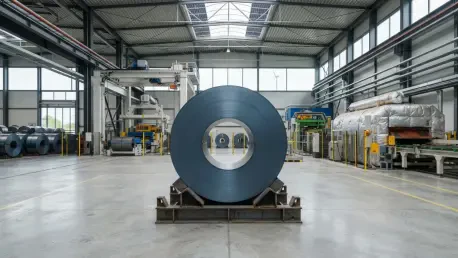
The partnership between major industrial players and steelmakers like SSAB has proven that the primary hurdle to green manufacturing can be overcome through specific material innovations. Currently, global steel manufacturing is responsible for approximately 7% of total carbon emissions, making it a critical focus area for any company serious about its environmental impact. Two distinct paths have emerged as viable solutions: fossil-free steel and steel produced from recycled materials using renewable energy, such as SSAB Zero. Fossil-free steel utilizes hydrogen-based reduction processes to eliminate carbon emissions entirely from the primary production phase. Meanwhile, recycled-based steel focuses on circularity, ensuring that existing materials are repurposed without introducing new fossil-based pollutants into the atmosphere. These materials are now being integrated into high-performance components, proving that the move toward a carbon-neutral industrial base is technically feasible when manufacturers align their sourcing strategies with cutting-edge advancements.
Part 2: Integrating Low-Emission Components into Design
Expanding on this material transition requires a deep understanding of how these new alloys behave under extreme industrial conditions. For example, the incorporation of low-emission steel into components like the T21 plate heat exchanger demonstrates that substituting traditional carbon-heavy materials does not require a compromise in mechanical integrity or thermal performance. Engineers have successfully validated these materials against rigorous technical specifications, ensuring that the shift to greener steel maintains the reliability required in demanding sectors like chemical processing and power generation. This integration represents a major step forward in supply chain transparency, as it allows manufacturers to provide detailed life cycle assessments for their products. By addressing the “embodied carbon” within the equipment, companies are helping their clients meet increasingly stringent regulatory requirements while simultaneously reducing their own environmental footprint. The success of these applications serves as a blueprint for other heavy industries looking to transition their models.
Strategic Implementation and Market Evolution
Part 1: Operational Efficiency and Scope 3 Reductions
The deployment of low-carbon equipment is particularly impactful in high-energy environments where both construction and operation contribute significantly to total emissions. At facilities such as the EcoDataCenter, the use of infrastructure components made with SSAB Zero-based steel illustrates a growing trend among data center operators to prioritize the carbon footprint of their physical assets. These organizations are no longer satisfied with only purchasing renewable energy; they are now actively targeting Scope 3 emissions, which include the indirect carbon produced during the manufacture of the equipment they purchase. By utilizing heat exchangers that facilitate energy recovery for district heating while being made of sustainable materials, these facilities achieve a dual environmental benefit. This strategy reduces the total carbon intensity of the facility’s life cycle, from the initial construction phase through decades of operation. This shift in procurement behavior is driving demand for more transparent reporting across the infrastructure landscape.
Part 2: Overcoming Structural Barriers to Green Manufacturing
Transitioning to a fully carbon-neutral product catalog by 2030 remains a complex endeavor that involves more than just swapping one material for another. It demands a comprehensive restructuring of logistics, assembly, and sourcing networks to ensure that the carbon savings achieved at the steel mill are not lost during transportation or processing. The industrial sector currently faces challenges such as the limited global availability of fossil-free steel and the necessity for standardized methodologies to verify manufacturer claims regarding emission reductions. However, the progress observed from 2026 to 2028 suggests that these hurdles are being overcome through increased investment in green hydrogen and electrified steel production. Industrial buyers are shifting their focus from a narrow emphasis on the initial purchase price to a more sophisticated evaluation of total life cycle value. This includes the potential for future regulatory credits and the long-term brand value of operating with the lowest possible environmental impact.
Advancing Toward a Circular Industrial Economy
The adoption of low-carbon steel in heavy equipment manufacturing provides a clear pathway for reconciling industrial growth with environmental stewardship. By moving beyond experimental prototypes into full-scale commercial production, manufacturers have demonstrated that sustainable materials can meet the most demanding performance standards. The successful implementation of these technologies at sites like the European Spallation Source and various data centers highlights the importance of a holistic approach to decarbonization that considers both embodied carbon and operational efficiency. Moving forward, the industry is focused on scaling these solutions and harmonizing international standards for carbon accounting to ensure transparency across global supply chains. Investment in green energy infrastructure remains essential for supporting the production of fossil-free materials at the scale required by the market. Ultimately, the shift toward low-emission steel is not merely a technical change but a fundamental reimagining of how industrial value is created and maintained.