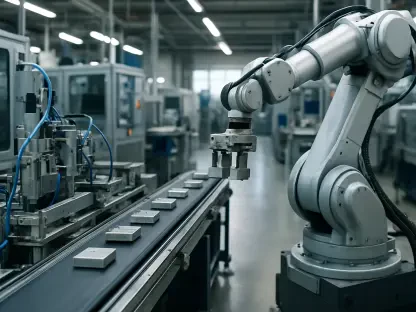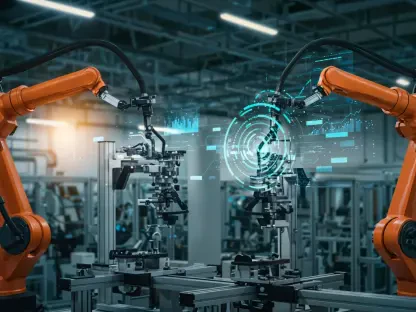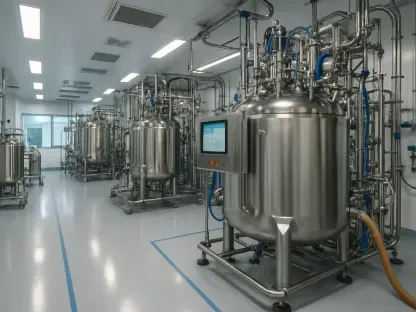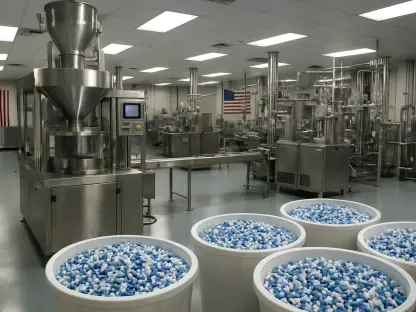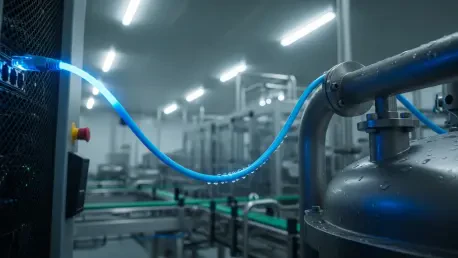

The intricate and deeply interconnected digital infrastructure that brings food from the farm to our tables has introduced a vulnerability that traditional safety protocols were never designed to handle. As the food and beverage industry accelerates its adoption of smart technology, cloud-based systems, and automated production lines, the very definition of “food safety” is undergoing a seismic shift. This digital transformation, while boosting efficiency and traceability, has also exponentially expanded the attack surface for cyber threats. Consequently, the concept of ensuring food is safe to eat must now be inextricably linked with ensuring the systems that produce it are safe from digital intrusion. Cyber hygiene is no longer a separate IT concern but has become a core, non-negotiable component of public health, on par with physical sanitation and contaminant control. A digital weakness can now directly translate into a physical danger, disrupting supply chains and eroding the consumer trust that is the bedrock of the entire industry.
The Blurring Line Between Digital and Physical Risk
The primary catalyst for this new risk landscape is the rapid convergence of Information Technology (IT) and Operational Technology (OT). Historically, the corporate networks managing data and communications (IT) were kept separate from the industrial control systems managing physical machinery on the factory floor (OT). Today, those barriers have crumbled as companies seek greater efficiency through integrated systems. This fusion, however, has inadvertently created new digital highways for malicious actors to travel from a corporate server directly to the heart of the production line. This blurring of boundaries means a data breach is no longer just a threat to sensitive information; it is a direct threat to the physical processes that ensure food is safe. An attacker who gains access to the corporate network could potentially pivot to control machinery, alter recipes, or shut down entire facilities, transforming a digital intrusion into a tangible operational and safety crisis.
This IT/OT convergence places the industry’s most vital safeguards, known as Critical Control Points (CCPs), in the digital crosshairs. CCPs are the specific stages in the production process where hazards are meticulously controlled—such as achieving precise pasteurization temperatures, using metal detectors to screen for foreign objects, or regulating pH levels to prevent bacterial growth. These points are the foundation of modern food safety, and they have now become prime targets for digital sabotage. An attacker could execute a subtle but devastating attack by slightly modifying the parameters of a CCP. Imagine a scenario where a hacker remotely lowers the cooking temperature of a product just enough to allow harmful pathogens to survive, or disables an allergen detection system, all while the system logs continue to report normal operations. Such an attack would bypass all traditional physical checks and could lead to a widespread public health disaster, massive recalls, and irreparable brand damage.
The Overt Disruption and the Covert Corruption
Cyber threats within the food sector often manifest in two dangerously distinct forms: loud, highly visible disruptions and quiet, insidious data corruption. High-profile incidents have starkly illustrated the damage of overt attacks. The 2025 cyberattack on beverage giant Asahi, for instance, crippled its production sites across the Asia-Pacific region, halting ordering and shipping functions for days and leading to significant stock shortages. Similarly, the 2022 ransomware attack on meat processor JBS resulted in a global shutdown of its production lines, creating a massive backlog in the livestock supply chain. These events underscore a critical consensus: the food and beverage industry is now considered vital national infrastructure, making it a lucrative target for attackers who understand the immense leverage gained by disrupting a system essential to daily life. For these companies, downtime translates directly into immediate revenue loss and long-term reputational harm.
However, the less conspicuous threat of “quiet infiltration” can be far more pernicious. These attacks often bypass the need for sophisticated technical knowledge, sometimes carried out by insiders or rivals using readily available “ransomware-as-a-service” platforms. Instead of causing a dramatic operational shutdown, these infiltrations subtly corrupt or erase the data that underpins safety verification. For example, a compromised system might silently cease recording critical temperature data for a refrigerated storage unit, or logs could be altered to show that mandatory cleaning cycles were completed when they were not. This type of attack is uniquely dangerous because it erodes the very foundation of modern food safety frameworks like the Food Safety Modernization Act (FSMA), which depend on the integrity of digital monitoring and traceability. It creates a critical blind spot where safety processes appear to be functioning correctly, rendering the verification steps used by auditors and regulators entirely meaningless.
A New Mandate for an Integrated Safety Culture
Combating these multifaceted digital threats required a fundamental shift in both strategy and culture across the food and beverage industry. It became clear that cybersecurity could no longer be treated as a siloed responsibility of the IT department. Instead, it demanded recognition as a shared, cross-functional mission that integrated the expertise of quality assurance, engineering, production, and IT teams. This necessitated a move away from a reactive security posture, which focused on responding to breaches after they occurred, toward a proactive one where cyber resilience was built directly into the core of a company’s food safety culture. The most successful organizations understood that protecting their digital backbone was as essential as sanitizing their physical production lines and that a failure in one domain represented a catastrophic failure in the other.
This new, integrated approach was built on tangible and decisive actions. Companies began to conduct rigorous cybersecurity assessments with the same diligence and frequency as their long-standing physical hygiene audits. These assessments tested critical defenses, such as the network segmentation between IT and OT environments, the enforcement of strict access controls, and the readiness of incident response plans. Crucially, cyber threat analysis was formally integrated into all food safety programs. Traditional Hazard Analysis and Preventive Control plans, which had historically focused on biological, chemical, and physical risks, were expanded to explicitly identify, assess, and mitigate digital vulnerabilities. In an increasingly digitized world, it was understood that cyber hygiene had become as foundational to modern food production as stainless steel, cementing its role as an indispensable pillar of consumer safety and brand integrity.