
The sprawling horizon of Chesterfield, Virginia, has been transformed by a massive $1.5 billion architectural marvel that signals a profound shift in how the world’s most famous toy bricks are born. By establishing this colossal manufacturing hub, The LEGO Group is not just building a factory; it is redefining the intersection of industrial scale and environmental responsibility. This project stands as a landmark move for the Danish company, marking its most significant push into the United States market to date.
The significance of this endeavor lies in its quest to prove that heavy industry can coexist with a carbon-neutral philosophy. Rather than relying on traditional manufacturing methods, this site serves as a blueprint for a future where production does not come at the cost of the planet. It blends advanced engineering with a commitment to stewardship, creating a facility that feels more like a tech campus than a smoke-stacked plant.
Background: The LEGO Group’s Strategic Expansion
The decision to anchor a domestic production powerhouse in North America was driven by a need to shorten the distance between the factory floor and the playroom. Historically, long-distance shipping has been a major contributor to corporate carbon footprints. By localizing manufacturing, the company has successfully slashed its supply chain impact, ensuring that products reach American consumers with significantly lower transport emissions.
Since the project’s inception, the 340-acre site has undergone a metamorphosis from vacant land to a bustling epicenter of innovation. The strategic expansion into Virginia reflects a broader global trend where companies seek resilience through regionalized hubs. This localized approach allows for greater agility in responding to market demands while upholding the high standards of quality and safety the brand is known for worldwide.
Key Features and Milestones of the Virginia Hub
At the heart of this high-tech marvel are specific components designed to maximize efficiency and minimize waste. The facility is a testament to what happens when precision engineering meets a green conscience.
Renewable Energy Integration and Solar Infrastructure
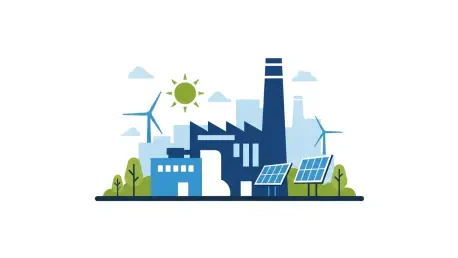
A massive 80-acre solar park, complemented by extensive rooftop panels, serves as the energy engine for the entire operation. These installations generate approximately 28 MWp of power, which is enough to match the facility’s total annual energy requirements. This self-sustaining loop ensures that the molding and packing processes are powered by clean, renewable sunlight rather than fossil fuels.
Advanced Manufacturing and Precision Engineering
Inside the facility, state-of-the-art molding technology operates with a level of accuracy that borders on the scientific. Machines are capable of producing bricks with a tolerance of within 1/10th of a hair’s width, ensuring that every piece fits perfectly with those made decades ago. This level of precision is essential for maintaining the “clutch power” that defines the brand’s identity across generations.
Sustainable Construction and Zero-Waste Goals
The physical structures themselves are built with the environment in mind, utilizing carbon-sequestering mass timber for office spaces. The project has pursued and maintained the prestigious LEED Platinum certification, the highest standard for green building. Furthermore, a strict zero-waste-to-landfill mandate ensures that every scrap of material is either recycled or repurposed within the production cycle.
What Sets the Virginia Factory Apart
What truly distinguishes the Chesterfield site is the “factory-in-a-park” concept, which intentionally integrates the massive industrial footprint into the surrounding natural landscape. This design philosophy moves away from the traditional eyesore of manufacturing and toward a harmonious layout that preserves local biodiversity. It demonstrates that a facility of this magnitude can be an aesthetic and ecological asset to its host community.
Moreover, the shift toward carbon neutrality was treated as a core business driver rather than a secondary marketing goal. The site operates under the philosophy that sustainability is a prerequisite for long-term economic viability. By embedding these values into the very foundation of the plant, the company has set a new global standard that challenges other industry leaders to rethink their own manufacturing legacies.
Current Progress and Economic Vitality
The economic pulse of the Greater Richmond area has quickened as the facility reaches its operational stride. Currently, the site supports a robust workforce of 500 people, with plans to expand to 1,760 high-skilled positions over the next decade. This growth provides a significant boost to the regional economy, offering careers in everything from robotics and engineering to logistics and environmental management.
The physical construction reached a symbolic peak with the “topping out” of the steel structure, and the site is now operating at a level that underscores its massive 1.7-million-square-foot capacity. Beyond the gates, the company has already distributed $3.5 million in community grants. these funds focus on play-based learning initiatives, ensuring that the presence of the factory benefits local children and educators as much as it does the global supply chain.
Reflection and Broader Impacts
Reflection
The success of the Virginia facility highlights the strengths of a regional supply chain model, yet it also brings to light the immense challenges of maintaining such high-precision manufacturing at scale. Operating a carbon-neutral site requires a constant balance between energy consumption and generation, necessitating ongoing innovation in battery storage and machine efficiency. The project has proven that the technical hurdles of green manufacturing are surmountable with enough capital and corporate will.
Broader Impact
This facility serves as a vital blueprint for the ongoing “green” manufacturing revolution. By demonstrating that a $1.5 billion investment can prioritize the planet without sacrificing productivity, it has influenced global industry standards. Other multinational corporations are now looking to this Virginia hub as a case study on how to modernize their aging infrastructure to meet the demands of a more environmentally conscious global market.
Conclusion: Building a Greener Future, One Brick at a Time
The scale of the Virginia investment reflected a bold commitment to a sustainable industrial future. By integrating renewable energy, zero-waste protocols, and advanced engineering, the project successfully harmonized massive growth with environmental preservation. It showed that the legacy of a brand could be built on more than just its products; it could be defined by the very footprint it left behind.
As industry continues to evolve, the lessons learned from this facility will likely shape future construction projects across the globe. Stakeholders should now look toward implementing similar circular economy models in other sectors to ensure that manufacturing remains a viable part of a low-carbon world. The success of this hub secured a path forward where industrial progress and ecological integrity finally spoke the same language.