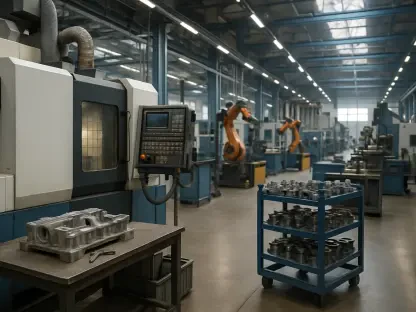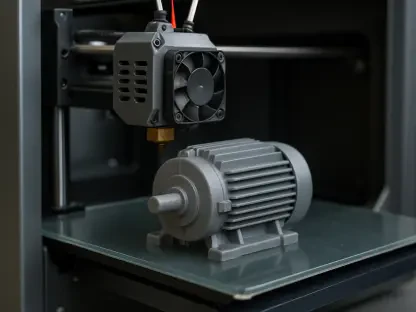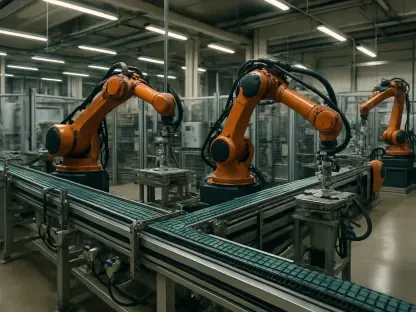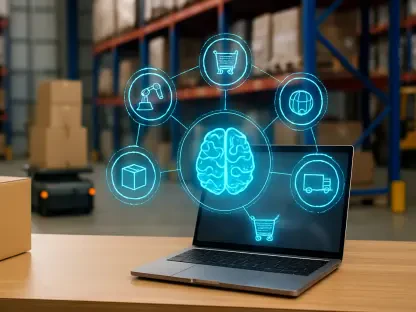

The manufacturing landscape of 2026 demands a level of precision and speed that traditional enterprise resource planning tools simply were not built to handle. Gone are the days when these systems were merely digital filing cabinets for back-office accounting tasks and static record-keeping. Modern ERP architecture has transitioned into a dynamic ecosystem characterized by intuitive cloud-based interfaces and embedded artificial intelligence that fuels every stage of the production lifecycle. For organizations operating in today’s hyper-competitive global market, the platform is no longer a peripheral IT expense but the very central nervous system of the enterprise. This evolution reflects a broader industrial shift where data liquidity and real-time processing determine whether a company can absorb sudden economic shocks or succumb to them. As margins continue to tighten across various sectors, the ability to leverage a sophisticated digital backbone has become the defining characteristic of market leaders who prioritize strategic growth over simple operational survival.
Streamlining Operations: The Power of Centralized Data
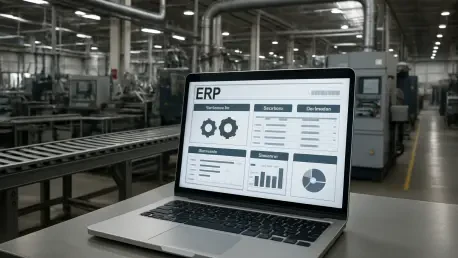
The primary value proposition of a modern integrated system lies in its capacity to serve as the definitive single source of truth for an entire manufacturing organization. By consolidating disparate data streams from procurement, floor-level production, sales, and financial departments into a unified repository, the software effectively dismantles the fragmented information silos that traditionally plague large-scale operations. When a sales professional enters a high-volume order in one region, the system immediately recalculates production priorities and material requirements across the global network without manual intervention. This level of synchronization ensures that every stakeholder, from the factory foreman to the chief financial officer, is working with identical, up-to-the-minute information. Such architectural coherence allows leadership to exercise a degree of oversight that was previously impossible, transforming raw data into a clear map of the company’s current operational health and future capacity.
Manufacturers are currently navigating a complex environment defined by unpredictable supply chain disruptions and escalating costs for raw materials and energy. In this volatile landscape, the luxury of waiting days or weeks for manual reports to be compiled has vanished entirely, replaced by a need for instantaneous visibility into every link of the chain. Modern ERP systems address these existential pressures by providing the inherent agility required to pivot production strategies at a moment’s notice when external conditions shift. By standardizing data formats and automating cross-departmental workflows, these platforms significantly reduce the risk of human error while establishing consistent protocols across multiple domestic and international facilities. This unified digital framework enables more sophisticated demand forecasting models, allowing businesses to anticipate market fluctuations and secure their position. Ultimately, the integration of these tools serves as a primary defense against the erosion of profitability in an increasingly high-stakes global economy.
Operational Growth: Enhancing Productivity and Global Scalability
One of the most immediate and measurable advantages of upgrading to a contemporary platform is the substantial increase in overall labor productivity and resource efficiency. Despite the technological advancements available, many firms still find themselves bogged down by a patchwork of disconnected spreadsheets and legacy applications that require constant manual reconciliation. This fragmented approach invariably leads to costly data duplication, inventory discrepancies, and delays that ripple through the entire fulfillment process. A modern enterprise system eliminates these friction points by offering a cohesive digital interface where inventory tracking, quality control, and financial reporting work in perfect harmony. By automating repetitive administrative tasks, the software liberates skilled workers to focus on high-value activities such as process optimization and product innovation. This transition not only streamlines the daily workflow but also creates a scalable foundation that can support rapid organizational expansion without a proportional increase in overhead costs.
Expanding into new territories requires navigating a maze of international complexities, ranging from fluctuating exchange rates to diverse regulatory frameworks and tax structures. Modern ERP solutions are purpose-built to manage these intricacies, offering robust support for multi-currency transactions and automated compliance reporting that adapts to local legal requirements. For manufacturers aiming to maintain a competitive edge on the world stage, this functionality is essential for ensuring that global logistics and financial settlements remain accurate and transparent. Visibility has emerged as the most valuable asset for any modern producer dealing with the realities of shipping bottlenecks and sudden material shortages. These systems provide granular, real-time insights into supplier performance and lead times, allowing procurement teams to move from a reactive posture to a proactive strategy. By monitoring stock levels with extreme precision, organizations can avoid the capital-draining trap of excess inventory while ensuring they have the necessary components to meet customer demand.
Future Readiness: Driving Innovation Through Advanced Analytics
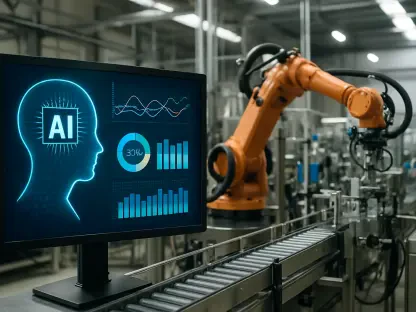
The transformation of enterprise systems into advanced analytical engines represents the current frontier of industrial innovation, particularly with the integration of machine learning. These platforms now offer sophisticated business intelligence tools and customizable dashboards that allow managers to monitor machine utilization rates and production costs with unprecedented detail. The inclusion of artificial intelligence goes a step beyond traditional reporting by enabling predictive modeling that identifies potential equipment failures or quality deviations before they actually occur. This capability allows manufacturers to transition away from subjective decision-making based on intuition and toward a methodology rooted in empirical evidence and statistical probability. By analyzing vast quantities of historical and real-time data, AI-driven ERPs can suggest optimizations for energy consumption and waste reduction that would be invisible to the human eye. This shift toward a data-centric philosophy ensures that every operational adjustment is backed by actionable insights.
While the journey toward full digital integration presented significant hurdles, the successful adoption of these systems required a disciplined approach to change management. Organizations that prioritized clear executive leadership and partnered with specialized consultants navigated the complexities of data migration and system selection with far greater ease than those that attempted the transition in isolation. It was found that a phased implementation strategy, focused on high-impact areas first, allowed personnel to adapt to new workflows while minimizing operational downtime during the transition period. Leadership teams recognized that fostering a culture of data literacy was just as important as the software itself, ensuring that employees at all levels understood how to interpret and act upon the insights provided. Ultimately, the move toward a modernized ERP architecture proved to be a necessary investment for those seeking long-term resilience. By securing a unified digital foundation, manufacturers successfully positioned themselves to thrive in an era where agility and data-driven precision remained paramount.