
The modern factory floor presents a stark contradiction, where hyper-connected, intelligent machinery operates under the protection of security protocols that are often dangerously manual and outdated. Manufacturers have enthusiastically embraced digital transformation to boost productivity and innovation, yet many of their core security practices, particularly patching, have failed to keep pace. This growing gap creates a significant and exploitable vulnerability, especially as cybercriminals increasingly leverage AI to automate their attacks, turning long-forgotten software flaws into immediate threats.
This reliance on outdated processes is no longer a sustainable risk. In the current threat landscape, automated patch management has transitioned from a beneficial IT tool to a critical business function essential for survival and operational resilience. The speed and scale of modern cyber threats have rendered manual methods insufficient, forcing organizations to adopt a more dynamic and automated defensive posture. Ignoring this shift is not just a security failure; it is a strategic business miscalculation that can lead to costly downtime, data breaches, and reputational damage.
Therefore, understanding the trajectory of this technology is paramount. This analysis will explore the accelerating industry-wide adoption of patch automation and its tangible applications in complex industrial environments. It will also delve into expert perspectives on overcoming the significant implementation challenges that persist and map out the future of patch management as it evolves into an integrated, AI-driven component of corporate strategy.
The Accelerating Shift Towards Patch Automation
Market Adoption and Growth Metrics
A powerful industry consensus is forming around the necessity of automation. Recent data reveals that an overwhelming 94% of IT and security professionals have either adopted or are planning to adopt automated patch management solutions. This figure signals a definitive pivot away from the manual, time-consuming processes of the past and reflects a widespread acknowledgment that legacy approaches cannot contend with the modern threat environment. The market is not just warming to the idea of automation; it is actively moving to make it a standard operational practice.
However, a critical gap persists between intent and effective execution. In contrast to the near-universal ambition to automate, over 75% of enterprises report that it still takes a week or longer to deploy critical security patches across their networks. This significant delay leaves a wide window of exposure, providing ample opportunity for attackers to exploit known vulnerabilities before they are remediated. This disparity underscores the operational and cultural challenges that organizations face in translating their automation strategies into swift, decisive action.
These figures together illustrate a trend born of necessity. The volume of new vulnerabilities discovered daily, combined with the increasing sophistication and speed of automated exploits, has created a security environment where manual intervention is simply too slow. Organizations are realizing that to protect their assets and maintain operational continuity, they must automate their defenses. The shift toward automated patching is therefore not a matter of convenience but a fundamental response to the escalating pace of cyber warfare.
Practical Applications in Manufacturing Environments
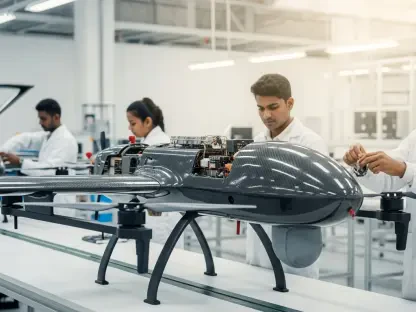
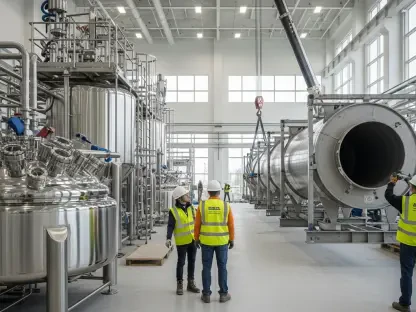
One of the most compelling use cases for automation in manufacturing is in mitigating the risks posed by legacy systems. Industrial environments are replete with production-critical machinery running on older, often unsupported software. Automation allows security teams to systematically address these years-old vulnerabilities during planned downtime, such as over holiday periods, without disrupting operations. This methodical approach prevents these overlooked assets from becoming the entry point for the next major breach, turning a chronic liability into a managed risk.
Furthermore, automation is essential for securing the ever-expanding Industrial Internet of Things (IIoT). As smart sensors and connected machinery proliferate on the factory floor, they often create “shadow IT” blind spots, with devices added to the network without proper security oversight. Automated tools can perform comprehensive network discovery to map all connected endpoints, identify devices using vulnerable default credentials, and consistently enforce security policies. This provides critical visibility and control over a diverse and dynamic attack surface that would be impossible to manage manually.
The true power of this trend is realized through the integration of disparate security and IT systems. By connecting vulnerability detection platforms with patch orchestration tools and asset management databases, manufacturers can create a seamless, end-to-end remediation workflow. This integration eliminates the error-prone manual handoffs and outdated reports that often cause delays. When a threat is identified, the process of patching, verification, and reporting becomes a fluid, automated sequence, dramatically accelerating response times and improving an organization’s overall security posture.
Expert Insights on Overcoming Implementation Hurdles
Despite the clear benefits of automation, significant obstacles to successful implementation remain, many of which are human rather than technical. According to industry expert Chaz Spahn, director of product management, a primary impediment is the lack of coordination between different teams. This “collaboration gap” is a major issue for 64% of organizations, who report struggles in aligning the efforts of vulnerability detection teams with the IT operations groups responsible for remediation. Without a unified process, critical intelligence about threats fails to translate into protective action, leaving the organization exposed.
The challenge is compounded by the involvement of stakeholders outside of traditional IT and security roles. In fact, 58% of organizations report that patching is frequently delayed due to the need for approvals from business leaders, such as plant managers or line-of-business owners. These stakeholders are understandably concerned about potential operational disruptions, creating a natural tension between security imperatives and production uptime. This dynamic often results in deferred patches and a prolonged state of vulnerability.
Ultimately, these hurdles underscore a deeper truth: technology alone cannot solve the problem. Experts assert that achieving true cyber resilience requires a profound cultural shift toward shared responsibility for security. This cultural mandate involves moving beyond siloed functions and fostering an environment where everyone, from the C-suite to the plant floor, understands their role in the security lifecycle. This shift must be supported by tools that provide unified, role-based visibility, allowing different stakeholders to access relevant information and collaborate on risk-based decisions effectively.
The Future of Patch Management Integration AI and Culture
Looking ahead, the evolution of patch management will be defined by an escalating technological arms race. As adversaries increasingly use AI to discover vulnerabilities and generate exploits, defense mechanisms will inevitably follow suit. The industry is moving toward an era of AI-powered defensive automation, where security systems will not just react to threats but predict and prevent them. This shift will transform patch management from a reactive, compliance-driven task to a proactive and intelligent security function.
A mature automation strategy delivers substantial benefits, including reduced unplanned downtime, streamlined compliance audits, and enhanced enterprise-wide resilience. However, persistent challenges will continue to test organizations. Overcoming institutional inertia and bridging the long-standing cultural and technological gap between Information Technology (IT) and Operations Technology (OT) teams remain critical hurdles. The convergence of these two worlds is essential for securing modern industrial environments, yet it requires a delicate balance of shared goals, mutual understanding, and integrated technologies.
This evolution is fundamentally redefining the role of patch management within the enterprise. It is no longer a routine maintenance chore confined to the IT department but a mission-critical component of broader business strategy. In an economic landscape where operational continuity is directly threatened by intelligent and automated attacks, the ability to maintain a secure, up-to-date, and resilient infrastructure becomes a crucial competitive advantage, directly impacting profitability and market position.
Conclusion From Vulnerability to Resilience in 2026
The analysis presents a clear verdict: manual patching is an obsolete practice that is dangerously unsuited for the modern threat landscape. The proliferation of legacy systems and IIoT devices in manufacturing environments poses a clear and present danger, creating an expansive attack surface that adversaries are eager to exploit. Integrated, intelligent automation is now the only viable path forward for organizations seeking to defend themselves effectively.
This trend underscores that the race is not merely against external hackers but also against internal complexity, organizational inertia, and the unyielding pace of technological change. As cyber adversaries continue to automate their offensive capabilities, businesses must respond in kind by automating their defenses. Survival in this new era depends on the ability to act with a speed and scale that only technology can provide.
To build the cyber resilience necessary for the challenges of 2026 and beyond, manufacturers must embrace a proactive and modernized security posture. This requires a commitment to closing long-standing patch gaps in legacy systems, automating trusted workflows to ensure speed and consistency, and unifying visibility across all assets and teams. By taking these decisive steps, organizations can transform themselves from vulnerable targets into resilient enterprises prepared for the era of intelligent threats.