
The global manufacturing sector currently finds itself caught in a high-stakes race between the desperate need for lightning-fast wireless data and the terrifying reality of sophisticated cyber warfare. This industrial paradox defines the modern landscape, where the push for automation often outpaces the ability to defend the very systems driving it. As the backbone of the global supply chain, wireless infrastructure has transitioned from a mere convenience to a critical asset that dictates economic stability.
This analysis explores the current state of high-performance network adoption, the staggering financial consequences of security lapses, and the looming labor crisis that threatens to derail progress. By examining the friction between operational efficiency and systemic risk, we can map out a strategic future for industrial resilience.
The State of Wireless Adoption and Security Vulnerabilities
Rapid Integration of Next-Generation Connectivity: The Wi-Fi 7 Frontier
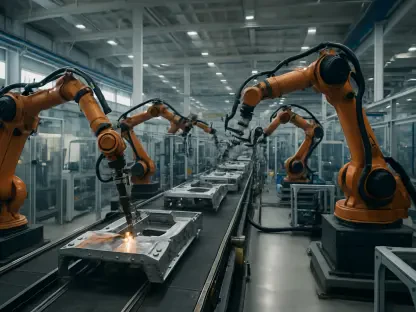
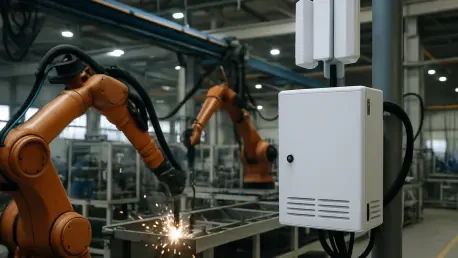
Industrial leaders are moving toward Wi-Fi 7 with unprecedented speed, as nearly a third of all manufacturers prepare for deployment. This shift is fueled by the demand for real-time data processing and autonomous systems that require zero-latency communication. High-performance connectivity has become the lifeblood of the factory floor, enabling complex robotics to operate with a level of precision that was previously impossible.
The Real-World Cost: Industrial Breaches and Financial Impact
However, this rapid digital expansion has left the door wide open for attackers, with 84 percent of firms experiencing wireless breaches recently. These incidents are not merely technical glitches; they represent a direct assault on production safety and operational integrity. The financial fallout is devastating, with nearly 20 percent of affected organizations reporting losses that exceed $10 million, highlighting a dangerous gap in current defense protocols.
Industry Expert Perspectives and the Human Capital Factor
The Specialized Labor Crisis: A Brain Drain Toward AI
A critical hurdle in securing these networks is the migration of specialized talent away from traditional industrial roles. Over half of the workforce skilled in wireless infrastructure is shifting toward AI and machine learning startups, leaving a massive void in technical expertise. This brain drain makes it increasingly difficult for firms to manage the complex interplay between legacy hardware and modern security requirements.
Strategic Synchronization: Aligning IT and OT Departments
Experts argue that the only way to combat this shortage is through the total integration of Information Technology and Operational Technology. Rather than working in silos, these departments must align their goals to ensure that security is baked into every hardware installation. When these teams synchronize, they transform cybersecurity from a reactive emergency measure into a primary strategic advantage that protects the entire enterprise.
The Future Landscape of Industrial Connectivity
The projected 73 percent boost to revenue suggests that advanced wireless investment remains an indispensable path forward. Nevertheless, geopolitical instability and targeted cyberattacks are forcing a transition toward “security-by-design” in industrial hardware. As systems become more interdependent, the focus will likely shift to autonomous security protocols that can mitigate threats even when human oversight is limited.
Conclusion and Strategic Outlook
Industrial leaders recognized that the path to a resilient future required bridging the gap between high-speed connectivity and protective architecture. By synchronizing operational technology with advanced defense measures, they turned a period of extreme vulnerability into a era of sustainable growth. The focus shifted toward securing the supply chain at its core, ensuring that the engine of manufacturing remained protected against both digital and physical disruptions.