
The global fashion industry is grappling with an immense waste problem, compelling leaders to seek viable, large-scale solutions that move beyond niche recycling programs and into the core of mainstream production. A landmark strategic cooperation agreement between man-made cellulosic fibre (MMCF) producer Birla Cellulose and Swedish sustainability technology firm Circulose represents a pivotal move in this direction. This collaboration aims to fundamentally reshape the textile supply chain by leveraging innovative recycling technology and established industrial power. The core objective is to expedite the adoption of circular practices by creating a reliable and scalable source of high-quality fibres derived entirely from textile waste, potentially setting a new standard for how clothing is manufactured and consumed. By uniting a tech pioneer with a manufacturing giant, the partnership confronts the critical challenge of scaling circularity from a promising concept into a commercial reality, with the potential to significantly reduce the industry’s environmental footprint and dependence on virgin materials.
Forging a New Supply Chain for Sustainability
The Mechanics of the Collaboration
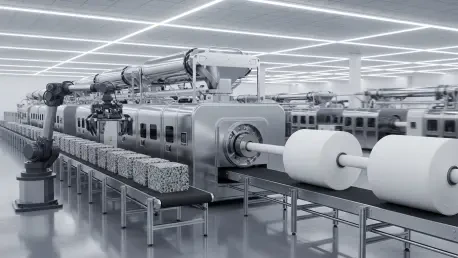
The operational framework of this partnership is designed for maximum impact, creating a direct pipeline from textile waste to new, high-quality fabric. At the heart of the agreement is the innovative pulp developed by Circulose, which is uniquely produced from 100% recycled cellulosic textile waste, such as worn-out cotton jeans and other discarded garments. Under the terms of the deal, Circulose will supply this specialized pulp exclusively to Birla Cellulose. In turn, Birla Cellulose will utilize its extensive and sophisticated industrial infrastructure to process the pulp, transforming it into finished man-made cellulosic fibres. These finished fibres will then be distributed through Birla’s global network to textile manufacturers and fashion brands worldwide. This structured arrangement is not merely a transactional supply agreement; it is a strategic integration of two critical components of the circular economy. It combines Circulose’s patented, cutting-edge recycling technology with Birla Cellulose’s proven capacity for mass production and global distribution, creating a powerful synergy aimed at making recycled fibres a mainstream commodity rather than a niche alternative.
This collaborative model directly addresses one of the primary obstacles to a circular fashion economy: the lack of a consistent and large-scale supply of recycled materials that meet the quality standards of major brands. By leveraging Birla Cellulose’s established manufacturing footprint, which includes ten pulp and fibre production sites globally, the partnership can ensure a steady and reliable output of recycled fibres. This industrial scale is crucial for convincing large fashion houses to incorporate these materials into their primary collections. The joint effort aims to fortify the entire supply chain for recycled textiles, moving beyond small-scale pilot projects to create a robust and commercially viable ecosystem. The ultimate goal is to build confidence among brands and manufacturers that they can depend on a consistent flow of sustainable materials, thereby encouraging wider adoption and accelerating the industry’s transition away from a linear “take-make-waste” model. This ensures that the recycled fibres are not only environmentally superior but also commercially practical for mainstream fashion production.
A Shared Vision for a Circular Economy
From Birla Cellulose’s standpoint, this alliance is a cornerstone of its commitment to embedding sustainability and circularity into its core business strategy. Vadiraj Kulkarni, the business head of the company, emphasized that the partnership signifies a major advancement in the pursuit of responsible and sustainable sourcing. He articulated that the collaboration reaffirms Birla Cellulose’s dedication to providing high-quality, eco-conscious fibre solutions that empower their customers while actively contributing to a circular future. This move is a natural progression for a company that has positioned itself as a major sustainability-focused MMCF producer. With a formidable infrastructure that includes five advanced research centers equipped with pilot plants, Birla Cellulose has the technical and operational capacity to not only integrate Circulose’s pulp but also to innovate further in the field of recycled textiles. The partnership allows the company to enhance its sustainable product portfolio and meet the growing demand from fashion brands for traceable and circular materials, solidifying its leadership position in the sustainable fibre market.
For Circulose, this partnership is a critical component of a refined business strategy designed to propel recycled materials into the mainstream. Jonatan Janmark, CEO of Circulose, explained that the company has recently sharpened its focus to place brands at the center of its efforts, creating offerings that facilitate the widespread adoption of circular materials. He stressed that achieving this ambitious goal necessitates closer and more strategic collaboration with key partners across the entire value chain. The alliance with Birla Cellulose is described as a cornerstone of this strategy, providing the industrial muscle needed to scale its patented technology. Circulose’s process, which recycles textile waste into a new raw material also named Circulose, has been proven technologically, but its market impact depends on its ability to be produced at scale. By partnering with an industry leader like Birla Cellulose, Circulose gains access to the manufacturing capacity and global reach required to move its product from a niche innovation to a staple material for the global fashion industry, thereby realizing its mission to close the loop on fashion.
Strategic Alliances as a Catalyst for Change
Building a Network of Innovation
This agreement with Circulose is not an isolated event but rather a key element in Birla Cellulose’s broader, deliberate strategy to spearhead textile-to-textile recycling through a network of key partnerships. This strategic direction was further evidenced in October 2024, when the company announced another long-term collaboration with Circ, a U.S.-based enterprise also specializing in advanced recycling technology. By forging alliances with multiple innovators in the circular technology space, Birla Cellulose is creating a diversified and resilient ecosystem for recycled fibre production. This multi-pronged approach demonstrates a deep-seated commitment to becoming a central hub in the circular fibre economy, rather than relying on a single technology or partner. This strategy allows the company to explore and scale different recycling methodologies, catering to various types of textile waste and meeting the diverse needs of the fashion market. It positions Birla Cellulose not just as a manufacturer, but as an enabler and integrator of cutting-edge sustainable technologies, accelerating the industry’s overall progress toward circularity.
The trend of established industrial giants partnering with agile technology startups reflects a significant shift in how innovation is being pursued within the textile industry. Such collaborations create a symbiotic relationship that benefits both parties and the broader sustainability movement. The established players, like Birla Cellulose, can de-risk their innovation efforts and accelerate their entry into new sustainable markets without having to build new technologies from the ground up. Meanwhile, tech innovators like Circulose and Circ gain the critical industrial scale and market access needed to commercialize their breakthroughs. This model combines specialized expertise in chemical recycling and material science with proven excellence in large-scale manufacturing and supply chain management. The partnership between Birla Cellulose and Circulose serves as a prime example of this powerful dynamic, illustrating how strategic alliances can effectively bridge the gap between invention and market-wide implementation, ultimately redefining industry standards for sourcing and producing materials in a more responsible manner.
Paving the Way for a New Textile Paradigm
The collaboration between Birla Cellulose and Circulose was strategically designed to dismantle some of the most persistent barriers that have hindered the mainstream adoption of circular fashion. Historically, recycled fibres have faced challenges related to inconsistent supply, variable quality, and an inability to compete on price with virgin materials. This partnership directly confronted these issues by creating a fortified and predictable supply chain. By integrating Circulose’s consistent feedstock of high-quality recycled pulp with Birla’s industrial-scale manufacturing, the alliance established a reliable source of circular fibres that brands could depend on for their main collections. This move was crucial in shifting the perception of recycled materials from a niche, limited-edition option to a viable, scalable commodity. The resulting economies of scale aimed to make the fibres more cost-competitive, further lowering the barrier to entry for brands looking to transition toward more sustainable sourcing without compromising on quality or production volumes. This foundation laid the groundwork for a future where circularity was no longer an exception but an integral part of the textile industry’s operational standard.