
Machine tools have long been the silent architects of the modern world, yet the upcoming exhibition at Fieramilano Rho from October 13 to 16 represents a departure from traditional industrial showcases into a realm of hyper-connected production. With the slogan “Where it all begins,” the event underscores that every advancement in consumer electronics, aerospace, or medical technology starts with a high-precision machine tool capable of shaping reality. This 35th edition marks a significant milestone by celebrating seven decades of continuous organization while pivoting toward a strategic Tuesday-through-Friday schedule to better serve the logistical demands of B2B professionals. By moving away from weekend sessions, the organizers are prioritizing the quality of professional interactions, ensuring that the dialogue between manufacturers and innovators remains focused on industrial scalability and strategic partnerships. This shift reflects a broader understanding of the modern corporate environment where efficiency and targeted networking are paramount for high-level decision-makers.
Integrating Intelligence into the Production Floor
The Convergence of Robotics and Digital Connectivity
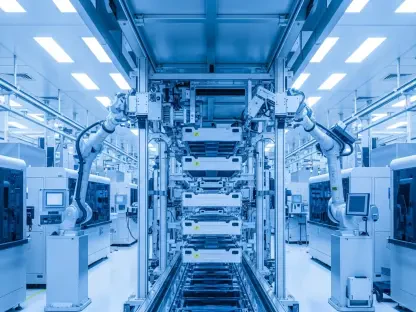
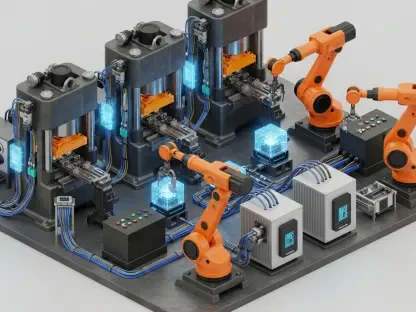
The industrial landscape is currently witnessing a profound transformation where hardware and software are no longer separate entities but rather a unified biological-like system of production. Within the “Robotheart” exhibition area, the focus shifts toward the integration of artificial intelligence and advanced robotics, moving beyond simple repetitive tasks toward cognitive manufacturing. These systems are designed to perceive their environment and adjust operations in real-time, reducing downtime and optimizing energy consumption across the assembly line. By showcasing these technologies in an active environment, the event provides a tangible roadmap for how companies can transition from traditional mechanical setups to autonomous ecosystems. This evolution is not merely about replacing labor but about augmenting human capability, allowing operators to oversee complex fleets of machines that communicate through high-speed data protocols to maintain peak performance during the entire production cycle.
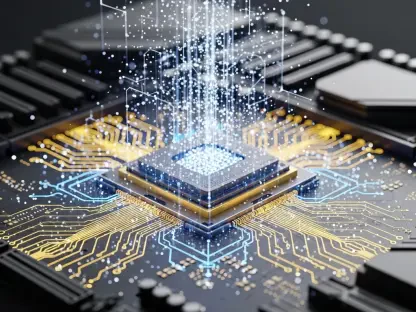
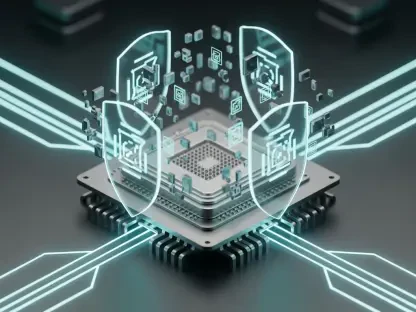
Complementing this physical automation is the “Bi-Mu Digital” segment, which serves as the nervous system for the modern smart factory through advanced software and connectivity solutions. In an era where data is as valuable as the raw materials being processed, the emphasis on cybersecurity and cloud-based management has become a non-negotiable requirement for industrial security. Exhibitors in this space are demonstrating how interconnected machines can utilize predictive maintenance algorithms to identify potential failures before they occur, thus preventing costly disruptions in the supply chain. This digital framework allows for a level of transparency and control that was previously unattainable, enabling facility managers to monitor global operations from a single interface. The synergy between robust cybersecurity measures and seamless data flow ensures that as factories become more connected, they also become more resilient against external threats and internal inefficiencies that often plague older systems.
Precision Engineering and Circular Economy Practices
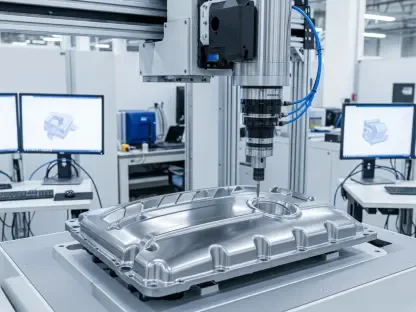
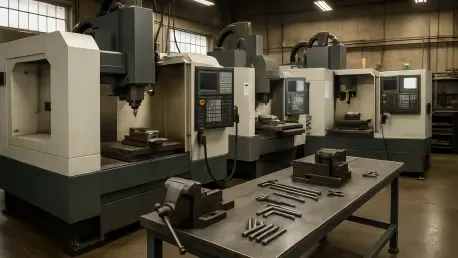
Innovation in manufacturing is increasingly defined by the ability to produce highly complex geometries that were once considered impossible through traditional subtractive methods. The “Amitaly” section addresses this by focusing on the additive manufacturing supply chain, where 3D printing technologies are being utilized to create lightweight, high-strength components for the aerospace and medical sectors. When paired with the “Tool Tech” segment, which highlights high-precision tooling, the result is a comprehensive look at the modern machining process where every micron matters. These advancements allow for a significant reduction in material waste, as components can be designed with internal lattice structures that maintain structural integrity while using a fraction of the resources. This intersection of additive and subtractive techniques represents the current gold standard for manufacturing, providing companies with the flexibility to prototype rapidly and move to full-scale production with minimal lead times.
Sustainability has moved from a peripheral concern to a core business strategy, particularly through the lens of equipment longevity and the efficient use of existing industrial assets. The “Revamping & Retrofitting” overview provides a critical perspective on how older machinery can be updated with modern sensors, controllers, and energy-efficient motors to meet contemporary standards. This approach to sustainable life-cycle management allows firms to achieve the benefits of digitalization without the massive capital expenditure and environmental impact associated with purchasing entirely new equipment. By highlighting the growing market for refurbished machinery, the event champions a circular economy model where the value of industrial hardware is preserved through continuous improvement rather than disposal. This strategy not only reduces the carbon footprint of the manufacturing sector but also ensures that smaller enterprises can remain competitive by gradually upgrading their capabilities to match larger competitors.
Cultivating Innovation and Strategic Human Capital
Recognizing Excellence and Sectoral Growth
The transition toward a more sophisticated manufacturing sector requires a platform for high-level discourse and the recognition of those pushing the boundaries of what is technically possible. The “Bi-Mupiù” arena serves as this central hub, hosting a series of technical sessions and thematic discussions that dive deep into high-growth investment sectors such as Defense, Energy, and Aerospace. These sessions are designed to move beyond generalities, offering specific insights into how emerging geopolitical shifts and energy transitions are dictating the requirements for the next generation of machine tools. By bringing together industry leaders and policy influencers, the arena fosters an environment where the economic and technical aspects of manufacturing are treated as a single, cohesive narrative. This focus on strategic sectors ensures that participants leave with a clear understanding of where market opportunities lie and how to align their production capabilities with the needs of the global economy.
Furthermore, the introduction of the “Bi-Mu Futurtech Awards” marks a formal commitment to incentivizing excellence in mechanical innovation, digitalization, and environmental stewardship. These awards do not simply honor the largest companies, but rather focus on those who have implemented the most effective and creative solutions to modern industrial challenges. Whether it is a breakthrough in energy-efficient heat treatments or a revolutionary new software for metrology and testing, the awards highlight the diverse ways in which the industry is evolving. This recognition serves as a powerful motivator for research and development teams, signaling that the market highly values contributions that improve both the bottom line and the broader impact of industrial production. By institutionalizing this praise, the event ensures that the spirit of competition remains focused on constructive advancement, ultimately driving the entire industry toward a more efficient and sustainable future through shared technological progress.
Bridging the Talent Gap through Practical Engagement
A significant challenge facing the industrial sector today is the growing disconnect between the rapid pace of technological change and the availability of a skilled workforce to manage these new systems. The “Education & Job” initiative directly addresses this by creating a direct link between academic institutions and the industrial world, fostering a pipeline for the next generation of engineers and technicians. A highlight of this effort is the “Robotgames” automation contest, where students are given the opportunity to apply their theoretical knowledge to real-world robotics challenges. This hands-on experience is invaluable for demystifying the complexities of modern manufacturing and showing young talent that the factory of today is a high-tech environment driven by software and creativity. By engaging students early, the industry can ensure a steady influx of workers who are not only familiar with advanced technologies but are also excited about the possibilities they offer.
Preparation for the main event has been bolstered by a series of pre-show forums held at prestigious innovation hubs like Kilometro Rosso, which focus on the burgeoning field of humanoid robotics. These discussions serve as a bridge between current industrial automation and the more versatile, human-like machines that are beginning to enter the workspace to perform tasks that require high levels of dexterity and adaptability. These forums provide stakeholders with a preview of the upcoming trends and allow for a more nuanced discussion on how to integrate these advanced systems into existing workflows. By synthesizing traditional excellence in machine tools with cutting-edge robotics research, the event establishes itself as a comprehensive ecosystem for manufacturing intelligence. This proactive approach ensures that by the time the fair begins, the community is already aligned on the key technological priorities, making the physical exhibition a place for implementation rather than just initial exploration of the current landscape.
The participants in the industrial sector successfully recognized that the integration of digital tools and physical hardware was the primary driver for growth. Stakeholders focused on the transition toward circular economy models by investing in retrofitting services to extend the operational life of existing machinery while reducing environmental impact. Manufacturers adopted specialized tooling and additive processes to meet the increasing demand for complex components in the aerospace and energy sectors. Strategic partnerships were formed during the event to address the urgent need for a more skilled workforce, utilizing competitive automation platforms to engage younger generations. Industry leaders emphasized that the future of production resided in the ability to harmonize high-speed connectivity with robust mechanical engineering. Moving forward, companies should prioritize the implementation of predictive maintenance and humanoid robotics to maintain a competitive edge in an increasingly automated global market. Professional development programs remained a critical investment to ensure that personnel could effectively manage the sophisticated systems showcased during the fair.