
The landscape of global manufacturing is currently witnessing an extraordinary metamorphosis as Brazil sheds its historical identity as a mere supplier of raw commodities to emerge as a sophisticated architect of digital and sustainable industrial solutions. This transition is not an accidental byproduct of global trends but a deliberate, strategic realignment designed to place the South American nation at the forefront of the Fourth Industrial Revolution. By successfully marrying aggressive technological adoption with a pre-existing clean energy infrastructure, the country is addressing the dual global mandates of efficiency and decarbonization. The momentum behind this shift is palpable in the corridors of power and across factory floors, where the focus has moved from volume to value. As the official partner of the Hannover Messe trade fair in 2026, the nation is signaling to international markets that its machinery sector is ready to provide the high-tech, low-carbon capital goods that the modern world requires to sustain growth without sacrificing environmental integrity. The collaboration between domestic innovators and global trade bodies serves as a blueprint for how developing economies can leapfrog traditional industrial phases to embrace cutting-edge automation.
Advanced Automation: Redefining Productivity In Brazilian Manufacturing
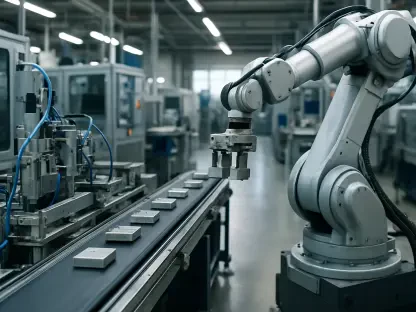
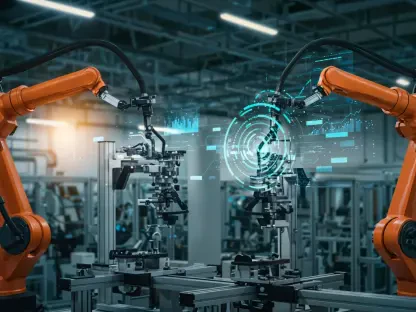
The adoption of artificial intelligence within the machinery and equipment sector has moved beyond experimental phases to become a fundamental pillar of national industrial strategy. Recent data reflects a surge in implementation, where over 65% of large-scale industrial firms have integrated advanced digital initiatives to streamline their operations. This shift is characterized by the deployment of adaptive systems that utilize machine learning to manage complex production cycles in real time, effectively eliminating traditional bottlenecks and reducing material waste. Unlike earlier iterations of automation that focused solely on repetitive tasks, these new AI-driven platforms are capable of autonomous decision-making and process optimization. By analyzing vast datasets generated during the manufacturing process, these systems can predict demand fluctuations and adjust throughput accordingly. This technological maturity is allowing Brazilian firms to overcome historical productivity hurdles, positioning them as formidable competitors against established industrial giants in North America and Europe.
Parallel to the rise of AI is the comprehensive integration of the Internet of Things, which is enabling a profound modernization of existing industrial infrastructure across the country. Instead of requiring the total reconstruction of facilities, many companies are successfully retrofitted with digital sensors and connectivity tools that transform aging “brownfield” sites into high-functioning “Living Factories.” This digital overlay allows for total visibility across the production floor, where data flows seamlessly between human operators and machinery to create a self-learning organizational structure. The benefits of this interconnectivity are most visible in predictive maintenance protocols, where real-time monitoring of equipment health prevents costly downtime before it occurs. By orchestrating a synergy between hardware and software, these intelligent hubs are maximizing the lifespan of capital assets while ensuring that every movement on the factory floor adds measurable value. This evolution is crucial for maintaining a responsive supply chain that can pivot quickly to meet the shifting demands of the international market.
Energy Sovereignty: The Role Of Renewables In Industrial Growth
Brazil possesses a distinct competitive advantage in the global market due to its clean energy matrix, which remains one of the most renewable and diversified on the planet. By drawing upon a robust mix of hydroelectric, wind, solar, and biomass power, the nation’s industrial sector is uniquely positioned to manufacture high-tech machinery with a significantly lower carbon footprint than its international rivals. This structural benefit is no longer just an environmental footnote but has become a central selling point for global buyers who are increasingly bound by strict sustainability and ESG reporting requirements. As the world moves toward mandatory carbon tracking, the ability to offer products created with green energy provides a massive edge in market access. Brazilian manufacturers are leveraging this green premium to secure partnerships in regions that prioritize environmental stewardship. This alignment between industrial capability and ecological responsibility demonstrates that the path to economic prosperity in the late 2020s must be paved with sustainable practices that respect both the balance sheet and the biosphere.
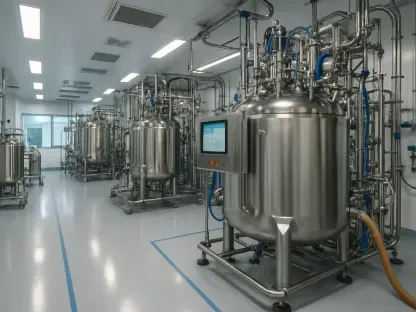
Beyond merely consuming renewable energy, the Brazilian machinery industry is actively developing and exporting the technologies required for global decarbonization. A primary focus has emerged in the realm of green hydrogen production, where advanced electrolysis methods are being utilized to convert water into a clean fuel source for heavy industry. By manufacturing specialized equipment like PEM electrolyzers and high-pressure storage systems, domestic firms are positioning themselves as critical suppliers for the international energy transition. This push into the hydrogen economy is a strategic move to capture market share in high-growth sectors such as green ammonia production and carbon-neutral shipping. The development of these complex technologies requires a high degree of engineering expertise, which the country has cultivated through decades of innovation in the energy sector. By providing the tools for other nations to lower their emissions, Brazil is transcending its role as a resource exporter to become a global provider of climate solutions. This technological leadership is essential for creating a resilient and future-proof industrial base.
Strategic Alliances: Scaling Innovation Through Institutional Support
The resurgence of the industrial sector is heavily supported by a unified framework of public and private cooperation, most notably through the Brazil Machinery Solutions program. This initiative represents a sophisticated effort to bridge the gap between domestic manufacturing innovation and the rigorous demands of the global marketplace. By providing companies with the tools and data necessary to navigate international trade, organizations like the Brazilian Machinery Builders’ Association and the Brazilian Trade and Investment Promotion Agency are fostering a culture of export excellence. This institutional backing has been instrumental in organizing the massive presence of over 140 Brazilian firms at major global stages, such as the Hannover Messe. These platforms allow domestic manufacturers to showcase their AI-integrated and IoT-enabled solutions directly to an international audience, effectively building a brand identity rooted in reliability and high technology. The synergy between government-led trade promotion and private-sector agility ensures that Brazilian innovations reach the right markets with the necessary technical and financial support for long-term success.
In the current competitive climate, the ability to meet and exceed international technical standards is the primary differentiator for companies seeking to dominate the capital goods market. Brazilian firms are increasingly focusing on niche but essential areas where they can offer specialized, high-quality solutions that compete effectively with traditional leaders. This focus is particularly evident in the production of complex components for the aerospace, agriculture, and energy sectors, where precision and durability are non-negotiable. By adopting rigorous quality control measures and international certifications, domestic manufacturers are shedding the outdated image of a commodity-based economy. The shift toward high-value manufacturing is also driven by a commitment to research and development, which outpaces many other sectors of the national economy. This dedication to continuous improvement ensures that the machinery being exported is not only technologically advanced but also specifically designed to integrate seamlessly into the global supply chains of North American and European buyers. As these firms continue to climb the value chain, they are redefining what it means to be an industrial powerhouse.
Future Horizons: Establishing A Resilient Industrial Framework
The strategic pivot toward a digitized and sustainable industrial model provided a clear roadmap for how the nation successfully integrated itself into the high-tech global economy. By prioritizing the convergence of artificial intelligence and renewable energy, the machinery sector established a new standard for operational excellence that resonated across international borders. This transformation allowed the country to move beyond simple manufacturing toward providing holistic, low-carbon solutions that addressed the most pressing challenges of modern industry. Leaders in the sector recognized that the future of competition lay in the ability to balance rapid technological growth with environmental responsibility, a feat that required constant innovation and institutional support. The actionable insights gained from this period suggested that maintaining a competitive edge necessitated ongoing investment in human capital and digital infrastructure. Moving forward, the focus shifted toward expanding these successes into emerging markets, ensuring that the reputation for quality and sustainability remained a permanent fixture of the national brand. This evolution proved that industrial maturity was achievable through a deliberate commitment to progress and a clear vision for a greener, smarter manufacturing landscape.