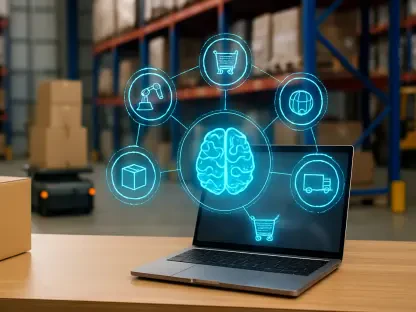

The meteoric rise of artificial intelligence is often discussed in terms of algorithms and vast datasets, yet its physical foundation is a colossal network of power-hungry data centers straining global infrastructure. As demand for AI services explodes, the construction of these facilities has become a new industrial race, where the primary bottleneck is not code but concrete, steel, and, critically, the specialized components needed to power racks of high-performance GPUs. The sheer energy density required by modern AI clusters generates immense heat and electrical stress, pushing conventional infrastructure to its limits. This has created an urgent need for a new class of physical hardware built for extreme conditions, sparking a conversation about whether a revitalized American manufacturing base can rise to the occasion and secure the supply chain for the next technological revolution. The answer may determine which nations lead the AI-powered future.
A New Generation of Infrastructure for AI
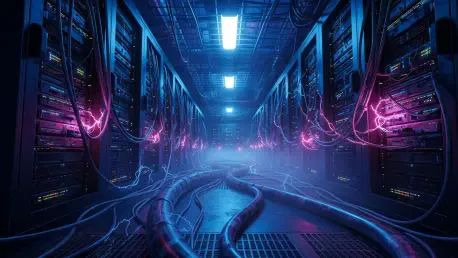
The cabling infrastructure inside a modern AI data center bears little resemblance to that of its predecessors, as generic wiring is fundamentally unequipped to handle the unprecedented electrical and thermal loads. The transition to AI and high-performance computing (HPC) has necessitated the development of next-generation power distribution systems engineered specifically for these demanding environments. These specialized cables are designed for heavy-amperage applications, ensuring they can safely and efficiently deliver the immense power required by dense GPU farms. Furthermore, a high-flex architecture is essential, allowing installers to navigate complex, tightly packed server racks, thereby reducing routing resistance and simplifying installation. Perhaps most critical is their thermal optimization. As AI clusters operate at consistently high temperatures, these cables are built to perform reliably without degradation, with options for environmental hardening against oil, moisture, and sunlight to ensure long-term operational integrity. This focus on technical excellence extends to electromagnetic stability, which provides clean, uninterrupted power delivery vital for sensitive computing equipment and helps maintain the integrity of data processing operations.
The Domestic Advantage in a Global Race
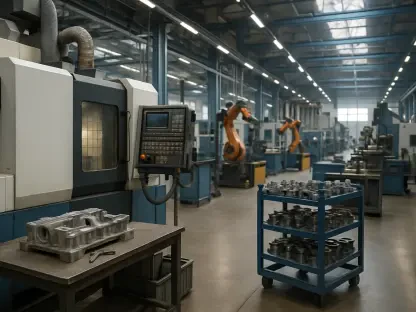
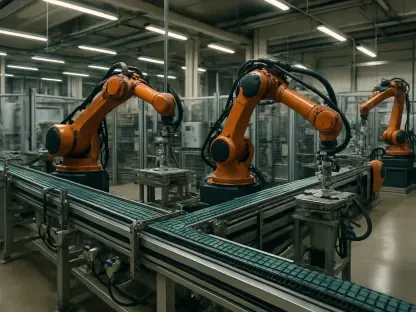
The strategic decision to onshore the production of this critical infrastructure was driven by the recognition that speed and reliability are paramount in the race for AI dominance. By controlling the entire manufacturing process domestically, from raw materials to finished products, companies created a vertically integrated supply chain that offers significant advantages over relying on overseas suppliers. This model dramatically accelerates production cycles, enabling data center developers to meet aggressive construction timelines and deploy AI capacity faster. Moreover, mission-critical reliability became the central focus, with every component manufactured under stringent quality controls compliant with UL, NEC, and ISO standards required for top-tier data facilities. This domestic control also unlocked a new level of customization; operators could specify exact conductor types, insulation chemistry, and performance ratings to perfectly match their unique electrical designs. The result was an optimized physical layer that not only performed better but also reduced operational costs by simplifying installation with materials designed for tight-radius bends, ultimately lowering the labor expenses associated with complex routing.