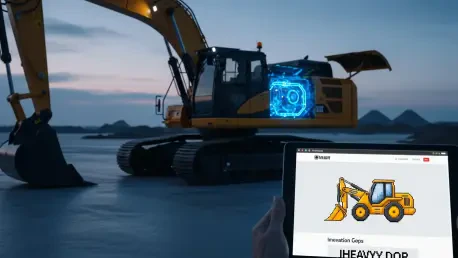

The most advanced heavy machinery operating in the field today utilizes sophisticated artificial intelligence to predict maintenance needs, optimize fuel consumption, and learn from real-time operational data. These technological marvels of engineering represent the pinnacle of industrial innovation. Yet, a striking paradox emerges when viewing the digital storefronts of the very companies that build them. The websites of many leading manufacturers often feel like relics from a bygone era—slow, disconnected from core business systems, and devoid of the intelligent, personalized capabilities that define modern digital experiences. This disparity highlights a critical blind spot: while AI revolutionizes the equipment, the primary channel for customer engagement remains woefully behind the times.
The Innovation Paradox: Smart Machines, Underperforming Websites
The central challenge facing the heavy equipment industry is the stark contrast between the intelligence embedded within its products and the lack of sophistication on its web platforms. This is more than just a matter of aesthetics; it is a fundamental business issue. A manufacturer’s website is no longer a simple marketing checkbox but a primary driver of sales, customer support, and brand perception. For a company that markets its equipment on the principles of efficiency and forward-thinking technology, an outdated digital presence sends a conflicting and damaging message.
A truly modern digital strategy acknowledges that a website is the central hub of a company’s commercial ecosystem. It should seamlessly connect customers, dealers, and internal teams while reflecting the same level of innovation found in the machinery itself. This article explores the current state of AI adoption in the industry, quantifies the significant costs of digital neglect, and provides actionable best practices for integrating AI to create a digital experience that is as intelligent and powerful as the equipment it represents.
Quantifying the Digital Disconnect: The Cost of an Outdated Online Strategy
In an increasingly competitive global market, falling behind in digital adoption is not just a missed opportunity; it is a significant business risk. Manufacturers that fail to bridge the AI gap on their websites face tangible consequences that impact efficiency, sales, and brand authority. The pattern seen in other industries is clear: companies that lag in technological adoption risk becoming obsolete as more agile competitors capture the market. This digital disconnect manifests in several critical areas.
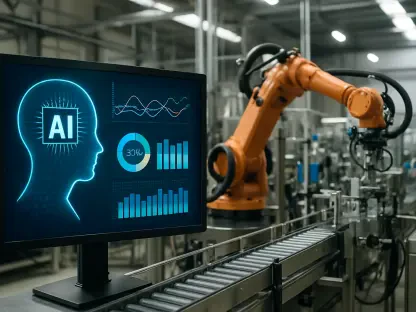
The chasm between manual processes and intelligent automation represents a major loss of efficiency. Internal teams often find themselves bogged down in reactive tasks, such as manual quoting and fragmented sales tracking, which create bottlenecks and slow down the entire sales cycle. In contrast, AI-driven workflows can eliminate these inefficiencies by automatically generating quotes, predicting parts requirements, and synchronizing dealer data across systems in real time. This shift frees up personnel to focus on high-value activities rather than administrative burdens.
Furthermore, static product listings on traditional websites fail to capture leads and sales opportunities effectively. These online catalogs present information passively, placing the entire burden of research and configuration on the customer. An AI-powered guided selling experience, however, transforms this dynamic. It personalizes recommendations based on user behavior, surfaces compatible parts and upgrades, and adapts to a buyer’s needs, creating a self-service B2B journey that feels both personal and intuitive, ultimately driving conversions and increasing order values.
A profound disconnect also arises between a brand’s reputation and its digital credibility. A manufacturer that promotes its cutting-edge, AI-enhanced equipment on a slow, difficult-to-navigate website undermines its own message of innovation. This inconsistency erodes customer trust and devalues the brand’s technological authority. In parallel, competitors who leverage AI for market insights and conversion optimization will inevitably gain a significant advantage, capturing market share while others are still grappling with manual data entry and outdated reporting methods.
Activating the Digital Ecosystem: How to Power a Smarter Website with AI
The next great wave of innovation for heavy equipment manufacturers lies not in building smarter machines but in creating a smarter digital ecosystem. This involves architecting a web presence that connects dealers, customers, and internal data in a fluid, intelligent, and real-time environment. By applying the same principles of optimization and intelligence to their websites, companies can close the gap between their products and their digital brand experience. The key is to implement practical AI applications that deliver immediate value and enhance the customer journey from discovery to purchase and beyond.
Elevate the User Experience with Intelligent Search and Personalization
Transforming a static website into a dynamic sales tool begins with leveraging AI to understand and anticipate customer needs. Instead of functioning as a passive digital brochure, an intelligent website actively guides users toward the right solutions. This can be achieved through AI-powered search tools that comprehend user intent rather than just matching keywords, allowing customers to find the correct specifications or parts much faster. Similarly, conversational AI and quoting assistants can guide visitors through complex product configurations, generate instant estimates, and seamlessly pass qualified leads to the sales team.
One of the most impactful applications is the use of predictive product recommendations. AI algorithms can analyze a wide range of data points—including user behavior, browsing history, past purchases, and specific equipment models—to suggest compatible parts, relevant accessories, and timely upgrades. This approach mirrors the sophisticated B2C e-commerce experience that customers have come to expect, not only improving the user experience but also increasing the average order value. A site that learns and adapts to its users will consistently outperform one that merely displays static information.
Modernize Data Strategy to Become the Authoritative Source
A successful AI implementation depends on a foundation of clean, structured, and accessible data. For manufacturers, this means moving beyond siloed information and establishing a modern data strategy that positions the company as the single source of truth for its products. When data is fragmented or controlled by third-party distributors, it becomes difficult for AI tools to provide accurate and timely information, leading to customer frustration and lost sales. By structuring product and inventory data for modern AI consumption, a manufacturer can ensure its information is authoritative and reliable.
The Eagle Crusher Model Context Protocol (MCP) serves as a powerful case study in this domain. MCP provides a clear set of instructions for large language models (LLMs), enabling them to access Eagle Crusher’s parts and inventory data directly and in real time through APIs. This prevents the AI from relying on outdated, scraped information from across the web. For a company building complex machinery with a vast range of spare parts, this is a game-changer. The MCP framework allows an AI assistant to accurately identify the correct replacement parts for a specific machine, check live inventory, and provide direct links for purchase, solidifying Eagle Crusher, not its distributors, as the definitive source.
Your Roadmap to Implementation: Taking a Measured Approach to AI
Integrating artificial intelligence into a digital strategy did not require a complete and disruptive overhaul of existing systems. The most successful adoptions began with a strategic and focused approach, proving the value of AI through targeted initiatives. By taking a measured path, heavy equipment manufacturers built momentum and secured internal buy-in for broader innovation.
The journey started with a comprehensive audit of existing digital assets and architecture to identify immediate opportunities and foundational weaknesses. From there, projects were prioritized based on their potential to solve real user experience pain points, ensuring that initial efforts delivered tangible benefits to customers and dealers. Testing AI through small, measurable pilot projects was crucial, as it allowed teams to prove return on investment before committing to large-scale deployments. Finally, partnering with experts who understood the industry’s unique challenges was essential for integrating new technology without disrupting established and effective workflows.