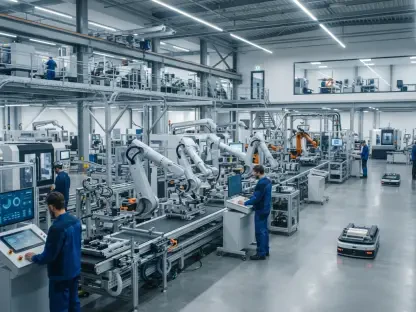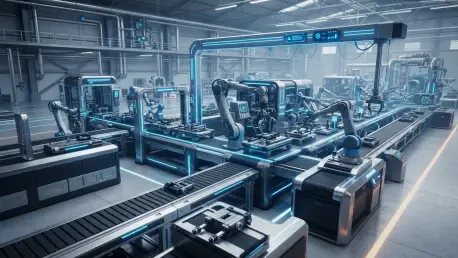

For automation to be sustainable, the industry must prioritize systems that are robust enough to withstand the rigors of industrial production while remaining flexible. Currently, the Australian manufacturing sector is entangled in a complex productivity paradox where substantial capital injections into modernization have failed to yield expected efficiency gains. This discrepancy stems from an environment where rising overhead costs and a severe shortage of skilled technical labor collide with aggressive international competition. While businesses are eager to modernize, the mere purchase of advanced machinery does not automatically translate to economic success. Instead, the solution lies in a strategic shift toward integrated systems that address specific operational bottlenecks rather than generic upgrades. The current landscape necessitates a deeper understanding of how specialized technology aligns with existing human workflows to create a cohesive production environment. By focusing on the intersection of technical innovation and practical application, manufacturers can finally unlock the latent value within their investments and begin reversing a decade of stagnant output.
Evolution of Industrial Robotics: Building Domestic Sovereignty
Looking back at the trajectory of industrial robotics in Australia reveals a shift from niche applications to essential infrastructure. In the late 1980s, robotic units were largely confined to high-volume automotive lines or specialized welding tasks where human labor was prohibitively expensive or dangerous. However, over the subsequent four decades, the technological scope broadened significantly to encompass high-precision tasks in pharmaceutical packaging, intricate healthcare logistics, and high-speed warehouse sorting. This evolution proves that the actual utility of robotics is not derived from the hardware alone but from the sophistication of its integration into a data-driven production ecosystem. Today, the focus has shifted toward creating systems that are not just repetitive but responsive to the changing needs of the market. This historical context provides a vital lesson for contemporary manufacturers: successful automation requires an understanding of the entire production flow rather than just the isolated task at hand.
The current trend toward consolidating domestic engineering and automation capabilities represents a strategic move to ensure sovereign industrial strength within the continent. By merging specialized automation firms with established Australian engineering entities, the industry is creating more resilient, locally-owned organizations capable of managing multi-million dollar projects. This structural synergy ensures that world-class technology is backed by local accountability and deep mechanical expertise, reducing the reliance on volatile international supply chains for critical maintenance. Sovereign capability is becoming a priority as manufacturers realize that long-distance support models are insufficient for high-uptime environments. When an automated system forms the backbone of a factory, having immediate access to local engineering talent is no longer a luxury but a survival requirement. This shift empowers the nation to maintain its industrial independence while fostering a specialized workforce capable of competing on a global stage through superior technical agility.
Lifecycle Support: Moving Beyond Traditional Procurement
Modern industrial strategy is rapidly moving away from a traditional vendor-client model toward a lifecycle support framework that emphasizes long-term partnerships. In the past, the procurement of a robotic system was often viewed as a singular transaction, leaving the manufacturer responsible for navigating the complexities of operation and repair. Today, the industry recognizes that the commissioning of an automated system is merely the beginning of its operational journey. For automation to effectively solve the productivity puzzle, it must be supported by a framework that ensures continuous functionality and optimization over many years. This approach prevents systems from becoming obsolete and ensures that initial capital expenditures continue to deliver value as production requirements change. Manufacturers now seek partners who are invested in the long-term success of the installation, offering a collaborative relationship that spans the entire life of the equipment. This shift ensures that technology remains a dynamic asset rather than a depreciating piece of hardware.
A key component of this lifecycle model is the establishment of robust local infrastructure, including comprehensive inventories for spare parts and national networks of technicians. High-speed manufacturing environments cannot afford prolonged downtime caused by shipping delays from overseas suppliers or the unavailability of specialized labor. By securing a partnership that provides immediate access to technical support and replacement components, businesses can mitigate the financial risks associated with equipment failure. This infrastructure allows for proactive maintenance and real-time troubleshooting, ensuring that automated lines operate at peak efficiency around the clock. Furthermore, ongoing optimization through regular software updates and mechanical adjustments allows the system to adapt to new product designs or shifts in material quality. This level of support transforms automation from a simple capital expense into a reliable, long-term operational asset that can grow alongside the company. The emphasis on local reliability ensures that the domestic manufacturing base remains competitive and resilient against global disruptions.
Advanced Intelligence: Integrating Vision and Learning
The next major frontier for the Australian industrial sector involves the deep integration of Artificial Intelligence and advanced machine learning into existing robotic systems. Unlike older generations of equipment that relied on rigid, pre-programmed logic, modern AI-driven robots possess sophisticated vision systems that allow them to interpret complex environments. These systems can identify variations in part placement, detect defects in real-time, and adjust their movements to accommodate irregularities in materials. For instance, the latest series of industrial robots can now handle tasks that previously required human intuition, such as sorting mixed materials or performing delicate assembly on variable components. This adaptability makes robotics significantly easier to deploy in facilities where product lines change frequently or where high-mix, low-volume production is the norm. By leveraging these intelligent features, manufacturers can reduce the time and cost associated with manual reprogramming, allowing for a much more agile response to shifting consumer demands and market trends.
Beyond mechanical flexibility, autonomous decision-making serves as a critical tool for bridging the widening skills gap within the technical workforce. As the availability of specialized operators remains low, intelligent systems can take over the burden of monitoring and fine-tuning production parameters. These robots analyze data from their sensors to improve their own performance over time, leading to higher precision and significantly reduced waste. This capability allows manufacturers to maintain high-quality output even when they lack a full staff of veteran technicians. Furthermore, the integration of AI simplifies the user interface, making it possible for less experienced workers to oversee complex automated cells safely and effectively. This democratization of high-end technology ensures that smaller enterprises can also benefit from advanced automation without needing an internal team of roboticists. Consequently, the focus is moving toward systems that are self-optimizing and capable of providing actionable insights into factory performance, thereby driving productivity from the ground up without increasing the human workload.
Industrial Realities: Navigating Humanoid Robotics
While the emergence of humanoid robotics has captured the public imagination, their practical application in an industrial setting requires a balanced and objective evaluation. These systems offer the theoretical benefit of high mobility and the ability to interact with factory layouts originally designed for human workers. By mimicking human form and movement, these robots could potentially navigate stairs, move through narrow corridors, and use tools without requiring extensive and expensive facility modifications. This flexibility is particularly appealing for older manufacturing sites where installing traditional, fixed robotic cells would be physically or financially impossible. However, the move from research labs to the factory floor involves overcoming significant engineering hurdles related to balance, energy efficiency, and sensory processing. As these technologies mature, they represent a potential bridge between manual labor and full-scale industrial automation, providing a versatile option for tasks that are too varied for traditional machines but too repetitive or strenuous for human operators to perform safely.
Despite the visual appeal and flexibility of humanoid designs, the decision to implement such futuristic technology must be grounded in the harsh realities of 24/7 industrial production. For a robotic system to be truly effective in solving the productivity paradox, it must meet rigorous standards for robustness, reliability, and ease of maintenance. Advanced technology is only beneficial if it can withstand the dust, heat, and mechanical stress of a heavy industrial environment without requiring constant specialized care. Manufacturers must weigh the lifecycle costs and operational value against the novelty of the hardware to ensure a genuine return on investment. Experience in system integration remains the deciding factor in whether these new forms provide an advantage or become expensive liabilities. Prioritizing proven engineering principles over aesthetic innovation ensures that the manufacturing sector invests in tools that deliver measurable results. Ultimately, the successful adoption of next-generation robotics depends on their ability to perform reliably under pressure while remaining simple enough for local teams to support and maintain over time.
Strategic Resilience: Building a Productive Future
Solving the productivity paradox requires a cohesive vision that blends cutting-edge innovation with traditional industrial values like reliability and local expertise. The success of the Australian manufacturing sector will not be determined by the volume of technology purchased, but by the intelligence with which that technology is integrated into the national economy. By fostering strong partnerships between automation specialists and local engineering firms, the industry can build a foundation of sovereign capability that withstands global economic shifts. This approach ensures that technical advancements in AI and robotics are grounded in practical, scalable applications that solve real-world labor and cost challenges. As manufacturers transition from transactional procurement to long-term asset management, they create a more stable environment for growth and innovation. The synergy between human expertise, strategic lifecycle support, and advanced machinery provides the necessary tools to overcome stagnant productivity and reclaim a competitive edge, ensuring the long-term health and resilience of the nation’s industrial base.
The transition toward highly integrated and intelligent automation systems marked a turning point for the domestic industry as it sought to resolve long-standing efficiency issues. Manufacturers moved beyond the simple acquisition of hardware and instead prioritized the creation of robust, local support networks that ensured the longevity of their technical investments. By embracing machine learning and autonomous decision-making, businesses successfully bridged the skills gap and increased their output despite a shrinking labor pool. Strategic partnerships with Australian-owned engineering firms provided the necessary mechanical expertise and lifecycle management to keep production lines moving with minimal disruption. The industry eventually realized that the value of automation was found in its ability to adapt to dynamic environments while being backed by accessible local technicians and spare parts. This comprehensive approach allowed the sector to move away from a period of stagnation and toward a model of sustainable, high-tech growth. These actions ultimately secured a more productive and resilient future for the manufacturing landscape through a disciplined focus on practical utility.