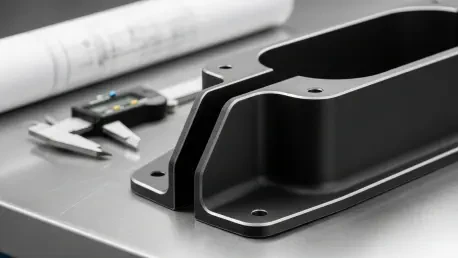

In the highly competitive world of modern manufacturing, achieving superior results with Computer Numerical Control (CNC) machining is not merely an advantage but a fundamental requirement for success. The process of transforming a digital design into a tangible, high-precision component involves a sophisticated dance between software, machinery, and raw materials, where even the smallest oversight can compromise the final product’s quality and integrity. While the automation of CNC machines suggests a simple “press and go” operation, the reality is far more nuanced. True optimization goes beyond the G-code, demanding a holistic understanding of how foundational choices in materials and tooling synergize to affect performance, and how meticulous finishing processes can elevate a part from functional to exceptional. This comprehensive approach is what separates standard output from industry-leading components, ensuring every project meets the highest standards of precision, efficiency, and durability. By carefully considering each stage of the workflow, manufacturers can unlock the full potential of their equipment and consistently deliver outstanding results.
1. Aligning Material Properties with Tooling Strategy
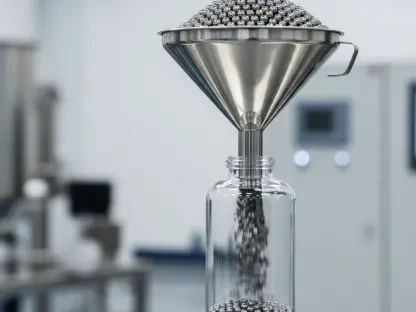
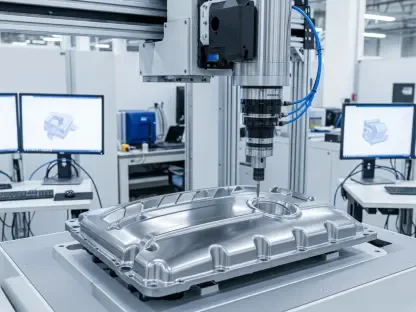
The journey to a perfectly machined part begins with the critical decision of material selection, as this choice dictates nearly every subsequent step in the process. Different materials exhibit unique behaviors under the stress of cutting, and understanding these characteristics is paramount. For example, soft metals like aluminum are known for their excellent machinability, allowing for higher cutting speeds and faster production cycles with less tool wear. In contrast, hard and durable materials such as stainless steel or titanium alloys present a greater challenge, requiring significantly slower machining speeds and more robust tooling to prevent rapid degradation of the cutting edge and potential damage to the machine’s spindle. The specific application of the final component must also be evaluated; its required strength, corrosion resistance, and operating environment all influence the ideal material. Once the material is chosen, selecting the appropriate tooling becomes the next logical imperative. Utilizing a tool designed for a different material, such as using an uncoated end mill meant for aluminum on a tough superalloy like Inconel, will inevitably lead to poor surface finishes, dimensional inaccuracies, and premature tool failure. Advanced tool coatings and specific geometries are engineered to handle the thermal and mechanical stresses of particular materials, ensuring longer tool life and superior performance.
2. Refining the Component Through Post-Processing
The final quality of a machined part was often determined in its finishing stages, where a series of post-processing techniques transformed it from a raw component into a polished, high-performance product. This crucial phase was not just about aesthetics; it directly enhanced the part’s functional properties, including its durability, resistance to corrosion, and overall longevity. The selection of a finishing process was carefully aligned with the part’s intended application. Simple but essential procedures like deburring removed sharp, unwanted edges left over from the machining process, which was vital for safety and proper assembly. For more advanced requirements, processes such as anodizing were applied to aluminum parts to create a hard, non-conductive, and corrosion-resistant ceramic layer, significantly improving their surface integrity. Similarly, powder coating offered a robust and decorative finish for steel components, providing a protective barrier against environmental factors. A well-executed finish was the final, critical step that added significant value, ensuring the component not only looked professional but also performed reliably under its designed operational conditions. This meticulous attention to the final touches completed the manufacturing cycle and cemented the product’s quality.